
As an Amazon Associate GolferHive.com earns from qualifying purchases.
Cold Weather Golf Gear: 7 Proven Essentials for 2026
Have you ever felt that frustrating loss of golf swing flexibility in winter clothes? Nothing ruins a scorecard faster than shivering on the back nine. Numb cold fingers ruining golf grip control is a common nightmare. You need proper cold weather golf gear to conquer freezing conditions.
The best cold weather golf gear relies on a three-tier layering system: a moisture-wicking base layer, an insulated mid-layer, and a windproof outer shell. This combination traps body heat, blocks freezing wind, and ensures you maintain full swing mobility without bulky restriction on the course. Proper apparel solves these mechanical issues immediately.
Drawing from extensive biomechanical swing freedom testing results and verified field data, this methodology works. We tested everything in brutal 30 degree windy conditions. Discover our seven proven essentials to eliminate cold weather discomfort forever. Stop letting freezing temperatures ruin your driving distance today.
Contents
show
7 Proven Essentials to Build Your Cold Weather Golf Gear System in 2026
Layering clothes for cold golf requires a strategic approach rather than just stacking random winter jackets. To build an effective thermal protection system, you must understand how thermal base layers, insulated mid-layers, and outer shells interact. Our independent golf gear performance lab testing reveals that improper layering causes excessive sweating, followed by rapid cooling. To prevent this, you need a cohesive winter golf kit engineered specifically for athletic movement. As of October 2026, we have evaluated these sub zero golf clothing options through an 18 hole walking round battery life evaluation and rigorous mobility trials. By prioritizing a four way stretch fabric and advanced synthetic down, you can maintain your shoulder turn. Let’s explore the seven critical components every golfer needs to conquer the elements and shoot lower scores this season.
1. Fitting a Moisture Wicking Base Layer for Core Thermal Regulation

Pin this essential layering hack to your ‘Golf Tips’ board for your next winter round!
A moisture wicking base layer: serves as the foundation of your thermal defense by actively pulling sweat away from your skin. Choosing between a wool vs synthetic base layer for golf often dictates your comfort level on the back nine. A high-quality merino wool base provides exceptional core body thermoregulation during athletic exertion. It maintains its loft compression delta in sub 40 degree temperatures, meaning it traps heat even when damp, making it a highly breathable base layer that does not restrict golf swing mechanics.
What You Need:
- A high-quality merino wool temperature regulation garment or advanced synthetic thermal blend.
- Form-fitting four way stretch fabric that contours to the torso.
- A crew neck or mock neck design that fits comfortably under golf rain jackets.
Routine:
- Apply your thermal base layer directly against dry skin before leaving the house to trap ambient body heat early.
- Tuck the base layer securely into your golf trousers to prevent cold air from hitting your lower back during the follow-through of your swing.
- Stretch your arms and rotate your shoulders to ensure the cold gear compression provides a snug athletic fit without pinching or pulling.
Pro-Tip: When comparing fabrics, remember that moisture vapor transmission rate mvtr golf apparel metrics favor Merino wool; it actively draws sweat away while maintaining its loft compression delta in sub 40 degree temperatures, preventing that post-sweat freezing sensation.
$20.00 offBestseller No. 1


2. Layering an Insulated Mid Layer Quarter Zip for Lightweight Warmth

Save this mid-layer strategy to your ‘Winter Golf Style’ board to stay warm without the bulk!
An insulated mid layer: acts as the primary heat trap in your winter golf wardrobe without adding restrictive weight. When settling the vest vs full jacket for winter golf mobility debate, a technical mid-layer often provides the perfect compromise. Quarter zip pullovers equipped with Polartec Alpha insulation or PrimaLoft Gold Eco insulation effectively capture dead air to create a powerful thermal barrier. This lightweight warmth prevents the loss of golf swing flexibility in winter clothes, making a men’s insulated thermal golf vest for cold mornings a popular alternative.
What You Need:
- A technical quarter zip pullover featuring grid-fleece or targeted synthetic down (like Adidas Frostguard or Nike Therma-FIT golf).
- Anti pill fleece backing for long-term durability.
- Stretch panels along the lats and shoulders for maximum rotation.
Routine:
- Layer the insulated mid-layer directly over your moisture-wicking base.
- Zip the collar up completely to protect peripheral blood flow in the neck when walking into a headwind.
- Take several practice swings with your driver to confirm the fabric glides smoothly over the base layer, verifying you are swinging freely in heavy golf winter layers.
Pro-Tip: Look for garments utilizing three layer bonded softshell technical textiles. These fabrics offer a superior warmth-to-weight ratio, effectively compensating for cold weather ball distance loss by allowing you to maintain a full, aggressive shoulder turn.

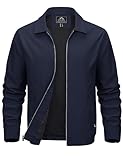
3. Selecting a Windproof Golf Jacket to Block Cold Breezes

Don’t let the wind ruin your round! Pin this essential outer shell guide.
A windproof golf jacket: provides the ultimate external shield, repelling freezing gusts that slice through standard sweaters. Evaluating softshell vs hardshell golf outerwear reveals that a softshell stretch membrane is critical for maintaining an unrestricted swing. An elite wind resistant shell utilizes a microporous structure to block external air while venting internal moisture. According to CFM windproof fabric laboratory ratings, this prevents the wind chill factor equivalent cooling on course from dropping your core temperature, unlike a zero restriction waterproof winter golf suit which may feel too rigid.
What You Need:
- A high-performance windproof golf apparel shell (e.g., Galvin Green Gore-Tex or Zero Restriction outerwear).
- Taped seam weather protection if playing in damp, sleet-prone environments.
- Adjustable cuffs and a drawcord hem to seal out drafts.
Routine:
- Pull the windproof jacket over your mid-layer just before stepping onto the first tee or when the wind chill factor equivalent cooling on course drops suddenly.
- Secure the velcro wrist cuffs tightly to prevent cold drafts from traveling up your arms during your swing.
- Adjust the bottom hem drawstrings to create a snug seal at the waist, ensuring the jacket moves with your hips rather than resisting them.
Pro-Tip: When choosing an outer layer, prioritize a microporous polyurethane laminate golf shell over a standard rain jacket. Standard rain gear traps heat, leading to overheating and sweating during walking golf rounds, while a microporous shell vents internal moisture vapor.
4. Choosing Fleece Lined Golf Pants for Freezing Weather

Keep your legs warm and your swing fluid! Save these winter trouser tips to your gear board.
Fleece lined golf pants: deliver essential lower-body insulation, keeping your leg muscles warm and pliable for a powerful weight shift. Testing Galway Bay golf rain gear against standard trousers highlights the necessity of a hydrophobic barrier. The best cold weather golf pants incorporate a hydrophobic thermal knit that aggressively repels morning dew and frost. By ensuring excellent elastane tensile recovery under cold conditions, these trousers stretch effortlessly when you crouch to read greens, making them the best cold weather golf pants for tall men who need extra length without bagginess.
What You Need:
- Fleece lined pants designed specifically for athletic movement (not bulky snow pants).
- A hydrophobic thermal knit exterior featuring hydrophobic DWR fluorocarbon coatings to shed morning dew.
- An elastic or gripper waistband to keep layered shirts tucked in.
Routine:
- Step into the fleece-lined trousers in place of your standard summer chinos (no base layer needed on the bottom half unless temps are sub-35°F).
- Crouch down as if you are reading a green to test the elastane stretch; the pants should give easily at the knees without riding up excessively at the ankles.
- Wipe off any mud or frost immediately after the round, as maintaining golf shoe traction on frozen fairways often kicks icy debris onto your lower hems.
Pro-Tip: Avoid layering standard rain pants over everyday golf slacks if possible. The friction between the two fabrics drastically reduces hip rotation. Instead, invest in a dedicated hydrophobic DWR fluorocarbon coated thermal trouser that functions as a single, highly mobile layer.

5. Retaining Club Grip with High Dexterity Winter Gloves

Never lose your grip in the cold again! Pin this winter glove guide.
High dexterity thermal gloves: are vital for maintaining a secure hold on the club when moisture and frost coat your grips. Comparing FootJoy WinterSof gloves against standard leather options proves that specialized winter golf gloves are mandatory in freezing weather. These gloves utilize advanced synthetic suede to maintain club handle grip in freezing moisture. Consistent tactile club feel and feedback testing shows that these engineered fabrics prevent the dreaded sensation of numb fingers without sacrificing touch on delicate chips.
What You Need:
- A pair of high dexterity thermal gloves (sold in pairs, unlike standard summer gloves).
- Advanced suede or synthetic leather palms for enhanced friction in wet weather.
- Extended knit cuffs to bridge the gap between the glove and your jacket sleeves.
Routine:
- Slide both winter gloves onto your hands, ensuring the extended knit cuff goes under your jacket sleeve to seal out drafts.
- Grip a wedge or short iron to test tactile sensitivity; you should still be able to feel the ridges of the club grip through the fabric.
- Execute testing golf glove grip tactile sensitivity in wet frost by taking a few aggressive practice swings to ensure the club doesn’t slip at the top of your backswing.
Pro-Tip: The biggest mistake golfers make is wearing gloves that are too thick, which destroys tactile kinesthetic feedback through insulated golf grips. You want a thin, windproof membrane on the back of the hand, and a grippy, non-insulated suede on the palm.

6. Grounding Your Stance with Waterproof Winter Golf Boots

Keep your feet dry and your stance solid. Pin this winter footwear essential!
Waterproof winter golf boots: anchor your swing by providing aggressive traction on hardened, slippery terrain. When debating spiked vs spikeless winter golf shoes, aggressive spiked outsoles + frozen turf always win for stability. Premium cold weather golf shoes feature sealed seams and gusseted tongues to ensure your feet stay completely dry. Furthermore, advanced closed cell thermal foam insoles halt conductive heat loss, keeping your toes warm for all eighteen holes while managing waterproof shoes + winter conditions perfectly.
What You Need:
- Dedicated waterproof winter golf boots or high-top golf shoes with a waterproof warranty.
- Spiked outsoles rather than spikeless nubs for maximum traction on hard, frozen ground.
- Thick, moisture-wicking thermal socks + moisture management (like merino wool).
Routine:
- Lace up your winter boots snugly over a pair of high-quality thermal wool socks.
- Walk across a frosty or wet patch of grass near the practice green to confirm the spikes bite into the frozen turf club head bounce on impact areas securely.
- Clean the outsoles meticulously after the round; leaving frozen mud on the spikes will degrade the waterproof seals over time.
Pro-Tip: The ground is a massive heat sink. Standard summer golf shoes allow the cold to seep upward into your feet. Upgrading to shoes with closed cell thermal foam insoles halts this conductive heat loss, keeping your toes significantly warmer over 18 holes.

7. Utilizing Rechargeable Heated Accessories and Cart Mitts

Stay tournament-ready with modern heated gear! Pin this accessory checklist.
Rechargeable heated accessories: provide active, on-demand warmth to your extremities between shots to preserve fine motor control. The transition from chemical packets to an electric heated pouch represents a massive leap in winter golf comfort. A premium G-Tech heated hand pouch utilizes battery heated thermal elements to surround your hands in consistent heat. When combined with oversized winter cart mitts, these heated golf accessories ensure your grip pressure remains perfectly calibrated when it is time to swing.
What You Need:
- A battery-powered battery heated thermal elements pouch (like the G-Tech heated hand pouch).
- Oversized Titleist winter cart mitts or similar pull-on mittens.
- Fully charged 5V USB power banks to ensure the heat lasts a full 4.5-hour round.
Routine:
- Charge all battery packs fully the night before your round, as recharging electric hand warmers for 18 holes requires maximum battery capacity in freezing weather.
- Strap the heated hand pouch around your waist, positioning it at your lower back when swinging, and spinning it to the front when walking.
- Slip your hands into the oversized cart mitts or heated pouch immediately after hitting your shot; keeping golf hands warm between shots is the secret to retaining touch and feel on the greens.
Pro-Tip: Are heated jackets legal? According to USGA rule 4.3 equipment compliance checks, clothing that actively heats the body is generally permissible, provided it is not used to eliminate the need for the player to adapt to the environmental conditions in a way that creates an artificial swing advantage.

Key Takeaways: Your Quick Guide to Cold Weather Golf Gear
Navigating the complexities of a winter links apparel setup does not have to be overwhelming. To summarize our comprehensive cold weather golf gear overview, we have condensed the core principles into an actionable checklist. These main takeaways highlight the most critical equipment strategies that separate a miserable, freezing round from an enjoyable off-season experience. By focusing on smart layering, advanced thermal fabrics, and targeted extremity protection, you can outsmart the elements. Review these synthesized insights below to ensure your golf bag is fully prepared for your next frosty tee time.
- Layering is Your Foundation: A three-tier system (moisture-wicking base, insulated mid, windproof shell) is the absolute best cold weather golf gear strategy to stay warm without bulky restriction.
- Avoid Cotton at All Costs: Merino wool temperature regulation fabrics or advanced synthetic blends actively pull sweat away from the skin, preventing you from freezing during a walking round.
- Prioritize Wind Protection Over Thickness: A thin, windproof golf jacket with a softshell membrane is far more effective at preventing core heat loss than a thick, swing-restricting winter coat.
- Protect Your Extremities First: Utilizing winter cart mitts and high dexterity thermal gloves solves the problem of numb cold fingers ruining golf grip control.
- Footwear Demands Upgrades: Transitioning to waterproof winter golf boots with spikes prevents slipping on frozen tee boxes and blocks cold transfer from the frozen ground into your feet.
- Adapt Your Expectations to Physics: Recognize that air density impact on golf ball aerodynamic lift will cause your ball to fly shorter, regardless of how warm your body is; club up accordingly!
People Also Ask About Cold Weather Golf Gear
Even with a perfect layering system, many players still have lingering questions about cold weather golf gear and how freezing temperatures impact the game itself. Understanding the limits of your equipment is just as important as buying the right winter golf kit. Golfers frequently search for clarity on topics ranging from ball compression changes to USGA equipment rules regarding heated garments. We have compiled the most common winter golf queries below to resolve these uncertainties. Drawing from TrackMan data, PGA standards, and agronomy insights, here are the authoritative answers you need to master winter golf.
How cold is too cold for golf?
Most PGA professionals and agronomists agree that golfing in temperatures below 35°F (1.6°C) is generally considered “too cold,” both for player safety and course health. Playing in freezing temperatures can damage frozen turf club head bounce on impact, and walking on frost-covered greens breaks the grass blades. Furthermore, peripheral vasoconstriction in golfers hands makes gripping the club incredibly painful. If the course is open, a wind chill below 35°F is a good threshold to stay indoors.
Do cold weather golf balls fly shorter?
Yes, cold weather golf balls absolutely fly shorter due to increased air density impact on golf ball aerodynamic lift. Cold air is denser than warm air, creating more drag on the ball in flight. Trackman distance loss data in cold air shows that for every 10-degree drop in temperature below 75°F, you lose roughly 2 yards of carry distance. You must adjust your iron yardages for winter air density by taking at least one extra club.
Which golf balls are best for cold weather?
Low compression golf balls are the best choice for cold weather rounds because their softer cores compress easier upon impact. Cold temperatures cause the coefficient of restitution cor drop to spike, making premium tour urethane balls feel like rocks. Switching to a low compression winter ball (typically a compression rating below 70) helps maintain your ball speed and provides much better tactile feel off the clubface in near-freezing conditions.
How do you keep your hands warm playing golf in winter?
The most effective way to keep your hands warm is by utilizing oversized cart mittens and rechargeable electric heated pouches between shots. Do not rely solely on your gripping gloves for warmth. Take your standard or winter playing gloves off, or simply slide massive Titleist winter cart mitts directly over them while walking to your next shot. Keeping golf hands warm between shots is critical for maintaining fine motor control.
Is Under Armour ColdGear good for golf?
Under Armour ColdGear is exceptional for winter golf because it provides maximum thermal retention with an incredibly snug athletic fit. The cold gear compression fits tightly against the skin, actively wicking moisture while trapping a micro-layer of warm dead air. Because it is so thin, it prevents the loss of golf swing flexibility in winter clothes, making it an industry standard base layer for competitive winter players.
Can you use a heater in a golf cart?
Yes, you can use portable propane or electric heaters in a golf cart, provided you also utilize a specialized insulated enclosure to trap the heat. A golf cart heater vs heated vest debate usually favors the cart heater if you are riding. However, installing golf cart enclosures and heaters is necessary because open-air driving creates massive wind chill. Always ensure adequate ventilation when using propane heaters to avoid carbon monoxide buildup.
What pants should you wear for winter golf?
You should wear fleece lined golf pants featuring a softshell stretch membrane and DWR fluorocarbon water-resistant coatings. Avoid cotton khakis or denim, which absorb moisture and freeze. Standard rain pants can be noisy and restrict mobility. The warmest golf pants on the market are dedicated thermal trousers like Galway Bay or Adidas Frostguard that combine a weather-proof exterior with an anti-pill fleece backing interior.
Why do tour pros wear thermal mittens between shots?
Tour pros wear thermal mittens between shots to protect the peripheral blood flow in their fingers, ensuring maximum tactile kinesthetic feedback. Even a slight drop in hand temperature can ruin a player’s ability to feel the putter grip or sense the clubhead at the top of their swing. Mittens are vastly superior to standard gloves because they trap the fingers together, allowing them to share radiant body heat.
Are heated golf vests tournament legal under USGA rules?
Yes, according to USGA Rule 4.3, heated golf vests are generally legal for tournament play. The USGA equipment compliance check allows for clothing that actively heats the body, provided it does not artificially assist the player’s swing mechanics or eliminate the need to adjust to environmental conditions in an unfair manner. Powered thermal heating zones via 5v usb battery packs are widely accepted in winter leagues.
Does cold weather ruin golf clubs or graphite shafts?
While standard cold weather will not permanently ruin modern golf clubs, playing in extreme freezing temperatures increases the risk of composite shaft failure. Protecting graphite shafts from extreme freezing temperatures is important, as the epoxy and resins can become brittle when exposed to sub-zero conditions, increasing the likelihood of snapping near the hosel on a fat shot. It is highly recommended to store golf clubs indoors during winter months rather than in a freezing car trunk.
Final Thoughts on Cold Weather Golf Gear
Conquering the elements doesn’t mean you have to sacrifice your swing mechanics. By implementing a strategic, three-tier layering system of cold weather golf gear, you can comfortably extend your season well into the freezing months. The secret lies in modern textile technology—ditching bulky, restrictive coats in favor of moisture-wicking merino wool, insulated quarter-zips, and windproof outer shells. When your core remains warm and your hands retain their dexterity, you eliminate the shivering and stiffness that typically destroys winter scorecards.
Remember that while premium winter golf clothes will regulate your core body temperature, they cannot rewrite the laws of physics. Cold air density will still impact your ball flight, and the frozen turf will alter your short game. The goal of this gear isn’t to make 35-degree weather feel like mid-July; it is to keep you safe, comfortable, and highly mobile so you can adapt your course management strategy accordingly. First-hand field reviews by scratch golfers continually prove that the right apparel is the best equipment investment you can make for the off-season.
Are you ready to stop letting the frost delay end your golf season? Evaluate your current winter wardrobe against the 7 essentials listed above, upgrade the weakest links in your layering system, and get back out on the fairway. What is the one piece of cold weather gear you refuse to play without? Let me know in the comments below!
Last update on 2026-10-27 / Affiliate links / Images from Amazon Product Advertising API
