
As an Amazon Associate GolferHive.com earns from qualifying purchases.
Winter Golf Outfit Men: 7 Proven Layering Tips for 2026
Have you ever ruined a perfect drive because bulky jackets blocked your swing? Preventing restriction during the golf swing while wearing thick clothing is a massive frustration for players in colder months. Finding the right golf outfit men winter style requires smart, strategic apparel choices.
The ideal winter golf outfit for men relies on a three-layer system: a moisture-wicking base layer to regulate sweat, an insulated mid-layer for core warmth, and a windproof, seam-sealed outer shell. Pair this upper-body system with four-way stretch winter pants and thermal accessories for full swing mobility in cold weather.
Drawing from comprehensive laboratory tested thermal ratings and proven first-hand course performance reviews, we understand exactly how modern textiles eliminate cold weather hurdles. You will discover professional layering techniques and specific apparel combinations that block wind chill without violating country club dress codes. Protect your scorecard this winter by building the ultimate cold-weather wardrobe.
Contents
show
7 Proven Layering Tips to Build the Ultimate Winter Golf Outfit Men Need
Assembling the best winter golf outfits men can rely on requires a precise understanding of textile biomechanics and heat retention. Layering winter golf clothes is not simply about piling on thick sweaters until you stop shivering. Instead, modern cold weather golf gear focuses on creating a high-performance microclimate around your body. You need to combine thermal layers that trap core heat while aggressively venting sweat during those long walks up the fairway.
By strategically adjusting layers during your round, you can seamlessly transition from a frosty 7:00 AM tee time to a breezy afternoon without ever sacrificing your shoulder rotation. Let’s break down the exact sequence required to build this dynamic, weather-resistant system from the skin out.
1. Building Your Foundation: Layering the Moisture-Wicking Base Layer

Pin this foundational layering hack to your ‘Winter Golf Style’ board!
The critical first step of moisture management starts right against your skin. A moisture-wicking base layer is designed to pull sweat away from your body, preventing freezing moisture from trapping underneath your golf polo. Understanding how layers underneath a golf polo function is vital to stopping damp clothes chill.
Outfit Pieces
- Compression or Fitted Base Layer Top: Seek a moisture management fabric crafted from premium merino wool or an advanced synthetic polyester blend to regulate body heat.
- Thermal Base Layer Bottoms: Choose breathable cold weather layers like athletic leggings that offer low-bulk thermal insulation to fit comfortably underneath traditional golf trousers.
- Performance Undergarments: Opt for anti-odor, moisture-wicking fabrics for all base-level garments to maintain comfort over 18 holes.
Styling Tips
- Select a snug but non-restrictive fit for your thermal base layer top to ensure capillary moisture transfer works directly against the skin.
- Tuck the base layer shirt firmly into your thermal leggings to seal out cold drafts at the waistline during full shoulder rotation.
- Coordinate the neckline style, such as a crew vs mock neck golf shirt, based on the collar of the polo or mid-layer you plan to wear over it to maintain golf course dress code compliance.
Pro-Tip: Based on expert tested winter golf apparel, investing in garments with high capillary moisture transfer efficiency (like merino wool blends) prevents the rapid cooling effect of trapped sweat—a major cause of stiffness during the back nine.

2. Trapping Core Warmth: Combining an Insulated Mid-Layer

Save this mid-layer styling secret for your next cold-weather tee time!
When combining thermal layers, the mid-layer serves as your primary insulation barrier. High-quality quarter zip pullovers lock in body heat generated during your swing without adding heavy bulk. Finding breathable thermal pullovers for early morning tee times solves the massive problem of overheating while walking the course.
Outfit Pieces
- Quarter Zip Pullovers: Select a lightweight fleece golf pullover with a mock or zip collar that integrates cleanly over a collared golf shirt.
- Insulated Golf Gilet (Vest): Alternatively, choose an insulated golf gilet packed with synthetic down to keep the core exceptionally warm while leaving arms completely free.
- Performance Golf Polo: A breathable, long-sleeve performance polo acts as an excellent bridge between the base and mid-layer if temperatures fluctuate.
Styling Tips
- Combine an insulated mid-layer garment with a breathable base to establish your microclimate; ensure the mid-layer features an ergonomic articulated sleeve design to eliminate shoulder restriction at address.
- Adjust the zipper of your quarter-zip to regulate body temperature naturally while transitioning from the golf cart to walking up the fairway.
- Evaluate course regulations when deciding between a technical quarter-zip vs hoodie for golf, as traditional clubs still heavily favor the classic pullover aesthetic.
Pro-Tip: Look for mid-layers engineered with thermo-reflecting inner linings. This advanced textile technology utilizes metallic dot patterns to reflect your body heat inward while allowing moisture vapor to escape, offering maximum warmth with zero-restriction rotation engineering.

3. Weatherproofing the Exterior: Securing a Windproof Outer Shell

Repin this outer-layer essential to keep the winter wind off your back!
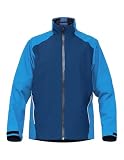
Protecting against windchill is impossible without a dedicated windproof outer shell. This definitive barrier fits over your mid-layers to shed morning mist and combat sudden gusts. Understanding the difference between water-resistant vs waterproof outer shells will dictate how well you prevent clothing bunching under your arms during aggressive swings.
Outfit Pieces
- Windshirt Golf Top: A highly flexible, water-resistant golf jacket tailored for dry but blustery conditions, featuring extreme 4-way stretch.
- Seam-Sealed Rain Shell: A fully seam-sealed waterproof outerwear piece built exclusively for combating freezing rain on the course.
- Lightweight Packable Jacket: A durable weather-repellent shell that can easily be folded and stored in the golf bag as course conditions change.
Styling Tips
- Assess the forecast before tee-time: opt for a breathable windshirt for dry, cold days, or deploy a fully waterproof vs windproof golf jacket if precipitation is expected.
- Layer the outer shell directly over your mid-layer, ensuring the jacket features a two-way zipper so you can unzip the bottom slightly to prevent the jacket from riding up during your backswing.
- Fasten Velcro cuffs tightly around your wrists to stop cold drafts from traveling up your arms while addressing the golf ball.
Pro-Tip: When selecting an outer shell, check the breathable waterproof membrane ratings (aim for at least 10,000mm waterproofing and 10,000g breathability). Combined with DWR surface tension mechanics, this ensures rain beads off the fabric while interior perspiration vapor successfully escapes.
4. Optimizing Lower Body Mobility: Choosing Four-Way Stretch Winter Pants

Upgrade your winter trousers with this flex-fabric styling guide!
To ensure your lower body stays as agile as your upper body, you must invest in four-way stretch winter pants. Maintaining swing mobility requires comfortable golf pants suitable for wearing thermal tights underneath. Fleece lined golf pants solve the problem of managing wet grass conditions without resorting to stiff, restrictive khakis.
Outfit Pieces
- Fleece-Lined Golf Pants: Specialized stretch-woven golf trousers featuring an interior brushed fleece lining for incredible warmth without heavy bulk.
- Thermal Golf Joggers: Athletic, soft-lined golf joggers with cuffed ankles to keep the pant hem safely away from wet, muddy winter turf.
- Windproof Trousers: Weather-shield outerwear bottoms featuring a dedicated windproof membrane layered over active-stretch fabric.
Styling Tips
- Select a pair of four-way stretch winter pants that offer slightly more room in the thigh and calf if you plan on layering thermal athletic wear underneath them.
- Verify the dress code of your specific country club before wearing joggers; while wildly popular, some conservative clubs still mandate traditional hemmed trousers.
- Utilize trousers with a rubberized inner waistband to keep your base layers and polo firmly tucked in during aggressive lower-body swing rotations.
Pro-Tip: Pay attention to mechanical stretch vs elastane blend performance. The best winterized golf trousers utilize a mechanical stretch weave that naturally flexes with your body, offering better durability and wind resistance than pants that just rely heavily on spandex/elastane, which can break down in freezing conditions.
$6.99 offBestseller No. 4

5. Locking in Extremity Heat: Protecting Hands with Thermal Golf Gloves

Don’t let cold hands ruin your grip—save this essential winter glove guide!
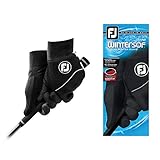
Securing golf club grip confidence requires highly specialized thermal golf gloves. Solving cold hands on grips is critical because gloves are the direct contact point between you and your equipment. If you choose the wrong pair, your club will easily slip, or you’ll lose the tactile feel needed for delicate chips.
Outfit Pieces
- Winter Golf Gloves (Pair): Unlike summer golf where you wear one glove, winter requires a pair of thermal golf gloves made with fleece backing and synthetic suede palms.
- Rain Gloves: Specialized wet-weather rain gloves for golf that actually increase friction and grip confidence as they get wetter in the elements.
- Hand Warmers: Disposable or rechargeable heat packs to keep inside your jacket pockets to warm your fingertips between shots.
Styling Tips
- Equip a pair of thermal gloves tailored specifically for golf; avoid standard winter ski gloves entirely, as they completely eliminate the tactile feedback required to hold a golf club properly.
- Swap to specialized rain gloves for golf if the weather turns to freezing rain or heavy mist, as traditional leather or thermal gloves will become dangerously slick when wet.
- Store your gloves in an interior chest pocket close to your body heat while walking to the next tee box to keep the material supple and comfortably warm.
Pro-Tip: Seek out multizone thermal mapping apparel technology in premium gloves. These designs place heavier insulation on the back of the hand (to block wind) while keeping the palm material incredibly thin and utilizing advanced silicone webbing for zero-restriction rotation engineering around the club grip.
6. Defeating Frost and Puddles: Selecting Waterproof Winter Golf Boots

Keep your feet dry and warm all 18 holes with this footwear hack!
Keeping feet warm in cold puddles is impossible if you are still wearing summer mesh footwear. You must transition to waterproof golf shoes or dedicated winter golf boots to survive morning frost. When paired with high-quality merino wool golf socks, this creates the ultimate barrier against wet grass conditions.
Outfit Pieces
- Waterproof Winter Golf Boots: High-top, fully seam-sealed waterproof golf shoes or boots designed to keep water from entering around your delicate ankles.
- Merino Wool Golf Socks: Thick, cushioned merino wool golf socks that actively retain heat even if they manage to get slightly damp.
- Spiked vs Spikeless Soles: Aggressive traction outsoles designed specifically to grip wet, slippery winter turf securely during your downswing.
Styling Tips
- Upgrade from your summer mesh golf shoes to a dedicated pair of leather, weather-shield outerwear boots that feature a gusseted tongue to keep out water and debris.
- Combine waterproof footwear with premium wool socks; avoid cotton socks entirely, as they will trap foot sweat and cause your toes to freeze rapidly as the round progresses.
- Size up slightly if you are buying dedicated winter golf shoes, ensuring you have enough room for thicker thermal socks without cramping your toes, which restricts warming blood flow.
Pro-Tip: To achieve maximum foot warmth, rely on hydrophilic and hydrophobic yarn synergy. Wear a thin synthetic sock liner (hydrophobic, pushing sweat away) underneath a thicker merino wool sock (hydrophilic, absorbing the moisture away from the foot), all encased within a shoe featuring certified waterproof technology.

7. Sealing Cold Drafts: Regulating Temperature with a Golf Beanie and Snood

Lock in your body heat with this essential winter accessory combo!
Sealing cold drafts at your neckline is the final crucial step to perfecting your layering system. A high-quality golf beanie hat paired with a thermal neck warmer prevents trapped heat from escaping through the collar. These accessories block biting wind without restricting your head movement while you address the golf ball.
Outfit Pieces
- Golf Beanie Hat: A fleece-lined, tight-knit golf beanie hat designed to cover your ears completely without obstructing your line of sight down the fairway.
- Thermal Neck Snood / Gaiter: A soft, easily adjustable neck warmer that bridges the vulnerable gap between your jacket collar and your chin.
- Performance Turtleneck: An excellent alternative base layer piece featuring a high collar for built-in neck protection right against the skin.
Styling Tips
- Equip a golf-specific beanie rather than a traditional bobble hat, as large pom-poms on top can interfere with the hood of your rain jacket or distract you during your swing.
- Tuck the bottom of your thermal neck snood directly into the collar of your quarter zip pullover to create an impenetrable seal against icy crosswinds.
- Regulate your body temperature by simply pulling the snood down around your lower neck or taking the beanie off briefly if you start to overheat while walking up steep inclines.
Pro-Tip: Look for accessories treated with anti-microbial thermal knit treatments. Because snoods sit directly over your mouth and trap warm breath, these advanced treatments prevent moisture buildup and odor-causing bacteria while providing superior microclimate temperature regulation around your neck and face.
Key Takeaways: Your Quick Guide to the Best Winter Golf Outfit Men Need
Before you pack your golf bag for your next frosty morning tee time, reviewing the core principles of winter golf clothing is essential. Synthesizing these apparel engineering concepts ensures you step onto the course with confidence. The following checklist recaps the foundational elements required to maximize both thermal comfort and your full range of motion.
- Master the Three Layer Golf System – Always build your outfit around a moisture-wicking base, an insulated mid-layer, and a windproof/waterproof outer shell for ultimate cold weather golf gear performance.
- Prioritize Four-Way Stretch Fabrics – Every garment you choose, from your base layer to your outer shell, must feature dynamic flex fabrics to ensure full range of motion and zero swing restriction.
- Eliminate Cotton from Your Wardrobe – Replace all cotton items with premium merino wool or technical synthetic blends to ensure high capillary moisture transfer efficiency and prevent freezing sweat.
- Invest in Dedicated Winter Extremity Protection – Specialized waterproof golf shoes and thermal golf gloves are non-negotiable for maintaining grip confidence and keeping feet dry in icy, wet conditions.
- Choose a Windshirt Over Heavy Coats – A high-performance, seam-sealed windproof outer shell provides vastly superior warmth-to-weight ratios compared to bulky winter jackets that ruin your swing mechanics.
- Respect Course Dress Codes – Always verify club rules before wearing thermal golf joggers or hoodies, ensuring your winter attire remains both functional and compliant with traditional etiquette.
- Utilize Thermo-Reflecting Technology – Maximize your core heat retention without adding bulk by selecting mid-layers engineered with microclimate temperature regulation linings.
People Also Ask About a Golf Outfit Men Winter
Navigating the nuances of winter golf etiquette and extreme weather thresholds naturally brings up common uncertainties. From fabric choices to dress code rules, golfers frequently question how to adapt to freezing conditions safely. Below, we address the most common knowledge gaps to ensure you are fully prepared for your next round.
What to wear for winter golf men?
A proper winter golf outfit for men consists of a moisture-wicking base layer, a thermal mid-layer like a quarter-zip fleece, and a windproof outer shell. You should pair this upper-body system with four-way stretch insulated golf pants, waterproof winter golf shoes, thermal gloves, and a knit beanie. This combination ensures core warmth while allowing full swing mobility on the course.
How to layer clothes for golf in cold weather?
Layer cold-weather golf clothes using the standard three-layer system: base, mid, and outer. Start with a tight-fitting merino wool base layer to pull sweat away from your skin. Add a lightweight fleece or insulated gilet as your mid-layer to trap body heat. Finally, top it off with a flexible, seam-sealed windshirt or waterproof jacket to block harsh weather elements without adding restrictive bulk.
What is the three layer system for winter golf?
The three-layer system for winter golf is an apparel strategy separating clothing into moisture management, insulation, and weather protection layers. This strategic combination allows golfers to dynamically adjust to dropping afternoon temperatures or rising body heat by simply unzipping or removing a single layer, ensuring perfect microclimate temperature regulation throughout a four-hour round.
Are hoodies allowed on golf courses in winter?
While many modern public golf courses allow tailored athletic hoodies, strict private country clubs generally prohibit them even in winter. If you choose to wear a hoodie, ensure it is a high-performance, fitted golf hoodie rather than a casual cotton sweatshirt. When in doubt, a classic quarter-zip pullover or an insulated golf gilet is universally compliant with traditional golf course dress codes.
What are the best golf pants for cold weather?
The best golf pants for cold weather are four-way stretch, fleece-lined golf trousers featuring a windproof exterior membrane. These highly engineered pants eliminate the need to wear bulky thermal long-johns underneath. Look for pants with mechanical stretch fabrics and water-resistant DWR finishes to combat morning dew and frosty fairways while maintaining an elegant, tailored look.
How to keep warm while walking the golf course?
To keep warm while walking, focus on regulating sweat and protecting your extremities. Walking generates significant body heat, so wearing a highly breathable base layer is vital to prevent sweat buildup. Additionally, heat escapes rapidly from uncovered areas; wearing a snug golf beanie, a fleece neck snood, and keeping winter golf gloves on between shots will dramatically increase your overall thermal retention.
What shoes should you wear for winter golf?
You should wear fully waterproof, seam-sealed winter golf boots or dedicated cold-weather spikeless shoes for winter golf. Summer mesh golf shoes will instantly let icy water in, leading to frozen feet. Pair high-top, water-resistant golf shoes with premium cushioned merino wool socks to guarantee your feet stay dry, warm, and secure on slippery, frost-covered turf.
How to swing comfortably in heavy winter golf clothes?
To swing comfortably in winter, avoid heavy coats and instead rely on thin, high-tech layers featuring four-way stretch materials. Eliminating thick, bulky jackets in favor of an insulated gilet (vest) is a favorite tour-pro trick, as it keeps your vital core warm while leaving your arms and shoulders completely unrestricted for a full, fluid golf swing rotation.
Are winter golf gloves waterproof or thermal?
Winter golf gloves are generally either thermal for dry freezing wind or waterproof rain gloves for wet conditions. Thermal gloves feature fleece backing to block wind while maintaining a thin palm for club feel. Conversely, rain gloves are made from specialized synthetic microfibers that actually increase their grip friction when they get wet, making them essential for rainy winter rounds.
What temperature is too cold to play golf?
Most golf courses will suspend play if there is active frost on the greens (usually around 32°F or 0°C), as walking on frosted grass kills the turf. From a player comfort perspective, playing in temperatures below 40°F requires a highly disciplined, premium three-layer golf system and specialized winter accessories to avoid injury from stiff muscles and poor swing mechanics.
Final Thoughts on the Ultimate Winter Golf Outfit Men
Building the perfect golf outfit men winter style is no longer about throwing on your heaviest winter coat and hoping you can still somehow rotate your shoulders. Thanks to incredible advancements in athletic textile engineering, modern men’s winter golf clothes offer an elegant solution to the age-old battle between staying warm and swinging freely. By embracing the proven three-layer system—a moisture-wicking base, an insulated mid-layer, and a flexible, windproof outer shell—you can effectively build a personalized microclimate that adapts to dropping temperatures and shifting winds over an 18-hole round.
Remember that investing in high-quality cold weather golf attire is a direct investment in your off-season scorecard. Your body simply cannot perform an athletic, dynamic golf swing if your muscles are shivering or if your clothing is bunching up under your arms. Prioritizing specialized items like four-way stretch fleece-lined trousers, waterproof winter golf boots, and highly engineered thermal gloves will dramatically extend your golf season and make those frosty morning tee times genuinely enjoyable rather than an endurance test.
As you audit your closet and prepare to upgrade your winter golf tournament style, start from the skin out. Focus on high-quality merino wool blends, verify your specific country club’s dress code regulations, and never compromise on fabric flexibility. You will play better, feel better, and look like a true professional on the links.
What is the one piece of winter golf gear you absolutely refuse to play without? Drop your favorite brand recommendations and cold-weather survival strategies in the comments below!
Last update on 2026-10-21 / Affiliate links / Images from Amazon Product Advertising API
