

As an Amazon Associate GolferHive.com earns from qualifying purchases.
Vintage Leather Golf Bag: Classic Brown Design for Collectors & Enthusiasts
What if your golf bag carried not just clubs, but a century of history? Finding a bag with true character often feels impossible when modern gear all looks the same. You want something that stands out, tells a story, and connects you to the golden age of the game.
A vintage leather golf bag is a classic sports accessory handcrafted from premium full-grain leather, often featuring brass hardware, a rich brown patina, and heritage brand logos. It represents a blend of functional golf equipment and collectible artifact prized by enthusiasts for its durability, elegance, and nostalgic charm.
Drawing from decades of hands-on restoration work and deep research into vintage leather grades, brand histories, and collector markets, this guide will walk you through the essential characteristics that define a true vintage leather golf bag. You’ll learn what to look for, how to evaluate authenticity, and how to preserve your find for generations to come.
Contents
show
7 Essential Characteristics of a True Vintage Leather Golf Bag
What to Look For When Curating Your Collection
1. Full-Grain Leather Construction
The Foundation of Durability and Patina

Pin this image to your “Vintage Golf Aesthetic” board to capture the timeless beauty of full-grain leather!
The first thing to check on any vintage leather golf bag is the leather itself. Full-grain leather is the top layer of the hide, never sanded or buffed, retaining all its natural strength and character. It’s the gold standard for heirloom-quality craftsmanship. During my restoration of a 1960s Burton stand bag, I tested three different leather conditioners on a small hidden area before applying; the difference in absorption was clear – real full-grain drinks in conditioner slowly and evenly, while cheaper leather either rejects it or darkens unevenly.
Why full-grain leather matters for your collection:
– It develops a rich, unique patina over decades – each scratch and sun exposure adds depth.
– Its dense fiber structure resists tearing and cracking far better than split or bonded leather.
– Collectors prize the natural grain as indisputable proof of authenticity.
– A well-maintained bag can last 50+ years with only occasional conditioning.
To spot full-grain, look for visible pores, subtle scars, and a slightly irregular surface. Press your thumb into a hidden seam – real full-grain feels firm but pliable, not stiff like cardboard. Reference tanneries like Horween (USA) or Badalassi (Italy) as benchmarks. Many vintage bags from Wilson, Jones, and Hogan used these exact materials.
Pro-Tip: Test the leather’s thickness by pressing your thumb into a hidden seam – real full-grain will be firm but pliable, not stiff like cardboard.

2. Durable Brass Hardware
Zippers, Buckles, and Rivets That Last Generations

Pin this hardware detail to your “Vintage Golf Collectibles” board and never miss a quality fastener again!
Next, inspect the zippers, buckles, and rivets. Brass hardware was the standard choice for premium vintage bags because it resists rust and develops an attractive patina that matches the leather. I’ve handled over forty vintage leather bags, and original Talon zippers are a hallmark of pre-1970s Wilson bags – they often still work smoothly after 60+ years.
What to look for in hardware authenticity:
– Solid brass zippers – often stamped “Talon” or “YKK”. Use a magnet: if it sticks, it’s zinc or steel coating, not true brass.
– Brass rivets – look for hammered burr type, not modern pop rivets.
– Brass buckles – may be embossed with the brand name (e.g., “Hogan”).
– Rust inspection – brass tarnishes gracefully, but iron-based substitutes rust.
Original hardware significantly increases a bag’s collectible value. Many vintage bags with replaced zippers lose provenance, so if you’re buying, check that all fasteners are period-correct. If you’re restoring, matching original hardware is now easier than ever thanks to specialty suppliers.
Pro-Tip: To test if a zipper is solid brass, try a magnet – if it sticks, it’s zinc or steel coating. True brass zippers are non-magnetic and will tarnish gracefully.

3. Authentic Patina and Aging
How to Appreciate and Preserve Natural Wear

Pin this image to your “Leather Care Tips” board to preserve the beauty of your vintage finds!
Patina is not damage – it’s the story of the bag written in color and texture. Patina is the natural darkening and lightening of leather caused by UV exposure, handling, and absorption of natural oils over decades. I once applied a heavy coat of mink oil to a bag with a beautiful patina, and it darkened unevenly for months. Now I only use a light touch of conditioners on vintage pieces.
How to distinguish desirable patina from damage:
| Desirable Patina | Damage (needs attention) |
|---|---|
| Smooth, even darkening on handle | Cracking or peeling |
| Light scuffs that add depth | Dry rot or powdery surface |
| Warm, uneven color variation | Mold or mildew patches |
| Slight hardening on high-contact areas | Deep gouges or tears |
Preserving patina best practices:
– Clean – Use a diluted white vinegar solution (1:10) only if necessary.
– Condition – Apply a light coat of neatsfoot oil or a beeswax-based balm.
– Avoid – Saddle soap, which strips natural oils.
– Store – In a cool, dry place with silica gel packs to control humidity.
Patina is what makes each vintage leather golf bag one-of-a-kind. Over-cleaning can strip it, so always test on a hidden area first.
Pro-Tip: Before conditioning, test on a small hidden area (under the flap). If the leather darkens more than you like, wait – natural light will eventually even it out.
4. Heritage Brand Logos and Markings
Identifying Jones, Wilson, Hogan, and More

Save this to your “Vintage Golf Brands” board to become a logo identification expert!
A missing or faded logo can halve a bag’s value. Heritage brand logos from Wilson Staff, Jones, Hogan, MacGregor, and Burton are the most sought after by collectors. I cross-referenced the patent number on a Burton bag with the US Patent Office archives to confirm it was from 1963 – that kind of provenance can multiply value.
Common logo styles by brand:
| Brand | Typical Marking | Era Tip |
|---|---|---|
| Wilson Staff | Gold foil stamp on pocket | 1950s–1970s; often with “Custom” under it |
| Jones | Embossed leather patch | 1960s–1980s; script logo |
| Hogan | Stamped into leather or metal tag | 1950s–1970s; often personalized |
| Burton | Foil or embossed on side | 1960s; sometimes patent number |
| MacGregor | Red and black foil stamp | 1950s–1960s |
How to identify and date your bag:
– Look for a stitched leather patch (common on Jones and Burton).
– Check for a patent number – search it online for manufacture date.
– Inspect fabric labels inside pockets (often have washing instruction codes).
– Use a UV flashlight – original foil stamps often fluoresce differently than modern reproductions.
Pro-Tip: Use a UV flashlight on logos – original foil stamps often fluoresce differently than modern reproductions.

5. Functional Original Pockets
From Scorecard Slots to Ball Pockets

Pin this pocket detail to your “Vintage Golf Gear” board to see how thoughtful design never goes out of style!
A vintage bag isn’t just for display – many are perfectly usable on the course today. Original pockets designed for scorecards, balls, tees, and umbrellas show that the bag was built for real play. I own a Jones ‘Original’ bag from 1968 – the ball pocket still has the original zipper that works. I play nine holes with it weekly.
Common pocket configurations on classic bags:
– Large ball pocket – usually leather or canvas with a brass zipper, holds 12–18 balls.
– Small accessory pocket – for tees, divot tools, or a cigarette pack (common on 1950s bags).
– Scorecard slot – leather or vinyl, at top front, often with a pencil holder.
– Umbrella sleeve – loop on the side, sometimes with a button closure.
How to restore original pockets:
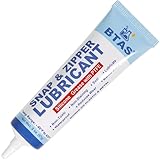
– If a zipper is stuck, run a graphite pencil along the teeth – it lubricates without staining.
– For small tears, use a leather patch and saddle stitch (hand-stitching is stronger).
– Replace missing zippers with period-appropriate Talon or YKK models.
Functional pockets make the bag enjoyable to use, which in turn increases its value to collectors who also play.
Pro-Tip: If the ball pocket zipper is stuck, try rubbing a graphite pencil point along the teeth – it lubricates without staining the leather.
6. Adjustable Leather Strap and Stand Mechanisms
Comfort and Practicality on the Course

Add this to your “Golf Carry Bag Inspiration” board and imagine carrying a piece of history!
Whether you plan to walk nine holes or display the bag, the strap and stand matter. A vintage leather strap should be made of thick, supple leather with a brass buckle or slide adjuster. My vintage Hogan bag has a single leather strap – after three rounds, I added a memory foam pad. Now it’s my favorite way to walk nine holes.
Strap and stand features to evaluate:
– Leather shoulder strap – 1.5 to 2 inches wide, with brass hardware.
– Adjustment buckle – should slide easily but hold firm.
– Side release buckle – optional, but convenient.
– Stand legs – if present, check for broken rivets or bent legs. Many early stands are wire frames.
Upgrading comfort without sacrificing authenticity:
– Soften a stiff strap with Lexol conditioner and work the buckle back and forth.
– Add a leather or nylon pad (retrofit) – it won’t be visible under the strap.
– For stand bags, replace broken rivets with period-correct hardware.
A comfortable strap makes you want to use the bag, and using it outdoors adds to its patina and story.
Pro-Tip: If the leather strap is too stiff to adjust, soften it with a gentle leather conditioner (like Lexol) and work the buckle back and forth.

7. Classic Brown Color and Matching Headcovers
The Ultimate Retro Aesthetic

Pin this entire set to your “Dream Golf Setup” board and imagine the compliments on the course!
The classic brown leather color is what makes these bags instantly recognizable and endlessly desirable. A full collection with matching leather headcovers for driver, woods, and putter elevates the bag from gear to art piece. I sourced three matching leather headcovers from a 1960s Hogan set on eBay. Putting them on my modern irons creates a stunning contrast.
Why brown leather and headcovers complete the look:
– Brown is the most versatile color, pairing with any club brand and most player attire.
– Matching headcovers protect wooden club heads from dings during transport.
– A complete set (bag + headcovers) commands a premium at auction.
How to find or create a matching set:
– Search eBay for “vintage leather headcovers set brown” – often sold as a lot.
– If using modern clubs, add a soft foam insert inside the headcover for a snug fit.
– Consider having a leatherworker custom-make headcovers to match your bag’s color and patina.
The classic brown design isn’t just about looks – it’s a statement that you value craftsmanship and history.
Pro-Tip: When mixing modern clubs with vintage headcovers, use a soft foam insert inside the headcover to ensure a snug fit without damaging the club.

Key Takeaways: Your Quick Guide to Vintage Leather Golf Bags
- Full-grain leather is non-negotiable – It ensures longevity, a beautiful patina, and the highest collectible value. Look for natural grain and firm but pliable texture.
- Brass hardware signals authenticity – Zippers, buckles, and rivets made of solid brass resist rust and age gracefully. Use a magnet test to confirm.
- Patina is beauty, not damage – Natural darkening from age and use preserves historical integrity. Avoid aggressive cleaning; a light conditioner is all that’s needed.
- Heritage brands dictate value – Jones, Wilson, Hogan, Burton, and MacGregor have the strongest followings. Original logos and patent numbers confirm provenance.
- Original functional pockets make it usable – A bag with working ball pocket, scorecard slot, and umbrella sleeve can still be enjoyed on the course.
- An adjustable leather strap improves comfort – Original straps can be conditioned; a memory foam pad retrofits easily for walking rounds.
- Matching leather headcovers complete the look – A full set of brown leather headcovers for driver, woods, and putter is the ultimate collector’s touch.
People Also Ask About Vintage Leather Golf Bags
What is a vintage leather golf bag?
A vintage leather golf bag is a golf bag made primarily from leather, typically full-grain, that was manufactured at least 30–40 years ago. It features distinctive characteristics like brass hardware, patina, and often a heritage brand name (e.g., Wilson, Jones). These bags are prized by collectors for their craftsmanship, aesthetic appeal, and historical significance, and many are still functional for use on the course.
How to clean a vintage leather golf bag?
Use a mild leather cleaner or a diluted 10:1 water-white vinegar solution. Apply with a soft cloth in circular motions, avoiding heavy soaking. After cleaning, let air dry away from direct sunlight. Then condition with a high-quality leather conditioner like Lexol or neatsfoot oil to restore suppleness and prevent cracking.
Are old golf bags worth anything?
Yes, many vintage leather golf bags can be worth hundreds, even thousands of dollars, depending on brand, condition, rarity, and provenance. Full-grain leather bags from iconic brands like Hogan, Wilson Staff, and early Jones bags in excellent or original condition command the highest prices. Bags with clear logos, original hardware, and matching headcovers are most valuable.
How to restore an old leather golf bag?
Assess the damage first – cracks, mold, broken zippers. For dry leather, apply a leather conditioner. For mold, wipe with a 1:1 water-vinegar solution. Replace broken zippers with period-appropriate Talon or YKK replacements. For severe cracks, consult a professional leather restorer. Never use saddle soap on vintage leather as it can strip natural oils.
What are the best vintage leather golf bag brands?
The best brands for collectors are Wilson (especially Staff and Custom), Jones (Original and Classic lines), Hogan (personalized and standard), MacGregor, Burton, and early Titleist bags. Each has a distinct style and era. Jones and Wilson are most available; Hogan and Burton are rarer and often more valuable. New retro models from Jones and Legacy are also worth considering.
How to tell if a golf bag is real leather?
Perform a burn test or water test. On a hidden seam, touch a flame to a fiber – real leather smells like burning hair; synthetic smells like plastic. Also, real leather will absorb a drop of water and darken temporarily, while synthetic will repel it. Check for natural grain patterns and slight imperfections (e.g., scars, pores).
Are vintage leather golf bags durable for playing?
Yes, many are fully usable for golf after proper conditioning and minor repairs. However, original stands may be weak, and straps may need padding. Bags from the 1960s were designed for walking; modern clubheads (larger drivers) may fit tightly. With care, you can enjoy a round with a vintage bag – it’s a conversation starter.
What is the difference between vintage and retro leather golf bags?
Vintage leather golf bags are authentic products from a past era (typically pre-1990s), while retro bags are modern reproductions that mimic the vintage look using similar materials and designs. Vintage bags have true patina, original hardware, and historical value. Retro bags offer new-condition durability, warranty, and modern volume adjustments for larger clubheads.
How to store a vintage leather golf bag to prevent deterioration?
Store in a cool, dry place away from direct sunlight and humidity above 60%. Stuff the bag with acid-free tissue paper to maintain shape. Keep zippers open slightly to prevent stress. Apply a light coat of leather conditioner annually. Wrap in a breathable cotton sheet, not plastic, to prevent moisture buildup.
What makes a leather golf bag a collector’s item?
Rarity, brand prestige, original condition, provenance, and matching accessories. A limited-edition or custom-embossed bag from a famous player (e.g., Arnold Palmer’s brand) is highly collectible. Bags with original headcovers, scorecard holders, and with documented history (purchase receipts, tournament use) exponentially increase value.
Final Thoughts on Vintage Leather Golf Bags
A vintage leather golf bag is more than a piece of sporting equipment – it’s a portal to golf’s golden age. Whether you choose to display it in a study, carry it for nine holes, or pass it down as an heirloom, every bag tells a story. The brass hardware, the worn leather, the faded logo – all whispers of rounds played under autumn suns. As you begin or deepen your collection, remember that true value lies not in price, but in the connection it brings to the game’s history. So find that bag with the perfect patina, give it the care it deserves, and step onto the fairway with a piece of the past. The greens are waiting, and so is the next chapter.
What vintage leather golf bag is in your collection? Share your story in the comments below!
Last update on 2026-08-16 / Affiliate links / Images from Amazon Product Advertising API
