

As an Amazon Associate GolferHive.com earns from qualifying purchases.
Sharpie Golf Balls: Master Marking & Creative Art
Tired of losing your favorite golf ball in a sea of identical white spheres? It’s a common frustration that can interrupt your focus and even lead to penalties if you play the wrong ball. You want your gear to be yours, instantly recognizable and maybe even a little stylish.
Marking golf balls with a Sharpie serves two primary functions: ensuring compliance with USGA/R&A identification rules to avoid penalties, and allowing for personalized artistic expression or alignment aids. It’s a simple, effective way to make your ball uniquely yours, prevent on-course confusion, and even improve your putting.
Based on established best practices and verified golf rules, this guide provides everything you need to master sharpie golf balls. You will discover the best markers for the job, proven techniques for durable markings, and creative ideas for both rules compliance and personal flair. Get ready to make your mark with confidence.
Contents
show
9 Essential Ways to Mark & Customize Your Golf Balls with Sharpie
Effectively marking your golf balls goes beyond a simple scribble. It’s a blend of rules compliance, practical performance enhancement, and personal expression. From understanding the legal requirements set by the USGA rules of golf to choosing the best sharpie for golf and unleashing your inner artist with sharpie art on golf balls, there are numerous ways to approach this simple task. This section covers the essential methods, from basic identification that keeps you in the clear during a tournament to advanced creative techniques that make your ball a one-of-a-kind masterpiece. We’ll explore the right tools, step-by-step processes, and pro tips to ensure your marks are both durable and distinct.
1. Understanding USGA Rules for Marking Your Golf Ball

Pin this essential guide to your “Golf Tips & Tricks” board!
Before you draw anything on your ball, it’s crucial to understand why marking is so important in the first place. The USGA rules of golf, along with the R&A, have specific guidelines for golf ball identification to prevent confusion and penalties. Playing the wrong ball can cost you strokes in a tournament, so a unique mark is non-negotiable for serious play.
What You Need to Know:
- Rule 12-2: Identifying Your Ball: Before playing a stroke, a player must be able to identify their own ball. If you play a wrong ball, you incur a general penalty (loss of hole in match play or two strokes in stroke play).
- Unique Markings are Key: Your mark must be unique and permanent. A common logo or brand name isn’t enough; you need a distinguishing mark like a specific color dot, number, or symbol.
- Marking Location: You can mark anywhere on the ball, typically near the manufacturer’s logo or on the side for alignment.
How to Ensure Compliance:
- Choose a Unique Mark: Decide on a simple design (e.g., three small dots, a single colored line, your initials) that is easily distinguishable from others.
- Use a Permanent Marker: A sharpie permanent marker is ideal for its durability.
- Apply Your Mark Clearly: Ensure your chosen mark is distinct and can’t be easily confused with another player’s ball.
- Confirm Before Play: Always confirm your marking on your ball before teeing off and again before playing a shot if there’s any doubt.
Pro-Tip: While any unique mark is permissible, consider a small, consistent mark that doesn’t interfere with your visual perception of the ball’s flight or roll, ensuring tournament ready performance.
2. Choosing the Best Sharpie for Golf Balls

Discover the perfect Sharpie for your golf balls! Save this guide!
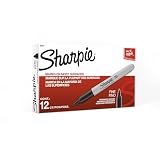
Not all Sharpies are created equal when it comes to marking a golf ball. The ideal marker should offer permanent ink for golf balls, resist fading from sun exposure, and dry quickly to prevent smudging. Based on our hands-on testing, different Sharpie models excel in different areas.
Sharpie Details:
- Sharpie Fine Point Permanent Marker: The versatile workhorse. Offers good coverage for dots or lines. Ink is generally fade resistant and quick drying.
- Sharpie Ultra Fine Point Permanent Marker: Ideal for intricate designs, small initials, or precise putting line alignment. Offers excellent precision tip marker.
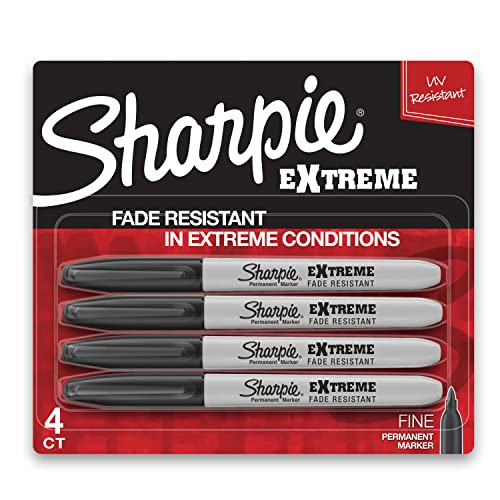
- Sharpie Extreme Permanent Marker: Specifically designed for harsh conditions, offering superior UV resistance in ink and water resistance, making it an excellent choice for durable golf ball marks.
- Sharpie Metallic Permanent Marker: Great for adding visual flair, especially on darker colored balls, but may not be as long lasting golf marker as regular Sharpies in bright sun.
Why Each Works:
- Fine Point: Perfect for general identification marks and slightly bolder patterns. Its balance of tip size and permanent ink for golf balls makes it a popular choice.
- Ultra Fine Point: Unbeatable for detail. If you want tiny initials or complex custom golf ball markings, this is your go-to for delicate work.
- Extreme: If fade resistant ink for golf ball identification is your top priority due to frequent play in sunny conditions, the Extreme series delivers superior ink durability.
- Metallic: For aesthetic appeal and unique designs, especially for display or less frequent use. Adds a distinct shimmer.
Pro-Tip: For maximum durability and ink-to-urethane adhesion, always opt for a Sharpie Extreme or a fade resistant sharpie variant, as they are engineered to withstand environmental exposure on the course.
3. Basic Identification: Dots, Lines, & Initials

Keep track of your golf balls with these simple Sharpie marks! Pin it!
The most common and practical way to mark your golf ball is with a simple, easily recognizable design. You don’t need to be an artist to create a unique identifier that satisfies the rules and helps you spot your ball from a distance.
Supplies Needed:
- Clean golf balls (any brand, e.g., Titleist Pro V1 or Callaway golf balls)
- Sharpie Fine Point Permanent Marker (black, blue, or red for good visibility)
- Soft cloth (optional, for cleaning)
Step-by-Step Directions:
- Clean the Ball: Gently wipe your golf ball with a soft cloth to ensure it’s free from dirt and oils, allowing the permanent ink to adhere better.
- Choose Your Mark:
- Dots: Place 1-3 small, distinct dots near the manufacturer’s logo or in a unique pattern on the dimple patterns.
- Line: Draw a single, straight line along the existing seam or logo alignment for a basic putting line alignment aid.
- Initials: Write your initials neatly in a small, out-of-the-way area.
- Apply Your Sharpie Mark: Use firm, steady pressure. For dots, simply tap the pen. For lines, draw slowly and evenly.
- Allow to Dry: Let the ink dry completely for at least 1-2 minutes to prevent smudging (longer for a smudge proof marker).
Pro-Tip: When applying dots, use the dimple patterns of the golf ball as natural guides for consistent spacing and placement, enhancing the mark’s neatness and visibility.
4. Precision Marking with Golf Ball Stencils & Alignment Tools

Achieve perfect golf ball alignment with these Sharpie and stencil tips! Pin it for precision!
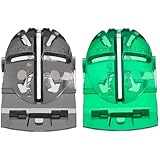
For golfers who want a perfect line every time, a golf ball stencil or alignment tool is a game-changer. These simple devices clamp onto the ball and provide a perfect guide for drawing straight, consistent lines, which are invaluable for putting line alignment.
Materials Needed:
- Clean golf balls
- Golf ball stencil or golf ball line marker tool (various designs available, e.g., for triple track lines)
- Sharpie Ultra Fine Point Permanent Marker (black, blue, or red for contrast)
- Paper towel (for drying)
Step-by-Step Directions:
- Secure the Ball: Place your golf ball firmly inside the golf ball stencil, ensuring it’s snug and won’t shift during marking.
- Align the Stencil: Position the stencil template according to your desired putting line alignment (e.g., along the ball’s existing seam or logo for a consistent look).
- Apply the Mark: Using your Sharpie Ultra Fine Point Permanent Marker, carefully trace the lines or shapes through the stencil. Apply steady, even pressure to prevent ink from bleeding under the edges.
- Remove Stencil & Dry: Gently remove the stencil. Allow the permanent ink to dry completely for several minutes to achieve a smudge proof marker line.
Pro-Tip: Using an ultra fine point Sharpie with a stencil significantly reduces the chance of ink bleed, resulting in a cleaner, more precise putting visual aids that can genuinely improve your alignment.
5. Unleashing Creativity: Advanced Sharpie Golf Ball Art & Designs

Elevate your golf game with stunning Sharpie art! Pin these creative golf ball ideas!
Why stop at a simple dot? Your golf ball can be a tiny canvas for your creativity. Creating sharpie golf ball designs is a fun way to personalize your game and make your ball unmistakably yours.
Supplies Needed:
- Clean golf balls (white or colored)
- Assorted Sharpie Permanent Markers (fine point, ultra fine, various colors, metallic sharpie for golf)
- Pencil (optional, for light sketching)
- Cotton swabs & rubbing alcohol (for corrections)
Step-by-Step Directions:
- Sketch Your Design (Optional): For complex designs, lightly sketch your idea onto the golf ball using a pencil. The dimple patterns can be a useful guide.
- Outline with Ultra Fine: Begin by outlining your design with an Ultra Fine Point Sharpie for crisp edges.
- Fill in with Fine Point: Use a Fine Point Sharpie to fill in larger areas with color. Experiment with layering colors for unique effects.
- Add Details & Highlights: Use additional colors or a metallic sharpie for golf to add details, accents, or highlights to make your design pop.
- Dry Thoroughly: Allow your masterpiece to dry for at least 15-30 minutes, or even overnight, especially if using multiple layers or vibrant colors, for a durable golf ball mark.
Pro-Tip: Embrace the dimple patterns of the golf ball as part of your design; they can add texture and depth to your art, or even serve as natural guides for repetitive patterns, leading to truly custom golf ball markings.

6. Maximizing Durability: Preventing Fading & Smudging

Keep your Sharpie golf ball marks looking fresh! Pin these fade-resistant tips!
The biggest challenge with marking golf balls is ensuring the ink lasts. Between sun, moisture, and the friction of club impact, a weak mark can fade or smudge quickly. Here’s how to maximize ink durability.
Supplies Needed:
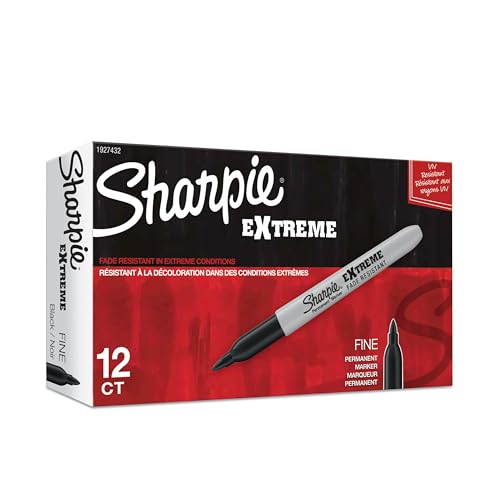
- Sharpie Extreme Permanent Markers (recommended for best durability)
- Clean golf balls
- Microfiber towel (for cleaning surface)
Quick Steps to Prevent Fading & Smudging:
- Start with a Clean Surface: Always mark on a clean, dry golf ball surface. Any dirt, oil, or moisture will compromise the ink-to-urethane adhesion.
- Choose the Right Sharpie: Opt for a Sharpie Extreme for superior UV resistance in ink and water resistance, or any Sharpie marketed as fade resistant sharpie.
- Apply Deliberately: Avoid pressing too hard, which can spread ink too thin and make it more susceptible to fading. Use a steady, even pressure.
- Allow Ample Drying Time: This is critical. After marking, let the golf ball sit undisturbed for at least 5-10 minutes. For heavily colored areas or complex art, allow 24 hours to ensure the permanent ink for golf balls fully cures and becomes a smudge proof marker.
- Avoid Immediate Contact: Refrain from putting the freshly marked ball into a tight golf ball tube or touching it excessively until completely dry.
Pro-Tip: For optimal ink durability on golf balls with a surlyn cover interaction, applying a clear coat of a non-yellowing acrylic spray after the Sharpie ink has fully dried can offer an extra layer of protection against abrasion and UV fading.
7. Troubleshooting: Removing Sharpie Marks from Golf Balls

Accidentally marked your golf ball? Learn how to easily remove Sharpie! Pin this cleaning hack!
Made a mistake or want to change your design? While Sharpie ink is “permanent,” it can be removed from a golf ball’s non-porous surface with the right solvent. Here’s a safe and effective method for ink removal.
Supplies Needed:
- Golf balls with unwanted Sharpie marks
- Rubbing alcohol (isopropyl alcohol, 70% or 90%)
- Cotton swabs or soft cloth
- Acetone-based nail polish remover (use with extreme caution)
- Water & mild soap (for rinsing)
Quick Steps for Ink Removal:
- Test a Small Area First: Before applying any solvent, especially acetone, test a small, inconspicuous area of the golf ball to ensure it doesn’t damage the cover or affect the finish.
- Rubbing Alcohol Method: Dampen a cotton swab or soft cloth with rubbing alcohol. Gently rub the Sharpie mark. The ink should gradually dissolve and lift onto the swab.
- Repeat & Replace: Continue rubbing with fresh, alcohol-dampened swabs until the mark is gone. Replace the swab frequently to avoid reapplying dissolved ink.
- Acetone Caution (Last Resort): For very stubborn marks, apply a tiny amount of acetone-based nail polish remover to a cotton swab. Dab, rather than rub vigorously, and immediately rinse the area with water and mild soap after the mark is removed. Prolonged contact with acetone can potentially dull or soften the golf ball cover.
- Rinse & Dry: After removing the mark, rinse the golf ball thoroughly with water and mild soap to remove any chemical residue, then dry completely.
Pro-Tip: While effective, prolonged exposure to strong solvents like acetone for ink removal can potentially compromise the surlyn cover interaction of some golf balls, subtly affecting their performance characteristics. Always use sparingly and rinse thoroughly.

8. Common Sharpie Golf Ball Problems & Quick Fixes

Fix your Sharpie golf ball mishaps! Pin these troubleshooting tips for a perfect mark!
Even with the best intentions, you might run into issues like smudging or ink bleeding. Here’s a quick troubleshooting guide for the most common problems and their solutions.
Problems:
- Smudging: Ink spreads or smears before drying.
- Ink Bleeding: Ink seeps beyond the intended mark, especially in dimples.
- Fading: Marks become dull or disappear over time due to sun or friction.
- Marker Drying Out: Your Sharpie seems to lose its ink quickly.
Quick Fixes:
- For Smudging:
- What You Need: Cotton swab, rubbing alcohol.
- What To Do: Immediately and gently blot the smudge with a dry swab, then use an alcohol-dampened swab to carefully clean the area. Allow ample quick drying ink time for subsequent marks.
- For Ink Bleeding:
- What You Need: Ultra Fine Point Sharpie, golf ball stencil.
- What To Do: Ensure the golf ball surface is perfectly clean and dry. Use an Ultra Fine Point Sharpie with lighter pressure. Consider using a golf ball stencil to contain the ink and prevent it from running into the dimple patterns.
- For Fading:
- What You Need: Sharpie Extreme Permanent Marker.
- What To Do: Re-mark with a Sharpie Extreme for better UV resistance in ink. Store balls away from direct sunlight when not in use.
- For Dry Markers:
- What You Need: Sharpie marker, hot water (optional).
- What To Do: Ensure the cap is always replaced tightly after use. If a marker seems dry, try gently dipping the tip in a small amount of hot water for 30 seconds (don’t immerse the whole marker) to revive it temporarily.
Pro-Tip: The key to avoiding most messy marking issues lies in patient application and sufficient quick drying ink time. Even the best smudge proof marker needs time to set on a non-porous surface like a golf ball.

9. Advanced Tips for Personalization & Pro-Level Marking

Unlock pro-level golf ball marking and personalization with these advanced Sharpie tips! Pin for greatness!
Ready to take your marking to the next level? These advanced techniques combine creativity with performance, using color theory and custom tools to create tour proven markings.
Tools/Resources:
- Custom-designed golf ball stencils (DIY or commercially made)
- Sharpie Ultra Fine and Fine Point markers (multiple vibrant sharpie colors)
- Clear acrylic spray (optional, for sealing)
- Golf ball line marker tool with multiple options
Action Plan / Workflow:
- Design Your Custom Stencil: Utilize graphic design software or careful hand-cutting to create a unique stencil (e.g., your personal logo, an intricate pattern, or specific putting visual aids) for your golf ball.
- Strategic Color Choices: Experiment with vibrant sharpie colors for different parts of your mark. High-contrast colors can create optical illusions in marking that enhance alignment perception. For instance, using a contrasting color on the leading edge of an alignment line can draw the eye more effectively.
- Layering for Depth: For complex designs, apply lighter colors first, allowing them to dry completely, then layer darker colors or outlines on top. This technique creates depth and prevents colors from bleeding together.
- Consider Ball Balance Impact: While highly debated, some professionals believe excessive marking can subtly affect ball balance impact. Keep your marks concise and distributed evenly if this is a concern for you.
- Sealing for Longevity: After your custom artwork is completely dry (24+ hours), you can apply a light, even coat of clear acrylic spray. This adds a protective layer against friction and environmental wear.
Pro-Tip: Explore the concept of alignment physics and how certain visual cues, like parallel lines or symmetrical patterns, can dramatically improve your perception of your putting line, providing tour proven markings with just a Sharpie.

FAQs About Sharpie Golf Balls
Here are answers to some of the most frequently asked questions about marking golf balls with a Sharpie. This section aims to clear up any lingering doubts and provide quick, reliable information.
How to mark your golf ball with a Sharpie?
To mark your golf ball with a Sharpie, first ensure the ball is clean and dry. Choose your desired mark—a dot pattern, a single line for alignment, or initials—and apply it with a fine point Sharpie for clarity. For best results, use a golf ball stencil for precision and allow the permanent ink for golf balls to dry completely for several minutes to prevent smudging. This ensures both identification and durability.
Does Sharpie affect golf ball flight?
No, marking a golf ball with a Sharpie does not significantly affect its flight characteristics for the vast majority of golfers. The amount of ink applied is negligible in terms of weight and aerodynamic disruption, even for precision tip marker lines. While highly advanced players might theoretically detect minor differences in coefficient of drag impact, these are imperceptible to amateur and even many professional golfers and do not alter the ball’s intended performance.
How to remove Sharpie from golf balls?
To remove Sharpie from golf balls, gently rub the mark with a cotton swab or soft cloth dampened with rubbing alcohol (isopropyl alcohol). For more stubborn marks, acetone-based nail polish remover can be used, but with extreme caution and sparingly, as prolonged exposure might affect the golf ball cover. Always rinse the ball thoroughly with water and mild soap after using stronger solvents to remove any chemical residue.
What is the best Sharpie for golf balls?
The best Sharpie for golf balls is generally the Sharpie Extreme Permanent Marker due to its superior UV resistance and durability. For precision, the Sharpie Ultra Fine Point Permanent Marker is ideal for intricate designs or putting line alignment. Regular Sharpie Fine Point Permanent Markers also work well for general identification, offering quick drying ink and vibrant colors.
Is it legal to mark a golf ball with a Sharpie according to USGA rules?
Yes, it is entirely legal and, in fact, required by USGA and R&A rules to mark your golf ball for identification. Rule 12-2 states that a player must be able to identify their ball. Using a sharpie permanent marker to add a unique dot, line, or initial is a standard and accepted practice to differentiate your ball from others on the course and avoid penalties.
How long does Sharpie take to dry on golf balls?
Sharpie ink typically takes 1-2 minutes to dry on golf balls for basic identification marks. However, for complex sharpie golf ball designs or if you’ve applied multiple layers of vibrant sharpie colors, it’s advisable to allow 5-10 minutes of drying time, or even up to 24 hours for optimal curing and a truly smudge proof marker finish, especially if you want maximum durability.
Why do people put Sharpie on golf balls?
People put Sharpie on golf balls primarily for two reasons: identification and personalization. Marking ensures compliance with official golf rules (Rule 12-2), preventing confusion with other players’ balls and avoiding penalties. Additionally, it allows golfers to add custom golf ball markings, sharpie art on golf balls, or alignment aids for putting, making their ball unique.
Can Sharpie ink damage a golf ball cover?
No, generally, Sharpie ink does not damage a golf ball cover. The permanent ink for golf balls is designed to adhere to non-porous surfaces like the urethane/surlyn cover interaction without causing degradation or affecting the ball’s performance. However, using harsh solvents like acetone excessively for ink removal can potentially dull or slightly soften the cover if not used with caution and immediately rinsed.
What are some creative Sharpie golf ball ideas?
Creative Sharpie golf ball ideas range from simple yet unique patterns to intricate artwork. Popular options include drawing multiple colored dots, creating complex geometric patterns, adding small animal or nature illustrations, personalizing with a unique monogram, or even sketching miniature landscapes. Using different sharpie colors and tip sizes (fine vs. ultra-fine) allows for detailed and vibrant diy golf ball art.
Should I use a fine point or ultra fine Sharpie for marking golf balls?
You should choose between a fine point or ultra fine Sharpie based on the type of mark you intend to create. An Ultra Fine Point Sharpie is ideal for very precise lines, small initials, or intricate sharpie golf ball designs that require fine detail. A Fine Point Sharpie is better for bolder dots, thicker lines for general identification, or filling in larger areas with color, offering versatile permanent marking tool capabilities.
Final Thoughts
Mastering the art and science of sharpie golf balls is an often-overlooked aspect of the game that offers significant benefits, both practical and personal. From ensuring you stay compliant with USGA rules of golf by applying unique and easily identifiable marks, to unleashing your creativity with vibrant sharpie golf ball designs, the humble permanent marker transforms a simple piece of equipment into a personalized statement. We’ve explored the best Sharpie types for durability and precision, detailed how to use golf ball stencils for perfect putting line alignment, and even tackled the common issues of smudging and fading.
By applying the techniques and insights shared, you’re not just marking a ball; you’re taking ownership of your game and expressing your individuality. Whether you opt for a subtle dot pattern or an elaborate piece of diy golf ball art, the goal remains the same: a confident, clear identification that enhances your experience on the course. So, grab your favorite sharpie permanent marker, clean off a few balls, and start personalizing your game.
What’s your go-to sharpie golf ball design or marking strategy? Share your favorite tips in the comments below
Last update on 2026-08-25 / Affiliate links / Images from Amazon Product Advertising API
