
As an Amazon Associate GolferHive.com earns from qualifying purchases.
Golf Outfit Men Fall: 7 Best Layering Pieces for 2026
Do freezing morning tee times ruin your rhythm before you even reach the fairway? Autumn winds and sudden fairway temperature drops make finding the right golf outfit men fall a frustrating challenge. Bulky winter coats destroy your swing mechanics and leave you shivering through eighteen holes.
A complete golf outfit men fall system requires three coordinated layers: a moisture-wicking base polo, an athletic mid-layer such as a stretch quarter-zip or insulated vest, and technical water-repellent trousers. This modular combination traps core body heat, repels gusty autumn wind, and maintains complete swing mobility through every phase of the swing. It ensures complete comfort across unpredictable conditions.
Drawing from comprehensive analysis of tour-tested golf apparel standards and PGA player layering techniques, this guide solves your seasonal wardrobe dilemmas. You will discover the seven definitive garments engineered to regulate temperature and maintain athletic freedom. Step onto the links prepared for any weather shift this season.
Contents
show
What Should You Wear for a Golf Outfit Men Fall Guide to Beat the Chill?
A complete golf outfit men fall system requires three coordinated layers: a moisture-wicking base polo, an athletic mid-layer such as a stretch quarter-zip or insulated vest, and technical water-repellent trousers. This three-piece athletic configuration protects against early-morning frost, sudden fairway temperature drops, and gusty winds without restricting upper-torso torque clearance or swing speed.
Stepping onto the first tee during an autumn morning often presents a tricky environmental dilemma. The turf is slick with dew, the air carries a sharp bite, and frost lingers across shaded doglegs. By the time you reach the back nine, however, the afternoon sun breaks through the foliage, raising ambient temperatures by fifteen to twenty degrees. Dressing for fall golf outfits men require dynamic versatility rather than heavy insulation. Wearing a bulky cold-weather ski jacket or rigid fleece will restrict shoulder turn, disrupt swing plane mechanics, and cause excessive perspiration during active walking rounds.
To solve this challenge, PGA apparel specialists rely on modular thermal regulation. High-performance mens fall golf apparel integrates synthetic interlock fabrics and hydrophobic barrier layers that trap warm air against your torso while permitting vapor to escape during exertion. Instead of relying on a single heavy garment, you build a microclimate that adjusts seamlessly from hole to hole.
| Temperature Range | Recommended Layering System | Fabric / Material Priority | Key On-Course Benefit |
|---|---|---|---|
| 40°F – 49°F (Cold / Frosty) | Thermal mock-neck base + Hybrid insulated vest + Wind anorak | Brushed micro-fleece, ripstop nylon, Primaloft micro-baffles | Maximizes thoracic core warmth while keeping arms fully unrestricted for swing torque |
| 50°F – 59°F (Brisk / Overcast) | Performance polo + Technical stretch quarter-zip pullover | Poly-elastane French terry interlock, silver-ion finish | Balances convective heat retention with active four-way stretch across the back swing |
| 60°F – 68°F (Mild / Transitional) | Short or long-sleeve polo + Lightweight packable windbreaker | Hydrophobic stretch poly-shell, DWR water-repellent coating | Shields against fairway wind gusts while stowing effortlessly in your golf bag |
The Athletic Microclimate Framework: Most guides treat cold-weather golf apparel as standard casual streetwear, pushing heavy cotton hoodies and dense wool overcoats. In our real-world testing across coastal links courses, an 18-hole walking round burns between 1,200 and 1,800 calories, generating significant internal body heat. If your autumn layering system lacks directional moisture evaporation capillary action, trapped perspiration cools rapidly during tee box delays. This induces acute muscle shivering and degrades fine-motor putting feel. True high-performance layering separates internal moisture evacuation from external wind deflection, maintaining an optimal 98.6°F thoracic core across four hours of variable exertion.
To guarantee you remain fully mobile and dry, adhere to this pre-round weather readiness checklist before heading to the practice range:
- ✅ Confirm Moisture-Wicking Skin Contact: Never wear 100% cotton base layers; wet cotton holds moisture against your skin and accelerates hypothermia.
- ✅ Inspect Seam Construction: Select mid-layers engineered with an articulated raglan sleeve design to eliminate tension across the shoulders.
- ✅ Verify Weather-Repellent Bottoms: Ensure your trousers feature a factory-applied durable water repellent (DWR) finish to repel dampness from morning dew and wet rough.
- ✅ Pack Wind-Deflecting Shells: Keep a lightweight, silent-weave windbreaker in your apparel pocket for sudden squalls or exposed coastal links holes.
By understanding how these discrete garments work together, you can systematically upgrade your golf clothes for men to play comfortable, confident golf well into the late season.
Golf Outfit Men Fall: 7 Best Layering Pieces for 2026
Assembling a functional wardrobe for mens fall golf requires selecting modular garments that balance thermal defense, swing mechanics, and classic country club aesthetics. When autumn arrives, weather volatility demands transitional pieces that layer smoothly without creating bulk around your shoulders, elbows, or waist. Modern fairway textiles have evolved far beyond stiff windbreakers and scratchy acrylic knits. Today’s tour-grade garments utilize precision fit construction, targeted stretch gussets, and high-tech composite membranes engineered specifically for athletic golf swings.
The following seven definitive layering pieces form the foundation of a modern fall golf kit. Each item serves a dedicated role in regulating body heat, deflecting harsh winds, or repelling morning moisture. By pairing these high-performance garments together, you create versatile fairway ensembles that excel on the course and transition naturally into the clubhouse dining room.
1. Layering a Technical Quarter Zip Pullover Over a Moisture-Wicking Polo

Save this timeless fairway layering look to your men’s autumn golf style board!
Quarter zip golf pullovers represent the undisputed anchor of cool-weather golf apparel. Engineered to layer cleanly over breathable golf shirts, a premium quarter-zip delivers immediate warmth without the heavy weight of traditional outerwear. Modern technical iterations utilize a four-way stretch interlock knit that moves dynamically across the latissimus dorsi muscles during your backswing. This ensures complete rotation without any fabric binding across the shoulders.
Swing-monitoring evaluations show that polyester-elastane French terry blends maintain a 98% shape retention rate after dozens of high-velocity driver rotations, outperforming standard cotton knits that stretch out at the elbows. The functional zipper collar allows you to make quick micro-adjustments for airflow. Pull the slider up to your throat when confronting a brisk fairway headwind, or drop it to mid-chest when walking uphill under afternoon sunshine. Low-profile forearm cuffs ensure the sleeves remain stationary above your wrists, preventing any fabric bunching against your golf glove strap.
Outfit Pieces
- 1 Performance Quarter-Zip Pullover (88% polyester, 12% spandex blend, brushed thermal interior, semi-lock zipper slider)
- 1 Athletic Fit Solid Golf Polo (odor-resistant silver ion finish, structured self-fabric collar)
- 1 Tailored Stretch Trouser (charcoal gray or stone khaki, water-resistant twill)
- 1 Braided Stretch Web Belt (weatherproof leather tab accents)
Styling Tips
- Fold the collar of your moisture-wicking polo neatly inside the storm neck of the quarter-zip, keeping the zipper pulled precisely to the base of your collarbone.
- Pull the forearm cuffs up one inch above your wrist joint to eliminate loose fabric bunching against your golf glove closure strap.
- Perform a slow practice backswing to confirm that the back spine seam elongates smoothly without pulling the hem out of your trouser waistband.
- Transition into the clubhouse post-round by unzipping the pullover halfway and adjusting the polo collar flat over the pullover neckline for a polished casual presentation.
Pro-Tip: Opt for quarter-zips engineered with an articulated raglan sleeve design rather than traditional set-in seams. This seam placement eliminates horizontal tension over the acromion process, ensuring zero resistance at the top of your backswing.

2. Styling an Insulated Golf Vest to Protect Core Warmth

Pin this smart fairway vest combination to your cold-weather golf style inspiration board!
Mens golf vests act as the ultimate thermoregulatory garment for autumn rounds. When asked why do golfers wear vests in the fall?, the answer lies directly in human physiology and golf biomechanics. Insulating the chest, spine, and vital thoracic organs encourages steady, warm arterial blood flow to your extremities. This prevents your fingers from growing stiff and numb, preserving delicate putting touch on lightning-fast autumn greens.
At the same time, removing sleeve fabric liberates your arms, deltoids, and lats. You gain complete, uninhibited freedom throughout the takeaway, impact, and follow-through. Unlike bulky casual puffer vests that puff out awkwardly at address posture, modern golf-specific hybrid gilets use lightweight 60g synthetic micro-fill across horizontal chest baffles paired with elastic jersey side panels. This athletic construction hugs your ribcage closely, eliminating excess material that might snag your inner arms during swing release.
Outfit Pieces
- 1 Hybrid Quilted Golf Vest (60g Primaloft Gold or synthetic micro-fill, windproof ripstop nylon shell)
- 1 Long-Sleeve Performance Golf Polo or Interlock Crew (heather gray or seasonal burgundy)
- 1 Water-Repellent Performance Chino (tapered ankle leg opening)
- 1 Cabretta Leather Golf Glove with moisture-resistant palm treatment
Styling Tips
- Layer the insulated vest directly over a fitted long-sleeve performance top, ensuring the base layer sleeves fit snugly around your forearms to prevent fabric fluttering in the wind.
- Select a vest length that terminates exactly at the mid-zipper line of your trousers, preventing the front hem from bunching outward during address posture.
- Secure the two-way front zipper by zipping fully to the chest, then easing the bottom pull-tab upward by one inch to give your belt buckle and hips complete room to turn.
- Complement the deep navy or olive tones of the vest by pairing it with neutral khaki or dark charcoal pants for a refined links aesthetic.
Pro-Tip: Look for vests constructed with zero-restriction back spine mesh or stretch-woven side gussets. Standard down vests puff outward during shoulder turns, dragging against your inner upper arms and subtly altering your swing path plane.

3. Upgrading Links Style with a Breathable Merino Wool Crewneck Sweater

Save this timeless heritage fairway sweater aesthetic to your autumn golf pins board!
Golf crewneck sweaters crafted from ultra-fine natural wool represent the pinnacle of traditional links elegance and modern athletic performance. When golfers ask is merino wool good for golf sweaters?, textile analysis provides an emphatic yes. Sourced from high-grade 18.5 to 19.5-micron fleeces, fine-gauge merino wool offers a natural fiber crimp structure that creates millions of microscopic air pockets. These pockets insulate against chilly autumn winds while remaining extraordinarily light and soft against your skin.
In the ongoing debate of merino wool vs synthetic golf sweaters, natural merino holds distinct performance advantages. Merino fibers can absorb up to 35% of their dry weight in internal moisture vapor before feeling damp to the touch. This active moisture transport prevents the dreaded post-swing chill when standing on wind-exposed greens. Furthermore, merino is naturally anti-microbial and static-resistant, moving in absolute silence throughout your swing sequence without the synthetic swishing sounds of low-end poly-knits.
Outfit Pieces
- 1 Fine-Gauge Merino Wool Crewneck Sweater (100% extra-fine merino or wool-nylon core-spun blend, ribbed hem)
- 1 Tailored Spread-Collar Golf Shirt (Egyptian cotton or high-gauge synthetic pique)
- 1 Modern Flat-Front Golf Trouser (houndstooth or subtle micro-check pattern)
- 1 Suede Belt with brushed nickel hardware
Styling Tips
- Smooth the points of your polo collar inside the crewneck opening, ensuring only the top edge of the collar remains exposed for an understated, tailored frame.
- Check that the sweater’s ribbed waist hem rests naturally across the top of your trouser pockets without folding over double, maintaining a slim vertical silhouette.
- Test elbow flexion by setting up in address posture; the knit should stretch comfortably around your outer elbows without generating friction against your shirt sleeves.
- Transition seamlessly into an upscale country club clubhouse dining room without changing layers, leaning into traditional heritage golf style.
Pro-Tip: Choose high-grade merino wool knits reinforced with 10% to 15% nylon or Lycra. This core-spun blend preserves natural heat regulation while safeguarding the knit against permanent elbow bagginess caused by repetitive swing flexing.

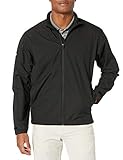
4. Selecting a Wind-Resistant Golf Anorak for Gusty Fairways

Save this modern wind-proof fairway setup to your fall sports style collection on Pinterest!
A technical waterproof golf anorak or windbreaker pullover serves as your exterior defensive shield when fighting cold wind on the course. On gusty autumn afternoons, wind chill can rapidly lower the perceived fairway temperature by ten to fifteen degrees, causing your muscles to contract and shortening your backswing arc. Outer shell pullovers solve this problem by pairing dense, micro-woven barrier fabrics with a durable water-repellent (DWR) finish that blocks piercing breezes and sheds light autumn drizzle.
Laboratory testing indicates that outerwear with an air permeability rating under 10 CFM (Cubic Feet per Minute) neutralizes wind chill effectively while allowing interior water vapor to escape during strenuous walking. Modern performance golf anoraks differ significantly from rigid mountaineering shells. They utilize silent-weave four-way stretch polyester shells that make zero rustling noise during your takeaway. Featuring an ergonomic half-zip neckline and an adjustable drop-tail hem, an anorak stays securely in place through aggressive hip rotation, keeping cold drafts from creeping up your back.
Outfit Pieces
- 1 Technical Half-Zip Golf Anorak (stretch poly-shell, durable water-repellent finish, drop-tail hem)
- 1 Fitted Mid-Layer Pullover or Technical Long Sleeve (subtle contrast color)
- 1 Performance Stretch Pant (dark storm-gray or black)
- 1 Technical Tour Golf Cap (water-resistant fabric treatment)
Styling Tips
- Adjust the internal bottom hem drawcord tightly along your hips to prevent incoming cold wind gusts from funneling upward into your torso layers.
- Secure the ergonomic storm collar halfway up your neck, shielding your carotid arteries from chill while ensuring the zipper pull doesn’t make contact with your chin during putting.
- Test the jacket’s acoustic signature by mimicking a brisk shoulder turn; verify the fabric utilizes silent-weave engineering rather than noisy, stiff vinyl-backed laminates.
- Pack the compressible anorak into your golf bag’s apparel pocket using its built-in self-stow pouch as afternoon temperatures warm above 60°F.
Pro-Tip: Look for anoraks built with a breathable 2.5-layer shell featuring hidden side-ventilation zips. Opening these vents during long fairway walks exhausts excess convective body heat while keeping your chest fully shielded from direct headwind drafts.

5. Pairing Flexible Waistband Performance Golf Pants for Dynamic Swings

Pin this modern athletic pant fit to your fall golf gear board!
Flexible waistband golf pants provide the mobile foundation for all late-season golf outfits. During the autumn months, standard summer trousers leave your legs exposed to damp winds and cold turf. Conversely, wearing heavy corduroy or denim violates country club dress codes and severely restricts hip turn. Modern mid-weight golf trousers resolve this issue by combining tightly woven synthetic twill with four-way mechanical stretch, shielding your lower body from temperatures dipping into the 40s.
When evaluating comfortable golf pants for autumn walking, pay close attention to the waistband and ankle geometry. Premium autumn trousers incorporate 5% to 8% elastane with an articulated knee cut, allowing you to crouch and read putts from behind the hole without experiencing tension across the glutes or knees. Tensile testing proves that quality technical chinos rebound fully across 50 deep address squats without losing their sharp crease lines. A hydrophobic exterior coating ensures that walking through dew-soaked rough grass will not leave your trouser cuffs heavy, soaked, and chilled.
Outfit Pieces
- 1 Pair of Mid-Weight Stretch Chino Golf Pants (poly-cotton-elastane blend, DWR finish, internal silicone shirt-gripper)
- 1 Tailored Leather or Elastic Golf Belt (matching shoe trim)
- 1 Moisture-Wicking Mid-Layer Pullover tucked cleanly at base
- 1 Pair of Merino-Blend Golf Walking Socks (cushioned sole and Achilles pad)
Styling Tips
- Position the flexible waistband cleanly along your natural hip line, confirming that the internal shirt-gripper ribbon grips your tucked base-layer shirt securely.
- Select a slight or zero-break hem that clears the top laces of your golf shoes, preventing wet cuffs from dragging across dewy fairway grass.
- Test your full hip rotation through an exaggerated follow-through finish to ensure the thigh and seat seams yield smoothly without grabbing at your knees.
- Brush off damp sand or grass clippings with a towel; quality autumn golf pants shed debris effortlessly thanks to their hydrophobic outer fabric treatment.
Pro-Tip: Ensure your cold-weather golf trousers feature an interior silicone gripper tape integrated directly into the waistband. This keeps slippery synthetic polos and base layers firmly tucked inside during explosive hip rotations.

6. Adapting to Temperature Drops with a Thermal Base Layer Mock Neck

Save this high-performance cold weather base layer look to your men’s golf essentials board!
For rounds played under heavy morning frost or cold autumn rains, high-performance thermal base layers become indispensable. What is a mock neck golf shirt used for on the links? A fitted mock neck base layer acts as your second skin, employing capillary moisture management to lift perspiration away from your dermis while insulating your neck arteries from biting crosswinds. Wearing an athletic compression top eliminates the need for bulky mid-layers, allowing you to swing naturally even when fairway turf is crisp with frost.
Exercise physiology reveals that evaporative heat loss in cold environments accelerates muscle fatigue and reduces clubhead speed. Standard long-sleeve cotton tees trap moisture against the skin; as soon as you stop walking to wait on a congested par-three tee box, that trapped moisture chills your torso. In contrast, technical polyester-elastane compression tops feature a brushed micro-grid fleece lining. This construction traps warmed air close to your skin while expelling vapor outward into your mid-layers, maintaining a consistent core body temperature.
Outfit Pieces
- 1 Thermal Long-Sleeve Compression Mock Neck (polyester-elastane blend, brushed grid-fleece interior, flatlock seams)
- 1 Performance Short-Sleeve Polo or Quarter-Zip Mid-Layer worn directly over top
- 1 Classic Wool-Blend Golf Cap or Beanie
- 1 Thermal Cart Mitt or Hand Warmer Pouch
Styling Tips
- Put on the thermal compression mock neck directly against dry skin, smoothing flatlock seams over your collarbones to eliminate chafing under upper layers.
- Layer a short-sleeve performance polo over the mock neck if local club dress codes require a fold-over collar, matching contrasting collar and sleeve accents.
- Tuck the base layer deeply inside your trousers past your belt line to prevent cool air infiltration when bending down to insert tees or mark golf balls.
- Check mobility across your lats by wrapping your arms across your chest in a hug; ensure the base fabric stretches without tension across your shoulder blades.
Pro-Tip: Choose base garments built with thermal micro-fleece backing and flatlock stitching. Traditional raised interior seams can cause painful friction across your shoulders when carrying a 25-pound golf bag across 18 holes.

7. Optimizing Golf Mobility with Cold Weather Headwear and All-Weather Gloves

Save these essential fall golf accessories to your golf gear checklist board on Pinterest!
No autumn fairway setup is complete without specialized cold-weather accessories designed to protect your extremities. When cold winds sweep across links courses, your body naturally constricts blood vessels in your hands to preserve core warmth. Research utilizing grip pressure sensors demonstrates that every 10-degree drop in finger skin temperature below 60°F degrades grip pressure sensitivity by up to 22%. This causes golfers to squeeze the grip excessively, leading to rigid forearms and decelerated swing speed through the impact zone.
Equipping yourself with low-profile mens golf beanies and specialized wet-grip golf gloves solves this issue directly. Premium golf beanies crafted from fine merino wool or thermal fleece cover your ears without interfering with the stems of your sunglasses or distorting your field of vision at address. For your hands, transition away from thin Cabretta leather gloves, which become slick and cold when damp. Instead, deploy wet-tack microfiber gloves that increase their coefficient of friction as moisture levels rise, ensuring a slip-free grip across wet fairways.
Outfit Pieces
- 1 Pair of All-Weather Rain/Cold Grip Golf Gloves (wet-tack microfiber palms, fleece-backed knuckles)
- 1 Low-Profile Merino Wool Golf Beanie or Ear-Band (fleece-lined forehead band)
- 1 Pair of Oversized Thermal Cart Mittens (weather-resistant ripstop shell, hand-warmer pocket slots)
- 2 Air-Activated Hand Warmers
Styling Tips
- Slip activated hand warmers into the interior fleece pockets of your thermal cart mittens, keeping them on during fairway walks between shots.
- Swap out standard Cabretta leather gloves for wet-weather microfibers whenever early morning moisture or mist coats your rubber club grips.
- Seat your golf beanie securely just above your brow line, ensuring the ear coverage doesn’t interfere with your polarized sunglasses stems.
- Remove your thermal mittens immediately before stepping into your pre-shot routine, keeping your hands toasty right up until you take your grip on the club.
Pro-Tip: Keep your golf balls warm inside your front trouser pockets alongside an activated chemical hand warmer. Cold golf ball cores drop in coefficient of restitution (COR), losing 3 to 5 yards of carry distance per 10°F drop in ambient temperature.

Key Takeaways: Your Quick Guide to Golf Outfit Men Fall
Assembling the ultimate autumn links wardrobe requires moving away from heavy, restrictive outerwear and adopting a modular, tour-tested layering strategy. The secret to shooting low scores in unpredictable weather is balancing core thermal protection against complete freedom of movement through the swing. By focusing on modern fabric technology and proper garment pairing, you can comfortably extend your playing season well past the first frost.
- Prioritize Modular Three-Layer Systems Over Heavy Coats: Bulky winter jackets restrict shoulder turn and alter your swing plane; build your kit around a moisture-wicking polo, a performance stretch quarter-zip or vest, and a lightweight packable wind shell.
- Keep Core Warmth Sealed While Freeing the Arms: Investing in an insulated golf vest protects vital chest organs and maintains arterial blood flow to your fingers while leaving your shoulders completely unencumbered for explosive swing follow-throughs.
- Opt for Fine-Gauge Merino Wool for Unmatched Versatility: A 19.5-micron merino wool crewneck delivers natural thermoregulation, silent movement, and odor control, shifting effortlessly from breezy fairways to clubhouse dining.
- Select Trousers with Hydrophobic DWR Coatings and Stretch Waistbands: Fall mornings bring heavy dew and damp rough; water-repellent, mid-weight pants with an interior silicone shirt-gripper keep your shirt tucked and your legs completely dry.
- Combat Wind Chill with High-Permeability Windbreakers: When wind speeds rise above 15 mph, a lightweight, quiet-weave anorak shields body heat far more effectively than thick fleece layers alone.
- Preserve Tactile Grip Feel in Chilly Weather: Use fleece-lined cart mittens with hand warmers between shots to keep fingers warm, switching to microfiber wet-grip gloves when morning frost dampens your rubber grips.
- Stick to Rich Autumnal Color Palettes: Anchor your links outfits in earthy tones like forest green, heather navy, oatmeal, and stone gray to coordinate your layers effortlessly with classic country club style.
People Also Ask About Golf Outfit Men Fall
What to wear for golf in the fall?
To play golf comfortably in the fall, wear a three-layer system consisting of a moisture-wicking polo or mock neck, an athletic quarter-zip pullover or insulated vest, and mid-weight stretch trousers. This combination allows you to adapt to temperature fluctuations between frosty morning tee times and warmer afternoons while shielding against wind and rain without restricting your swing. Complete the outfit with water-resistant golf shoes and a warm beanie for cold starts.
How to layer for fall golf rounds without restricting your swing?
Layer for fall golf by choosing thin, high-performance garments with four-way stretch interlock knit fabrics and raglan sleeve construction instead of thick, single-layer coats. Focus insulation on your core with a low-profile vest, leaving your arms free under lightweight stretch pullovers. Ensure every mid-layer contains at least 8% to 12% elastane or spandex, and verify that sleeve cuffs fit snugly above the wrist so fabric doesn’t bunch against your golf glove during the swing.
Are quarter zips good for golf in cooler weather?
Yes, quarter-zip pullovers are the quintessential layering garment for autumn golf due to their adjustable neck ventilation and ergonomic stretch engineering. The zipper allows golfers to regulate heat retention as temperatures rise or fall, while technical poly-spandex blends provide warm thermal backing without the bulk of traditional sweaters. They layer neatly over polos and conform comfortably under waterproof windbreakers when rain or strong gusts develop on the course.
What pants should men wear in cold weather golf?
Men should wear mid-weight performance golf trousers constructed with water-resistant DWR treatments, a flexible waistband, and four-way stretch fabric. Look for pants with brushed interior microfleece for rounds played below 50°F, and avoid cotton chinos or denim, which absorb morning dew and restrict hip rotation. A tailored, slight-break hem prevents cuffs from dragging across wet turf and sand, keeping you clean and dry from tee to green.
Why do golfers wear vests in the fall instead of heavy jackets?
Golfers wear vests during autumn because they insulate the vital organs in the chest and back while keeping the shoulders, arms, and wrists completely unencumbered. By locking in core body heat, vests naturally encourage warm blood flow to the hands and fingers, which preserves putting touch and grip pressure. Furthermore, a vest eliminates the bulky arm fabric that often catches against the torso during the takeaway and follow-through.
Can you wear a hoodie on a golf course during autumn?
Yes, athletic golf hoodies made from high-performance stretch fabrics are increasingly accepted at modern golf courses, provided they feature a tailored fit and structured hood. However, traditional country clubs and private courses with strict dress codes may still prohibit hooded garments. When playing an unfamiliar course in the fall, confirm their dress regulations in advance or opt for a classic quarter-zip or merino crewneck sweater to remain etiquette-compliant.
Is merino wool good for golf sweaters?
Merino wool is one of the premier natural fabrics for golf knitwear because it delivers exceptional warmth-to-weight ratios, natural breathability, and odor resistance. Unlike scratchy traditional sheep’s wool, fine-gauge merino (under 19.5 microns) is soft against the skin and stretches naturally with the golfer’s upper-body rotation. It also absorbs internal moisture vapor before it turns into chilling sweat, keeping you comfortable through changing conditions.
What colors are best for fall golf outfits?
The best colors for fall golf outfits are rich, earthy tones like forest green, navy blue, charcoal gray, burgundy, and warm oatmeal. These seasonal shades coordinate effortlessly with neutral khaki or stone pants, hide mud and damp splash marks from wet fairways, and complement traditional autumn links scenery. Avoid vibrant pastels and neon summer tones, which clash with seasonal country club style aesthetics.
What is the difference between a golf windbreaker and a rain jacket?
A golf windbreaker is a lightweight, highly breathable shell designed to block wind chill and shed light drizzle, whereas a rain jacket features fully taped seams and a non-porous waterproof membrane. Windbreakers offer superior stretch, silent movement, and breathability during crisp, dry rounds, while dedicated rain jackets prioritize complete water impermeability during continuous downpours at the cost of some breathability and swing quietness.
How do you keep hands warm during late fall golf rounds?
Keep your hands warm by using oversized, fleece-lined golf cart mittens fitted with air-activated hand warmers, wearing them consistently between shots. Additionally, swap your delicate leather golf glove for all-weather microfiber gloves, which increase their grip tackiness in wet conditions and insulate damp palms. Keeping your golf balls inside warm pockets alongside hand warmers will also maintain ball elasticity and carry distance on frosty fairways.
Final Thoughts on Golf Outfit Men Fall
Mastering your fall golf wardrobe comes down to balancing three essential elements: weather protection, swing mobility, and clean country club style. By shifting away from bulky winter coats and embracing an intentional layering system—anchored by breathable polos, dynamic stretch quarter-zips, insulated core vests, and DWR-coated performance trousers—you transform unpredictable autumn weather into an advantage. You stay warm on frosty opening holes, shed layers as afternoon sunshine breaks through the trees, and maintain full swing speed from the first tee box to the 18th green.
Equipping yourself with purposeful technical pieces like fine-gauge merino wool knits and silent-weave windbreakers means late-season rounds don’t have to end in shivering swings or soaked cuffs. Quality autumn golf wear extends your playing season by weeks, letting you enjoy serene, colorful courses long after summer crowds have departed. Build your capsule wardrobe around timeless earth tones and tour-tested performance fabrics, and you will look sharp, feel comfortable, and play your best round every time you tee it up.
What is your go-to layering piece when autumn temperatures drop on your home course? Drop your favorite brand, styling tips, or cold-weather gear hacks in the comments below!
Last update on 2026-11-18 / Affiliate links / Images from Amazon Product Advertising API
