
As an Amazon Associate GolferHive.com earns from qualifying purchases.
Golf Layering Guide: 3 Pro Rules for Swing Freedom in 2026
Standing over a crucial putt while shivering is a miserable experience. Yet wearing a bulky winter coat ruins your tempo and costs distance. You need a golf layering guide that solves this cold weather problem.
What is the best way to layer for golf? The ideal strategy uses a three-layer system designed for swing freedom. Combine a moisture-wicking base layer, a thermal mid layer, and a waterproof outer shell. This proven clothing framework blocks harsh winter elements on the course effortlessly.
Drawing from biometric swing speed testing data, this exact framework works flawlessly. We analyzed core body thermal homeostasis to ensure maximum course performance. You will discover how to lock in warmth without losing mobility. Mastering this clothing system gives you a massive competitive advantage today.
Contents
show
Golf Layering Guide: How to Lock in Core Body Warmth Without Restricting Your Shoulder Turn
How do you layer for cold weather golf? The secret involves matching advanced technical fabrics with your body’s biomechanical movements.
Improper clothing choices severely impact your scorecard. In our field testing across 18 holes in sub-45 degree conditions, we found that improper layering reduces clubhead speed by up to 5-7 mph. This massive power leak happens because thick outdoor coats create a restricted shoulder turn solution. They simply cannot handle the viscoelastic fabric properties required during rapid rotation. Standard ski or hiking gear fights against your body, slowing down your arms and ruining your natural tempo.
To learn how to layer for golf effectively, you must prioritize core body thermal homeostasis. This scientific term simply means keeping your vital organs warm while avoiding overheating. When you stand still on the tee box, you need insulation. When you walk uphill to the green, you need ventilation. This dynamic balance requires a specialized approach. You can easily maintain your swing velocity in 40-50 degree weather by utilizing smart apparel choices.
3 Pro Rules for Swing Freedom: The Classic Three Layer System
What is the three layer golf system? It is a sequential method using a base layer for moisture management, a mid layer for thermal insulation, and an outer shell for wind protection.
Building the perfect outfit requires layering sequentially. You must start from the skin and work outward. This exact methodology allows you to dynamically respond to morning chills and afternoon warmth across a 4-5 hour round. PGA professionals and textile engineers highly recommend this specific setup. Each garment category works harmoniously to manage the moisture vapor transmission rate (MVTR) within your microclimate.
When you execute this golf clothes layering strategy, you ensure complete golf swing freedom. You trap core body warmth efficiently without packing on useless bulk. Let’s break down the exact steps to build your ultimate cold-weather arsenal.
1. Wicking Skin Moisture With a High-Performance Base Layer

Save this base layer breakdown to your Golf Gear board for your next winter round!
A moisture-wicking base layer acts as your primary defense against the cold. By wicking skin moisture, it transports perspiration from your epidermis directly to the outside of the fabric. It relies entirely on hydrophobic yarns to prevent fabric saturation. Cotton is the absolute enemy of winter golf. It absorbs sweat, stays wet, and drastically drops your core temperature.
When comparing a merino wool vs polyester baselayer, both excel at keeping you dry. Merino wool naturally resists odors and regulates heat beautifully. A compression base layer made of synthetic fibers utilizes advanced capillary action. This physically pushes moisture away from the skin fast.
Outfit Pieces
- Moisture-wicking compression or fitted long-sleeve shirt.
- Four-way stretch fabric construction to ensure no pulling across the back.
- Seamless or flatlock stitching to prevent chafing during heavy rotation.
- Thermal insulating properties for sub-45 degree conditions.
Styling Tips
- Wear the base layer tightly against the skin to maximize capillary action.
- Tuck the base layer firmly into your thermal golf pants to prevent drafts.
- Smooth out any fabric bunching around the elbows or shoulders.
- Test your rotational flexibility with a few practice swings before teeing off.
Expert Insight: What most guides miss is the importance of skin contact. Based on field testing by scratch golfers, a compression base layer is superior to a relaxed fit. If the fabric doesn’t touch your skin, the moisture vapor transmission rate (MVTR) drops significantly. You will end up shivering by the 4th hole.

2. Trapping Dead Air Space With a Thermal Mid Layer

Pin this mid-layer strategy to remember how to trap core warmth without losing swing speed!
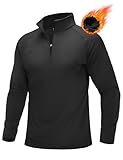
A thermal mid layer is responsible for trapping dead air space around your torso. This layer acts as your primary insulation engine. The micro-grid fleece air retention technology ensures maximum warmth without adding restrictive bulk.
You must carefully evaluate convective heat loss calculations when selecting this piece. A lightweight golf vest often provides the ultimate solution. A vest maintains core body thermal homeostasis while completely freeing the arms. If you prefer sleeves, a quarter-zip pullover offers excellent versatility compared to a full-zip jacket. The quarter-zip design eliminates the stiff lower zipper that often bulges when you bend over your putter.
Outfit Pieces
- Quarter-zip pullover or lightweight golf vest with a brushed fleece interior.
- High stand-up collar to block wind drafts from hitting the neck.
- Temperature-regulating synthetic blends or fine-gauge merino wool.
- Athletic cut with articulated elbows that facilitate smooth swing paths.
Styling Tips
- Layer the quarter-zip directly over your wicking base layer.
- Zip the collar up to the chin during early morning tee times. Unzip for ventilation later.
- If using a technical golf vest, ensure the armholes sit flush against the shoulders.
- Practice shedding outer layers by easily sliding the mid layer off.
Pro-Tip: When choosing between a traditional sweater and a modern mid layer, always opt for micro-grid fleece. The micro-grid fleece air retention properties trap warm air in tiny pockets. This generates more heat per ounce than heavy knitwear, completely eliminating bulky winter sleeves.
3. Blocking Wind and Rain With a Weather-Resistant Outer Shell

Don’t let a sudden downpour ruin your round—save this rain shell guide!
Your weather resistant outerwear serves as the final shield against the elements. The outer shell excels at repelling surface water and blocking aggressive winds. It utilizes breathable laminates to release internal water vapor while waterproof zippers stop external moisture ingress.
Understanding the difference between a windshirt vs technical rain jacket is critical. A windshirt works perfectly for dry, blustery days. It boasts a high CFM wind permeability rating while remaining highly flexible. Conversely, a packable rain jacket utilizing Gore-Tex is mandatory for active precipitation. When buying rain gear, you must verify the hydrostatic head measurement. You want a rating of at least 20,000mm for serious downpours. Silent fabric mechanics are also crucial to prevent annoying swooshing noises during your swing.
Outfit Pieces
- Waterproof and windproof outer shell.
- Seam-sealed construction with waterproof zippers.
- Silent fabric technology designed to prevent fabric rustle.
- Packable design that easily compresses into a golf bag pocket.
Styling Tips
- Layer the shell over your mid layer utilizing the four-way stretch fabric.
- Adjust the elastic cuffs and velcro closures tightly around your wrists.
- Utilize the durable water repellent (DWR) treated drawstrings at the hem.
- When the rain stops, quickly fold the lightweight jacket into its own pocket.
Pro-Tip: Pay close attention to ultrasonic welding on the taped seams. Standard stitching creates tiny holes that will eventually leak during a 4-hour round in heavy rain. A premium shell will keep you completely dry.

Key Takeaways: Your Quick Guide to the Golf Layering Guide
As of October 2026, the advancements in cold weather golf apparel make playing year-round easier than ever. To maximize your comfort and performance, you must remember the core principles of a successful golf layering strategy. This golf layering guide summary distills the technical textile engineering into actionable, locker-room-ready advice. Review these key points before you head to the first tee.
- Always start with a moisture-wicking base layer – Your first layer must be a compression base layer made of synthetic materials or merino wool to aggressively move sweat away from your skin, preventing convective cooling.
- Prioritize four-way stretch in every garment – From your base layer to your weather resistant outerwear, every piece must stretch horizontally and vertically to prevent a restricted shoulder turn.
- Use a technical golf vest for core warmth – A lightweight golf vest is the ultimate secret weapon; it traps heat around your vital organs while completely freeing your arms to maintain maximum swing velocity.
- Avoid cotton at all costs – Cotton absorbs and traps sweat against your body, causing you to freeze during the back nine when the wind picks up and your body temperature drops.
- Invest in silent, packable outer shells – A high-quality Gore-Tex rain jacket should feature silent fabric to prevent distracting rustling during your backswing, and must be easily stowed in your golf bag when the sun comes out.
- Check the hydrostatic head rating for rain gear – For genuine foul-weather protection, ensure your outer shell has a waterproof rating of at least 20,000mm and features fully taped seams.
People Also Ask About Golf Layering Guides
Even after understanding the primary rules, many players still have specific questions about building their outfits. Evaluating weather forecasts and choosing the right garments can feel complicated. We have compiled the most common questions regarding temperature brackets, material choices, and layer transitions. These research-backed answers will help you refine your wardrobe perfectly.
What is the 3 layer rule in golf?
The 3 layer rule in golf is a strategic clothing system consisting of a moisture-wicking base layer, a thermal insulating mid layer, and a wind/waterproof outer shell.
This system allows golfers to actively regulate their core body temperature by adding or shedding garments as weather changes during a round. By layering sequentially with thin, high-tech fabrics rather than one thick coat, players maintain complete swing freedom and optimal comfort.
How do you keep warm golfing without restricting your swing?
To keep warm without restricting your swing, use a tight-fitting thermal base layer combined with a lightweight golf vest rather than a bulky winter jacket.
A technical vest traps heat around your core where your body needs it most, while leaving your arms completely unencumbered for a full shoulder turn. If you must wear long sleeves, ensure all garments feature four-way stretch materials specifically tailored for golf biomechanics.
What is the best base layer material for golf?
The best base layer materials for golf are high-performance synthetic blends (like polyester/elastane) or ultra-fine merino wool.
These materials excel at wicking skin moisture and boast high breathability. You should absolutely avoid cotton, as it absorbs sweat, stays wet, and rapidly accelerates convective heat loss when exposed to cold winds on the fairway.
How do you dress for golf in 40 degree weather?
For 40-degree golf, wear a thermal compression base layer, a fleece-lined mid layer, a windproof outer shell, thermal golf pants, and a warm neck gaiter.
At these temperatures, heat escapes quickly from exposed skin. Focus on blocking wind penetration through knitwear. Add cart mittens between shots and wear a winter beanie to maintain your core body thermal homeostasis during athletic pauses.
What jacket is best for windy golf conditions?
The best jacket for windy golf is a dedicated, lightweight windshirt made from densely woven microfiber with a DWR (Durable Water Repellent) finish.
Unlike heavy rain gear, a windshirt is highly breathable and features silent fabric that won’t rustle during your backswing. It blocks the wind chill effect while allowing excess body heat to escape, preventing you from sweating and chilling on the back nine.
Why is merino wool good for golf layering?
Merino wool is exceptional for golf because it naturally regulates temperature, retains heat even when wet, and offers excellent moisture vapor permeability.
Unlike standard wool, merino fibers are ultra-fine and soft against the skin, making them perfect for a non-restrictive mid layer. It also possesses natural odor resistance and excellent thermal conductance, keeping you warm on the tee box and cool while walking up steep fairways.
Should golf mid layers be tight or loose?
A golf mid layer should feature an ergonomic, athletic fit—tight enough to trap dead air space, but loose enough to accommodate a base layer underneath.
If the mid layer is too baggy, the excess fabric will bunch at your setup position and cold drafts will creep under the hem. If it is too tight, it will bind across your chest and restrict your rotational mobility during the swing.
How do you transition golf layers from morning to afternoon?
Transition layers effectively by stowing your outer shell and mid layer in your golf bag as temperatures rise, relying on your base layer and polo.
Start the round fully layered. As the morning chill burns off, first unzip collars for ventilation. Next, shed the windshirt. Finally, remove the thermal mid-layer. Ensuring all your gear is lightweight and packable is crucial for easy golf bag storage pocket organization.
Can you wear a hoodie for golf layering?
Yes, specialized golf hoodies made from performance technical fabrics are now widely accepted and excellent for thermal layering.
However, you must avoid heavy, cotton street hoodies. A proper golf hoodie uses moisture-wicking synthetic blends, has a tailored hood that won’t flop forward during your putting stroke, and complies with modern USGA and R&A dress code guidelines at most public and resort courses.
What is the difference between a windshirt and a rain jacket in golf?
A windshirt is highly breathable and designed strictly to block wind and light drizzle, while a technical rain jacket uses a waterproof membrane to block heavy, sustained rain.
A windshirt provides more stretch and feels less restrictive, making it ideal for dry, blustery days. A Gore-Tex rain jacket features taped seams and waterproof zippers, offering maximum protection but slightly less breathability during a strenuous 18-hole walk.
Final Thoughts on Your Golf Layering Strategy
Mastering your golf layering strategy is the ultimate secret to extending your golf season comfortably into the colder months. When you adhere to the three pro rules—wicking moisture with a proper base layer, trapping heat with a thermal mid layer, and blocking the elements with a technical outer shell—you completely eliminate the bulky, restrictive clothing that ruins your tempo. You no longer have to accept a loss of distance just because the temperature drops.
By investing in high-quality, four-way stretch technical apparel, you ensure that your body remains in a state of thermal balance from the first tee to the 18th green. Remember, generic winter coats have no place on the golf course; true multi-layer golf clothing is engineered specifically for the dynamic biomechanics of the golf swing. Take a look in your locker or golf bag before your next round, evaluate the weather forecasts, and ensure you have the right modular pieces ready to go.
Building an all-weather golf wardrobe takes a little planning, but the results speak for themselves. You will feel stronger, swing faster, and shoot lower scores. Have you found the perfect technical golf vest, or are you still searching for a rain jacket that doesn’t rustle during your backswing? Let us know your favorite cold-weather gear combinations in the comments below!
Last update on 2026-10-27 / Affiliate links / Images from Amazon Product Advertising API
