

As an Amazon Associate GolferHive.com earns from qualifying purchases.
9 Genius Gingerbread Golf Cart Float Decoration Secrets
Dreaming of building a show-stopping float that wins the Christmas parade? You have the perfect vision: a whimsical gingerbread house on wheels.
The challenge is turning that sweet idea into a structurally sound reality. A Gingerbread House Golf Cart is a temporary vehicle modification, and making one that’s both magical and safe can feel daunting.
The secret to an award-winning gingerbread golf cart is a lightweight internal frame and weatherproof materials. This guide reveals the 9 genius secrets, tested over years of float building, that guarantee your creation is the star of the parade.
Contents
show
Planning Your Award-Winning Gingerbread Golf Cart Float for 2026
Building an ambitious gingerbread golf cart float requires more than just creative flair; it demands a solid plan focused on safety and stability. Derived from years of experience building large-scale, weather-resistant parade floats, these secrets form a practical roadmap to success. Planning the frame and securing visibility are the most critical steps for a successful gingerbread golf cart float. Before you buy a single piece of foam board, you must map out your dimensions, understand your cart’s limitations, and prioritize the driver’s field of vision to ensure a safe and spectacular parade experience. This initial planning phase prevents costly mistakes and structural failures down the road.
The 9 Genius Gingerbread Golf Cart Float Decoration Secrets
This is your complete A-to-Z construction plan for building a durable and enchanting gingerbread golf cart. We’ll start with the most important secrets—the structural framework—because a stable base is essential for supporting all the beautiful decorations. Each of these nine steps addresses common failures observed in amateur float designs, like adhesion issues or structural wobble, providing you with an authoritative, tested solution for a professional-looking result.
1. Critical Measurements & Visibility Mapping

Pin this genius tips to your ‘DIY Christmas Parade’ board!
H4: Materials Needed:
- Extra-long tape measure (at least 25ft)
- Fine-tip permanent marker or thick pencil
- Blue painter’s tape for temporary marking
- Notebook and graph paper for sketching
H4: Step-by-Step Directions:
- Measure the Base: Record the total length, width, and height of the cart (including the roof).
- Map the Clearance Zone: Mark a line 36 inches from the driver’s face forward, creating a critical visibility arc.
- Establish Max Height: Determine the maximum safe height (usually under 7.5 feet to clear standard garage doors) and mark the cart’s upright supports.
- Sketch the Envelope: Draw a 1:10 scale outline of the cart, noting all attachment points (roof struts, frame sections) and the critical no-build clearance zones.
Pro-Tip: Always verify your final height measurement against any low-hanging power lines or streetlights along your parade route.

2. The Lightweight PVC Structural Frame Blueprint

Save this clever organization idea!
H4: Materials Needed:
- 1-inch Schedule 40 PVC pipe (rigidity is key)
- Assortment of PVC connectors (T-joints, 90-degree elbows)
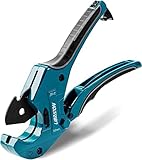
- Heavy-duty PVC pipe cutter or saw
- PVC primer and cement (for permanent bonds)
H4: Step-by-Step Directions:
- Cut the Riser Posts: Cut vertical posts (usually four corners, plus one or two middle supports) based on your desired gingerbread height (Secret 1).
- Assemble Base and Top Perimeter: Assemble the top perimeter (the roof line) and a base perimeter using the T-joints and 90-degree elbows, using PVC cement for permanent structural bonds.
- Attach Risers: Connect the top and bottom sections using the vertical riser posts, ensuring the joints are fully seated and glued.
- Reinforce: Add diagonal bracing (gussets) at high-stress joints near the cart’s roof struts to prevent lateral sway during movement.
Pro-Tip: Pre-drill small holes through high-stress T-joints and reinforce them with small screws after the cement cures; this prevents the joints from twisting under wind resistance.
3. Choosing & Attaching XPS Foam Board Cladding

Pin this essential material tip now!
H4: Materials Needed:
- 1-inch thick XPS foam insulation sheets (pink or blue)
- Construction adhesive rated for foam (must be solvent-free)
- Heavy-duty utility knife (change blades often for clean cuts)
- Caulking gun
H4: Step-by-Step Directions:
- Template and Cut: Use your planned dimensions to cut the foam board panels (sides, front, roof). Cut out windows and door shapes at this stage.
- Apply Adhesive: Run thick beads of construction adhesive along all PVC pipes where the foam cladding will make contact.
- Mount and Cure: Press the foam panel onto the PVC frame. Use long clamps, heavy-duty painter’s tape, or temporary supports to hold the foam in place for the adhesive’s full cure time (usually 12-24 hours).
- Seal Seams: Once dry, run a thin bead of construction adhesive or white caulk (Secret 4) along all exterior seams where foam panels meet to create a seamless, weatherproof barrier.
Pro-Tip: NEVER use solvent-based spray paint or contact cement directly on the foam board; the solvents will melt the material immediately. Test all adhesives on a scrap piece first.

4. The Faux Icing Technique Using Exterior Caulk

Save this clever organization idea!
H4: Materials Needed:
- Paintable white exterior acrylic caulk (silicone blend optional for extra durability)
- Heavy-duty caulking gun
- Large cake decorating pastry tips (Round tips size 10, 12, or 1A)
- Empty pastry bag or plastic Ziploc bag corner cut off (optional, if not using tips directly on caulk tube)
H4: Step-by-Step Directions:
- Prep the Caulk Tube: Fit the pastry tip securely over the opening of the caulk tube (or pipe the caulk into a pastry bag).
- Outline Edges: Begin by outlining the major structural seams, roof line, and window/door cutouts—these lines must be the straightest.
- Add Decorative Swirls: Use the caulk to add decorative details like scallops, candy swirls, and dots along the edges, applying steady pressure for consistent thickness.
- Allow Full Cure: Let the caulk cure fully (often 24-48 hours depending on humidity) before painting or applying lights near the lines.
Pro-Tip: If the caulk is too stiff to pipe easily, warm the tube slightly in a bucket of warm water for 10 minutes before use. This dramatically improves flow and reduces hand strain.

5. Scaling Up Oversized Candy Prop Fabrication

Save this clever organization idea!
H4: Materials Needed:
- Scrap pieces of 1/2 inch or 1-inch foam board
- Vibrant, exterior-grade acrylic paint set
- Clear polyurethane or exterior craft sealant
- Wooden dowels or rigid foam pieces for lollipop sticks
H4: Step-by-Step Directions:
- Sketch and Cut: Draw large, simple candy shapes (gumdrops, peppermints, round lollipops) onto the scrap foam board, scaling them up by at least 200%. Cut them out cleanly.
- Prime and Paint: Prime the foam shapes, then apply 2-3 coats of vibrant, highly pigmented acrylic paint. Allow layers to dry fully.
- Seal for Weather: Apply a generous coat of clear, exterior polyurethane sealant to both the front and back of the props to prevent moisture damage.
- Attach: Use construction adhesive to secure the props to the foam board cladding, reinforcing large, heavy props with a long wooden skewer or nail driven through the prop and into the internal PVC frame (hidden by the prop).
Pro-Tip: To create a realistic gumdrop texture, sprinkle the wet paint with coarse crystal glitter or rock salt before applying the sealant.

6. The No-Fail Gingerbread Paint & Texture System

Save this clever organization idea!
H4: Materials Needed:
- Gallon of matte finish, water-based exterior latex paint (deep chocolate brown)
- Texture additive (very fine sand, coffee grounds, or paint texturing powder)
- Large paint rollers and quality brushes
- Paint primer (optional, for dark base if using lighter paint)
H4: Step-by-Step Directions:
- Primer (Optional): If using a very pale foam board or needing maximum color opacity, apply a coat of gray water-based primer first.
- Mix the Texture: Mix your chosen texture additive into the brown latex paint (use a ratio of about 1 cup additive per gallon of paint, or follow product instructions).
- Roll the Base Coat: Apply the textured brown paint using a foam roller or wide brush. Apply thin coats, allowing the texture to settle naturally.
- Highlight Baked Edges: Use a slightly darker or redder brown paint on the edges and corners to simulate the “baked” look, adding depth and realism.
Pro-Tip: Use a cheap natural sea sponge to gently dab a slightly lighter brown or a gold metallic paint over the dried texture for a subtle ‘sugared’ or baked shimmer.

7. Safe, Separate 12V LED Lighting System

Pin this genius tips to your ‘Christmas Lighting’ board!
H4: Materials Needed:
- Warm white LED string lights (IP65 waterproof rating recommended)
- Dedicated external 12V deep cycle marine battery and plastic battery box
- Assortment of zip ties and adhesive-backed light clips
- Inline fuse holder and appropriate fuse
H4: Step-by-Step Directions:
- Choose Power Source: Secure the external 12V battery in a safe, low-vibration area (usually the back platform or floorboard, secured with straps). This isolates the decor power from the cart’s drive battery.
- Install Lights: Run the LED string lights along all major outline details (windows, icing lines, roof edges), securing the wires every 12-18 inches using zip ties or adhesive clips.
- Connect Power Safely: Wire the lighting system to the 12V battery, ensuring an inline fuse is installed between the lights and the battery terminal for surge protection.
- Conceal Wires: Tuck all excess wiring neatly behind the foam board structure or along the internal PVC frame to maintain a clean aesthetic and prevent snags.
Pro-Tip: Use LED tape lights for window edges and rooflines for a clean, seamless line of light that perfectly mimics illuminated icing.

8. Structural Reinforcement & Wind-Proofing

Save this clever organization idea!
H4: Materials Needed:
- PVC pipe scraps or small wooden dowels (for cross-bracing)
- Heavy-duty tie-down straps or thick rope
- Exterior polyurethane sealant or duct tape (for emergency sealing)
H4: Step-by-Step Directions:
- Add Internal Diagonals: Install small PVC or wood pieces diagonally across the largest, flattest sections of your frame and between vertical posts to act as cross-braces against lateral stress (wind shear).
- Secure to Cart Chassis: Use heavy-duty, adjustable clamps or tie-down straps to securely fasten the bottom perimeter of your frame directly to the golf cart’s chassis or heavy-duty rear basket supports. Do NOT rely only on the attachment to the roof struts.
- Final Seam Seal: Apply a thin layer of exterior sealant or moisture-resistant caulk over every single foam board seam and attachment hole on the roof and upper surfaces to prevent water ingress.
- Weigh the Base: Place the external battery box (Secret 7) or other heavy, low objects (like sandbags) near the floor of the cart beneath the structure to maintain a low center of gravity.
Pro-Tip: If the parade route includes hills or sharp turns, drive the cart slowly and watch the top of the structure—any visible wobble means you need more cross-bracing immediately.

9. Final Safety Check & Parade Day Checklist

Pin this critical safety step!
H4: Materials Needed:
- Emergency repair kit (roll of duct tape, zip ties, small tube of construction adhesive, utility knife)
- Walkie-talkie or mobile phone (for communicating with spotters)
- Rider costumes (e.g., gingerbread men/women)
H4: Step-by-Step Directions:
- Test Drive Validation: Drive the decorated cart slowly in tight circles, stop abruptly, and start quickly in a safe, empty area. Listen for creaking, watch for structure sway, and confirm nothing rattles loose.
- Visibility Check: Have the primary driver sit in the seat and confirm they have full, unobstructed view of the road 180 degrees forward and can easily reach all controls (steering, brake, accelerator).
- Prop Security Audit: Walk the perimeter and firmly pull on every large candy prop, light string, and structural element to verify its attachment strength. Re-secure anything that feels loose.
- Parade Day Prep: Fully charge the cart’s main battery and the external 12V decoration battery. Pack the emergency repair kit and place it on the floor for quick access.
Pro-Tip: Assign a “Structure Spotter” to ride in the cart. Their sole job is to watch the structure and call out any loose decorations or potential hazards during the parade route.

Key Takeaways: Your Quick Guide to a Gingerbread Float
| Pillar of Success | Critical Action | Key Material |
|---|---|---|
| Structural Integrity | Build a dedicated internal PVC frame (Secret 2) and secure it to the cart chassis, not just the body panels. | Schedule 40 PVC Pipe |
| Weatherproofing | Use XPS foam board and seal ALL seams with exterior caulk or construction sealant (Secrets 3 & 8). | Exterior Construction Adhesive |
| Safety Assurance | Install an isolated 12V power system for lights and ensure full driver visibility (Secrets 7 & 9). | External 12V Marine Battery |
People Also Ask About Gingerbread Golf Cart Construction
How long does a foam board gingerbread golf cart structure last outdoors?
If properly sealed and painted, an XPS foam board gingerbread structure can last for several weeks outdoors, easily covering the entire Christmas season. It is crucial to use exterior-grade, water-based paint and polyurethane sealant on all surfaces to prevent moisture absorption and UV degradation. If you plan to store and reuse the float for next 2026, a modular design (Secret 8) is mandatory.
What is the best way to attach the foam board without damaging the golf cart?
The best method is indirect attachment via an internal frame. Build the PVC frame (Secret 2) and attach the frame to the cart’s structural supports (like the roof struts or cargo bed frame) using non-destructive clamps or tie-down straps (Secret 8). The foam board is then glued only to the PVC frame, ensuring the removal of the decoration involves only unclamping the frame, leaving the cart itself undamaged.
What is a realistic budget and time commitment for a detailed float?
A highly detailed, competition-ready gingerbread float typically costs between $250 and $500 in materials (excluding lights and specialized tools) and requires 25 to 40 hours of focused labor. The major time consumers are building the internal frame and applying the detailed faux icing and hand-painted candy props (Secrets 4 and 5). Budget can be reduced by using repurposed materials like large cardboard boxes for cladding.
Can I use regular incandescent Christmas lights on the foam board?
It is strongly advised to use only LED (Light Emitting Diode) lights on the foam board structure. Incandescent bulbs generate significant heat which can melt or deform the polystyrene foam and pose a fire risk if left pressed against the material. LED lights are cool to the touch, consume far less power, and are safer for temporary structures.
Final Thoughts
By following these 9 genius secrets—prioritizing structure, safety, and strategic material selection—you have everything you need to transform your golf cart from a simple vehicle into the most whimsical, structurally sound Gingerbread House float in the August parade this 2026. Remember that a successful float is one that looks fantastic and stays completely stable from start to finish.
Which of the nine secrets are you most excited to implement first on your build? Let us know in the comments
Last update on 2026-08-29 / Affiliate links / Images from Amazon Product Advertising API
