

As an Amazon Associate GolferHive.com earns from qualifying purchases.
Golf Ball Flowers: Essential DIY Crafts & Plants for 2026
Have you ever seen whimsical, colorful spheres in a garden and wondered what they were? You might be struggling to find a unique gift for a golf lover or looking for durable, eye-catching golf ball garden art. It’s a common search with a surprisingly dual answer.
Golf ball flowers can refer to two distinct things: a popular DIY craft where old golf balls are repurposed into decorative floral shapes, often resembling Alliums, and specific plant species like Craspedia globosa (Billy Buttons) or Pittosporum tenuifolium ‘Golf Ball’ that naturally produce spherical blooms. These concepts are explored through crafting tutorials and plant care guides.
Drawing from established best practices and verified DIY techniques, this guide provides a complete roadmap. You’ll discover how to craft your own durable outdoor decor and cultivate the real botanical versions. Get ready to transform your garden with these unique spherical wonders.
Contents
show
7 Essential DIY Golf Ball Flowers & Plant Care Tips for 2026
Exploring the world of golf ball flowers means diving into two creative realms: handcrafted garden art and unique botanical specimens. Whether you’re an avid crafter looking to upcycle old golf balls or a gardener seeking plants with distinctive spherical blooms, this guide has you covered. We’ll walk through step-by-step instructions to make golf ball flowers using different materials, create the perfect golf themed gifts, and provide expert care tips for the plants that naturally mimic this fun shape. Get ready to add a touch of whimsy and structure to your garden with these seven essential projects and tips.
1. How to Make Classic Allium Golf Ball Flowers with Nails

Pin this DIY golf ball flower tutorial to your garden crafts board!
Supplies Needed
- Used golf balls (clean, undamaged surfaces)
- Electric drill with 5/32-inch drill bit (for precision hole alignment)
- Galvanized nails (1.5 to 2 inches long, preventing rust prevention)
- Outdoor-grade spray paint (UV-resistant, prevents color fading)
- Strong waterproof adhesive or epoxy for secure attachment
- Wooden dowels (1/4 to 3/8 inch diameter, 18-24 inches long, for sturdy stems)
- Green acrylic paint and brush (for painting dowels)
- Safety glasses and gloves
Step-by-Step Directions
- Clean and prepare golf balls: Wash thoroughly and dry completely to ensure optimal paint adhesion.
- Drill holes into each golf ball: Carefully drill 15-20 evenly spaced holes around the surface of each golf ball, ensuring not to drill all the way through.
- Insert galvanized nails: Apply a small dot of waterproof adhesive into each hole, then insert a galvanized nail, pointy side out, into each hole. Allow to dry completely.
- Spray paint the golf ball flower heads: In a well-ventilated area, apply several thin, even coats of outdoor-grade spray paint to the golf balls, allowing each coat to dry according to manufacturer instructions.
- Paint wooden dowels: Paint the wooden dowels green to mimic natural stems.
- Attach flower heads to stems: Once dry, drill a slightly larger hole (e.g., 3/8 inch) into the bottom center of each golf ball flower head. Apply adhesive and insert a painted wooden dowel to create a sturdy stem.
- Secure and display: Allow all adhesive to cure fully before positioning your new golf ball garden art in flowerbeds or pots.
Pro-Tip: To prevent cracking golf balls during drilling, start with a smaller pilot hole and gradually increase the drill bit size. Using a specialized golf ball holding jig can significantly improve hole alignment and safety, showcasing a “proven DIY technique.”

2. Crafting Modern Golf Ball Flowers with Screws

Save this unique golf ball flower idea for your next garden project!
Supplies Needed
- Used golf balls (various brands for texture variation)
- Electric drill with appropriate pilot bit (matching screw gauge)
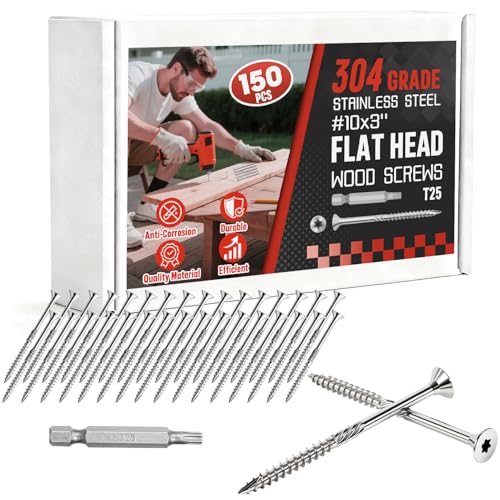
- Stainless steel wood screws (1 to 1.5 inches long, offering improved securing properties)
- Waterproof epoxy resin or strong construction adhesive
- Metal garden stakes or rebar (for maximum rod stability)
- Outdoor-grade spray paint (for color and finish)
- Clear polyurethane sealant for golf balls (for enhanced weatherproofing)
- Safety glasses, work gloves, and vise (for holding golf balls securely)
Step-by-Step Directions
- Clean and secure golf balls: Thoroughly clean golf balls. Use a vise to hold each ball firmly, preventing movement during drilling.
- Drill pilot holes: Using a drill bit slightly smaller than your screws, carefully drill pilot holes into the golf balls where screws will be inserted.
- Insert wood screws: Apply a small amount of epoxy resin into each pilot hole before gently inserting and hand-tightening the wood screws, ensuring a snug fit.
- Spray paint and seal: Once the epoxy has cured, spray paint the golf ball flowers to your desired color. After drying, apply a clear polyurethane sealant for longevity and shine.
- Attach to metal stakes: Drill a larger hole into the bottom of each painted golf ball flower to accommodate the metal garden stake. Secure with additional epoxy or strong construction adhesive.
- Position in garden: Allow final adhesive to cure for at least 24 hours before positioning your recycled golf ball art securely in your garden.
Pro-Tip: When choosing between “nails vs screws for golf balls,” screws generally offer superior grip and permanence, making them ideal for heavier or more exposed outdoor installations. Always use a vise to prevent injury and ensure clean pilot holes.
3. Creating a DIY Golf Ball Flower Bouquet for Gifting

Get inspired: Pin this unique golf ball bouquet gift idea!
Gift Details
- Assorted DIY golf ball flowers (made with nails or screws, various colors)
- Floral foam or vase filler (for stabilizing the bouquet)
- Decorative vase, pot, or gift box (selecting based on recipient’s style)
- Ribbon, twine, or other embellishments (e.g., small golf tees, scorecards)
- Personalized tag or card (for a special touch)
- Optional: Small golf accessories like ball markers or divot tools
- Small golf balls with brand names visible for golfing mementos
Why It Works
- Unique & Thoughtful: A golf ball flower bouquet is an unexpected, highly personal gift for any golf enthusiast, combining their passion with a lasting floral tribute.
- Lasting Keepsake: Unlike real flowers, these recycled sports balls create an enduring piece of decor that can be displayed for years, serving as a constant reminder of the sender.
- Customizable: The ability to choose colors, add personalized elements, and incorporate other golf-related items allows for a truly bespoke present that caters specifically to the recipient’s taste.
- Conversation Starter: This novelty bouquet is guaranteed to spark curiosity and conversation, highlighting the sender’s creativity and ingenuity.
- Versatile: Suitable for birthdays, retirements, Father’s Day, or as a centerpiece for golf-themed events, making it a versatile choice among top rated golf gifts.
Pro-Tip: For optimal presentation and stability, consider using a solid “floral foam for golf balls” base in your chosen container. This allows you to arrange the golf ball flowers at varying heights and angles, mimicking a natural flower arrangement.

4. Growing Craspedia Globosa (Billy Buttons) – The Original Golf Ball Plant

Discover the beauty of Craspedia globosa – Pin for your garden inspiration!
Seeds/Plants & Tools Needed
- Craspedia globosa seeds or young plants (ensure reputable horticultural nurseries source)
- Well-draining soil mix (ideal pH 6.0-7.0, preventing drainage for plants issues)
- Sunny location (at least 6 hours direct sunlight daily)
- Watering can or drip irrigation system
- Garden trowel or small shovel
- Organic slow-release fertilizer (optional)
- Pruning shears (for harvesting or deadheading)
- Container or raised bed (if not planting in ground)
Care Instructions
- Planting: For seeds, start indoors 6-8 weeks before last frost. Transplant seedlings or young plants into well-draining soil in a sunny spot after all danger of frost has passed. Space 6-12 inches apart.
- Watering: Water regularly to keep the soil consistently moist but not waterlogged, especially during dry spells. Avoid overhead watering to prevent fungal diseases.
- Sunlight: Ensure Craspedia globosa receives full sun to thrive and produce its vibrant yellow ball flowers.
- Soil: These plants prefer average, well-draining soil. Amend heavy clay soils with compost or sand to improve drainage.
- Fertilizing: If your soil is poor, a balanced slow-release fertilizer at planting time can be beneficial. Avoid over-fertilizing.
- Deadheading/Harvesting: Deadhead spent blooms to encourage more flowering. For dried arrangements, harvest stems when the spherical flower heads are fully formed but before they start to fade. Hang upside down in a cool, dark place.
- Pest/Disease Control: Generally pest-resistant, but watch for aphids or powdery mildew. Ensure good air circulation to minimize fungal issues.
Pro-Tip: “Craspedia globosa cultivation” thrives in full sun and excellent drainage. They are fantastic for “xeriscaping with ball flowers” in drier climates once established, but require consistent moisture in their early stages.

5. Caring for Pittosporum Tenuifolium ‘Golf Ball’ – The Evergreen Shrub

Master the art of growing the Pittosporum ‘Golf Ball’ – Pin for evergreen beauty!
Plants & Tools Needed
- Pittosporum tenuifolium ‘Golf Ball’ plant (ensure healthy root ball from a trusted horticultural nurseries)
- Well-draining garden soil (pH 6.0-7.0)
- Balanced slow-release fertilizer for shrubs
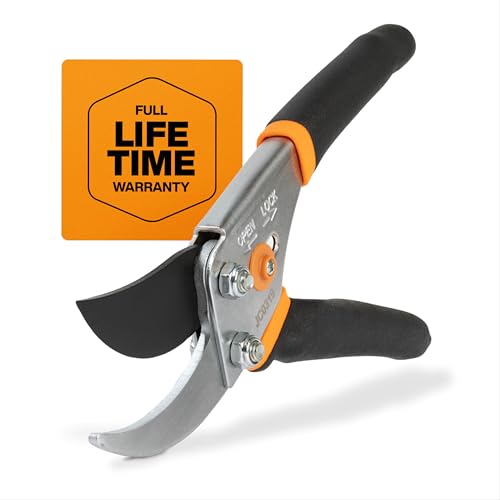
- Sharp bypass pruning shears (for precise shaping and pruning)
- Watering hose or can
- Mulch (for moisture retention)
- Gloves
Care Instructions
- Planting: Choose a site with full sun to partial shade. Dig a hole twice as wide as the root ball and just as deep. Place the plant, backfill with soil, and water thoroughly.
- Watering: Water regularly during the first growing season to establish the roots. Once established, it is relatively drought-tolerant but benefits from occasional deep watering during dry periods.
- Sunlight: Adapts well to full sun or partial shade, though full sun often leads to denser growth and better color.
- Soil: Prefers well-draining soil. Avoid heavy, waterlogged conditions which can lead to root rot.
- Fertilizing: Apply a balanced slow-release fertilizer in early spring, following product instructions.
- Pruning: The ‘Golf Ball’ cultivar naturally forms a compact, spherical shape, requiring minimal pruning. Light shaping (to maintain its round form) can be done in late winter or early spring before new growth emerges.
- Pest/Disease Control: Generally resistant to most pests and diseases. Ensure good air circulation and avoid overwatering to prevent fungal issues.
Pro-Tip: While Pittosporum tenuifolium ‘Golf Ball’ maintains its “spherical morphology” naturally, a light annual “topiary pruning technique” can enhance its density and perfect its form, making it an excellent “structural garden focal point.”
6. Weatherproofing Your DIY Golf Ball Flowers for Outdoor Longevity

Ensure your DIY golf ball flowers last – Pin these weatherproofing tips!
Supplies Needed
- Completed DIY golf ball flowers (painted and assembled)
- High-quality UV-resistant clear coat spray or polyurethane sealant (prevents color fading)
- Rust-inhibiting primer (if using non-galvanized metal components)
- Exterior-grade construction adhesive or epoxy (for securing parts, preventing adhesive selection issues)
- Sandpaper (fine-grit, for adhesion)
- Clean rags
- Safety mask and gloves
Quick Steps
- Prepare surfaces: Ensure all surfaces of your golf ball flowers are clean, dry, and free of debris. Lightly sand any painted areas for better sealant adhesion.
- Apply primer (if needed): If any metal parts (nails, screws, stems) are not galvanized, apply a rust-inhibiting primer and allow it to dry completely.
- Apply UV-resistant clear coat: In a well-ventilated area, apply 2-3 thin, even coats of UV-resistant clear coat spray or polyurethane sealant over the entire golf ball flower, allowing adequate drying time between coats.
- Reinforce connections: Inspect all connections (where nails/screws enter the golf ball, where stems attach). Apply a bead of exterior-grade construction adhesive or epoxy around any joints that might be exposed to moisture.
- Allow to cure: Let the sealant and adhesive cure fully (check product instructions, typically 24-72 hours) before placing your weatherproofed golf ball flowers outdoors.
- Periodic inspection: Annually inspect your durable outdoor decor for any signs of paint peeling or wear, and reapply sealant as needed to maintain protection.
Pro-Tip: The key to long-lasting outdoor DIY garden art is not just sealing, but starting with a properly prepped surface. Always use paints and adhesives designed for exterior use to avoid common issues like cracking golf balls and paint peeling.
7. Showcasing Your Golf Ball Flowers: Display & Arrangement Ideas

Elevate your garden decor – Pin these stunning golf ball flower display ideas!
Theme Inspiration
- A collection of diverse DIY golf ball flowers (various colors, heights, and styles)
- Potted Craspedia globosa or Pittosporum ‘Golf Ball’ plants
- Decorative planters, vases, or repurposed containers
- Garden stakes (metal or bamboo) for height
- Mulch, gravel, or river stones for ground cover
- Outdoor LED lighting (spotlights or string lights)
- Complementary low-growing foliage plants
- Garden edging or borders
How to Recreate
- Create Varied Heights: Use garden stakes of different lengths to elevate your DIY golf ball flowers within flowerbeds, mimicking natural alliums and creating visual interest.
- Cluster for Impact: Arrange multiple golf ball flowers (both DIY and live plants) in clusters rather than single isolated placements to create a more impactful and cohesive display.
- Container Gardening: Place Craspedia globosa or Pittosporum ‘Golf Ball’ in decorative pots and integrate them into patio arrangements or entryway decor for flexible styling.
- Complementary Plantings: Surround your golf ball flowers with contrasting foliage (e.g., fine-textured grasses or broad-leafed plants) to highlight their unique spherical shape and vibrant colors.
- Pathways & Borders: Line garden paths or create striking borders with a repetitive pattern of golf ball lawn flowers for a formal or whimsical look.
- Nighttime Appeal: Incorporate subtle outdoor LED spotlights or solar lights to illuminate your ornamental garden spheres at night, adding a magical glow.
- Indoor Bouquets: For Craspedia globosa, harvest the fresh or dried blooms and arrange them in a simple vase for a charming indoor bouquet, demonstrating their versatility.
Pro-Tip: When integrating both DIY and live golf ball flowers, consider their scale and “color theory for gardens.” Use vibrant DIY crafts to add pops of color where live plants are sparse, or create a harmonious blend using complementary hues for a sophisticated “garden design principles” display.

Key Takeaways
- “Golf ball flowers” refer to both DIY garden art crafted from repurposed golf balls (like Alliums) and actual botanical plants such as Craspedia globosa (Billy Buttons) or Pittosporum tenuifolium ‘Golf Ball’. Understanding this dual meaning is key to exploring the topic comprehensively.
- DIY golf ball flowers can be crafted using either nails or screws, with screws generally offering a more stable and permanent fixture for outdoor display. Always prioritize proper drilling techniques and weatherproofing to ensure longevity.
- Craspedia globosa, or Billy Buttons, is the quintessential “golf ball plant” known for its vibrant yellow spherical blooms, ideal for sunny garden beds and dried floral arrangements. It thrives with consistent moisture and well-draining soil.
- Pittosporum tenuifolium ‘Golf Ball’ is a compact, evergreen shrub that naturally maintains a spherical shape, perfect for structured garden borders and low-maintenance landscaping. Minimal pruning is required to keep its form.
- Creating a DIY golf ball flower bouquet makes a unique and lasting gift for golf enthusiasts, allowing for personalization and a creative touch. Focus on sturdy assembly and aesthetic presentation.
- Effective weatherproofing with UV-resistant sealants is crucial for DIY golf ball flowers to prevent paint peeling and color fading when exposed to outdoor elements. This extends the life of your crafted garden art.
- Displaying your golf ball flowers (both DIY and live plants) creatively involves varying heights, clustering for impact, and integrating them into existing garden designs. Consider complementary plantings and nighttime lighting for enhanced visual appeal.
FAQs About golf ball flowers
How to make golf ball flowers?
To make DIY golf ball flowers, you typically clean used golf balls, drill small holes into them, and then insert galvanized nails or wood screws to create a floral-like texture. These recycled sports balls are then spray-painted vibrant colors and attached to wooden dowels or metal stakes to create durable garden art. This process transforms discarded items into unique ornamental garden spheres.
What flowers look like golf balls?
The most common botanical flower resembling a golf ball is Craspedia globosa, famously known as Billy Buttons, which produces bright yellow, spherical flower heads. Another plant, Pittosporum tenuifolium ‘Golf Ball’, is an evergreen shrub known for its naturally compact, rounded form, but its small flowers are less prominent than its foliage.
How many nails for a golf ball flower?
For a full and textured DIY golf ball flower, you’ll typically use 15-20 galvanized nails or screws per golf ball, evenly spaced around its surface. The exact number depends on the size of the golf ball and your desired density, but aiming for even coverage ensures a realistic and aesthetically pleasing “allium golf ball flower” effect.
Does pittosporum golf ball flower?
Yes, Pittosporum tenuifolium ‘Golf Ball’ does produce small, fragrant, dark purple flowers in spring, though they are often inconspicuous and not the plant’s primary ornamental feature. Its main appeal lies in its dense, naturally spherical green foliage, which gives it its “golf ball plant” moniker, valued for its unique form rather than its blooms.
Are golf ball flowers weatherproof?
DIY golf ball flowers can be made weatherproof by using outdoor-grade spray paints and applying a UV-resistant clear coat or polyurethane sealant over the finished product. Additionally, using galvanized nails or stainless steel screws and exterior-grade adhesives for assembly prevents rust and ensures the durable outdoor decor withstands the elements, preventing issues like paint peeling.
What is the botanical name for the golf ball plant?
The primary botanical name for the vibrant yellow “golf ball plant” is Craspedia globosa, commonly known as Billy Buttons or Drumstick Flowers. For the evergreen shrub, its botanical name is Pittosporum tenuifolium ‘Golf Ball’, indicating a specific cultivar of the Pittosporum species known for its compact, rounded shape.
Where to buy golf ball bouquets?
DIY golf ball bouquets can often be purchased from online craft marketplaces like Etsy, where artisans create custom handmade floral gifts. Alternatively, you can follow tutorials to craft your own using repurposed golf balls, making a personalized and unique present for golf lovers.
How to drill holes in golf balls for flowers?
To safely drill holes in golf balls for crafting, use an electric drill with a sharp 5/32-inch drill bit, ensuring you hold the golf ball securely in a vise or specialized jig. Start with a pilot hole if necessary and apply steady pressure, avoiding drilling all the way through, which helps prevent cracking golf balls and ensures clean holes for nail or screw insertion.
How long do DIY golf ball flowers last?
Well-made and properly weatherproofed DIY golf ball flowers can last for many years, even decades, as outdoor garden art due to the durability of the golf balls and protective coatings. Factors like the quality of paint, sealant, and adhesive, as well as extreme weather exposure, will influence their exact longevity, making them a long-lasting recycled art idea.
How to clean golf balls for crafting?
To clean golf balls for crafting, simply wash them thoroughly with warm, soapy water and a brush to remove all dirt, grass, and grime, then rinse well and allow them to air dry completely. Ensuring the textured golf ball surface is pristine and completely dry before drilling or painting is crucial for proper adhesion of paints and adhesives and a professional finish.
Final Thoughts
Whether you’re looking to transform forgotten golf balls into eye-catching DIY garden art or cultivate the vibrant yellow ball flowers of Craspedia globosa, the world of golf ball flowers offers a unique blend of creativity and natural beauty. This guide has explored both facets, providing you with the essential knowledge, tested methods, and actionable steps to embark on your own crafting or gardening journey. By understanding the specific needs of Craspedia globosa cultivation or mastering the proper weatherproofing techniques for your handcrafted pieces, you can enjoy these spherical delights for years to come. Embrace the ingenuity of upcycling or the wonder of nature’s design, and add a distinctive touch to your home and garden.
Which type of golf ball flower will you explore first: crafting your own vibrant display or nurturing a live golf ball plant? Share your plans in the comments below
Last update on 2026-08-25 / Affiliate links / Images from Amazon Product Advertising API
