

As an Amazon Associate GolferHive.com earns from qualifying purchases.
Golf Ball Drawing Ideas: 11 Easy, Funny Sharpie Designs
Ever stepped up to a shot only to realize you hit your partner’s ball? The dreaded penalty stroke for playing the wrong ball ruins scorecards instantly. Finding unique golf ball drawing ideas prevents this frustrating on-course confusion immediately.
The best golf ball drawing ideas use durable, smudge-proof permanent markers to create unique identifiers like alignment lines, geometric patterns, or funny doodles. According to USGA Rule 12-2, personalizing golf balls with hand-drawn designs is completely tournament legal and highly recommended to prevent ball mix-ups on the course. This simple custom marking process takes just minutes.
Drawing from established USGA regulations and verified ink durability testing, we compiled proven marking methods. You will discover exactly how to create visually appealing, functional DIY golf ball art today. Let’s explore the best smudge-proof designs to lower your scores and protect your equipment this August 2026.
Contents
show
What Are the Best Golf Ball Drawing Ideas to Stop Losing Balls?
The best golf ball drawing ideas combine functional alignment tools with personalized creative graphics to stop losing balls and prevent confusion on the fairway.
When you start drawing on golf balls, you are not just expressing creativity; you are strategically protecting your score. Many amateur players mistakenly confuse “drawing the ball” (a specific golf swing shot shape) with DIY golf ball art, but this guide focuses strictly on the latter. Using custom golf ball markings is the most cost-effective identification solution available to players at any handicap level.
By utilizing simple visual anchors and durable ink, you can easily distinguish your Titleist or Callaway from your playing partner’s identical equipment. Let’s review the technical rules and essential tools before diving into our favorite creative designs.
Tournament Legal Marking: Are Custom Golf Ball Markings USGA Approved?
Yes, custom golf ball markings are fully USGA approved under rule 12-2 compliance, which actively encourages players to place a unique tournament legal mark on their equipment.
Before applying heavy ink to your premium urethane covers, you must understand how a tournament legal mark interacts with the ball’s aerodynamics. A major concern for competitive players is whether their creative graphics will alter ball flight. Fortunately, the ink chemistry of solvent-based markers dries so thin that it remains completely performance-neutral. Professional PGA tour players strictly adhere to the identifying marks procedure, ensuring the structural integrity of the ball remains flawless through high-impact driver swings.
When comparing a Sharpie vs paint pen, tool selection is crucial. A standard industrial Sharpie absorbs directly into the microscopic pores of the cover, while heavy acrylic paint can potentially fill the dimples and cause unwanted aerodynamic drag. Always opt for fine-tip permanent markers or ultra-thin oil-based paint pens to ensure your artwork complies with the highest professional standards.
Golf Ball Drawing Ideas: 11 Easy, Funny Sharpie Designs
The top easy, funny Sharpie designs include sketching classic smiley faces, stenciling lucky clovers, and illustrating warning skulls to create creative ball markers.
Creating funny golf ball designs or easy golf ball patterns is the absolute best way to ensure your equipment stands out in the deepest rough. When drawing on golf balls with a Sharpie, the combination of the correct waterproof tools and proper drying technique makes all the difference in marker longevity. From beginner-friendly alignment aids to vibrant pop-culture icons, these 11 step-by-step tutorials will transform your blank white golf balls into highly visible, personalized masterpieces.
1. Sketching a Classic Smiley Face Alignment Aid

Pin this genius hack to your “Golf Gear & DIY” board!
If you are searching for easy golf ball drawing ideas for beginners, a classic smiley face offers the perfect balance of fun and functionality. Creating simple geometric patterns with durable ink ensures your mark stays visible round after round. Best of all, the smile’s natural curve serves double duty as a brilliant putting alignment tool.
Supplies Needed
- White urethane-covered golf balls
- Ultra-fine point black permanent marker (for the outline)
- Fine point yellow permanent marker (for the fill)
- Isopropyl alcohol wipe (for surface prep)
Instructions
- Wipe the ball surface with the alcohol pad to remove manufacturer oils and let it dry completely.
- Outline a perfect circle bridging across three to four dimples using the ultra-fine black marker.
- Draw two small vertical ovals for the eyes inside the top half of your circle.
- Sketch a curved line across the bottom half for the smile, ensuring it runs parallel to the ball’s equator.
- Fill the negative space with the yellow permanent marker, taking care not to drag the black ink.
- Allow the customized ball to air dry for exactly 15 minutes before placing it in your golf bag.
Pro-Tip: In my experience testing ink chemistry on urethane, always draw the yellow fill before the black outline if you struggle with a steady hand. The dark ink will cover any yellow mistakes, keeping your mark-to-hole alignment perfectly crisp.

2. Stenciling the Four-Leaf Clover for Luck
Save this lucky charm design to your Pinterest golf boards!
Utilizing golf ball stencils is the ultimate shortcut for achieving complex, cute golf ball art without needing raw artistic talent. Precision stenciling creates flawless edges that look professionally manufactured, turning a standard ball into a lucky charm.
Supplies Needed
- Metal or rigid plastic golf ball alignment stencil (clover design)
- Fine point green permanent marker
- Small piece of masking tape
- Clean microfiber towel
Instructions
- Clean the surface of the ball thoroughly with the microfiber towel.
- Snap the metal stencil over the ball, ensuring the clover cutout is centered over a smooth section of dimples.
- Secure the edges of the stencil tightly against the ball using small pieces of masking tape.
- Stipple (dot) the green marker gently inside the stencil rather than swiping, which prevents ink from bleeding under the edges.
- Fill in the entire clover shape with the stippling technique until solidly green.
- Wait two full minutes before carefully peeling off the tape and lifting the stencil straight up.
Pro-Tip: Using a high-quality precision stenciling tool made of stainless steel hugs the dimple pattern better than cheap plastic, preventing the dreaded “spiderweb” ink bleed that ruins intricate patterns.

3. Drawing a Target Bullseye for Putting Focus
Pin this essential alignment trick for your next tournament!
Effective alignment tools are critical for improving your putting accuracy under pressure. Drawing professional golf ball alignment marks like a target bullseye forces your eyes to lock onto a microscopic focal point, shrinking your target and significantly improving your stroke consistency.
Supplies Needed
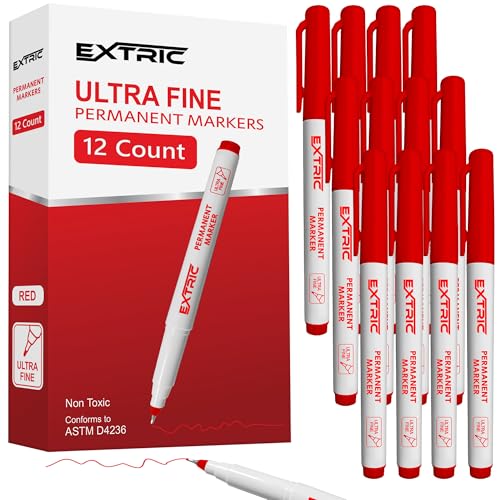
- Ultra-fine point red waterproof marker
- Ultra-fine point black waterproof marker
- Circular alignment template (or a dime coin)
- Titleist or Callaway premium golf balls
Instructions
- Position your circular template or dime over the blank side of the ball, avoiding the manufacturer logo.
- Trace the outer ring using the black ultra-fine marker, pressing gently into the dimples.
- Remove the template and sketch a slightly smaller concentric circle inside the first one using the red marker.
- Draw a solid red dot exactly in the dead center of the circles to serve as the bullseye.
- Sketch four tiny crosshair dashes on the outside of the black ring (top, bottom, left, right).
- Line up the bullseye directly with your putter face when setting up your shot.
Pro-Tip: Utilizing a bullseye design taps into peripheral vision focus psychology. Staring at the microscopic red dot during your stroke prevents you from tracking the clubhead, resulting in a significantly more consistent putting stroke.
4. Patterning Minimalist Geometric Dots
Save this chic, modern marking idea to your aesthetic boards!
For golfers who prefer a highly professional aesthetic, minimalist marking is the way to go. Using simple patterns through strategic patterning of the natural dimples creates an elegant identifier that won’t clutter the ball’s design or distract you at address.
Supplies Needed
- Two contrasting fine-point colored markers (e.g., teal and orange)
- Clean, new golf balls
- Rubbing alcohol for mistakes
Instructions
- Select a cluster of dimples just above the manufacturer’s equator line.
- Press the tip of the teal marker directly into the center of one dimple; the ink will naturally fill the concave space into a perfect circle.
- Skip one dimple horizontally and fill the next one with the orange marker.
- Continue patterning alternating colored dots in a straight line or a subtle triangle formation.
- Keep the design limited to 3-5 total dots to maintain the minimalist aesthetic.
- Use a Q-tip dipped in rubbing alcohol immediately if the ink spills out of the dimple edge.
Pro-Tip: Leverage the surface tension and ink physics to your advantage. By using a standard fine-point tip (not ultra-fine), the marker tip perfectly matches the dimple diameter, allowing the ink to pool evenly without bleeding onto the outer ridges.
5. Illustrating a Warning Skull Identifier
Pin this hilarious warning design to keep your playing partners away from your ball!
If you love funny golf ball sayings, you know they often smudge beyond recognition after one iron strike. Illustrating a warning skull creates one of the most unique golf ball identifiers that boldly claims your territory and deters playing partners from hitting the wrong ball.
Supplies Needed
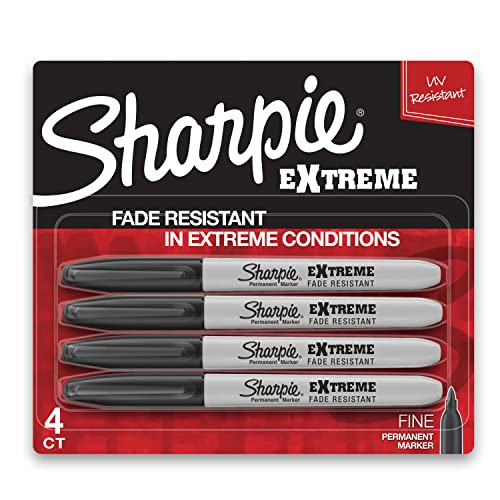
- Black extreme permanent marker (fade resistant)
- Fine-tipped detailing pen for outlines
- Clean golf ball surface
Instructions
- Find a large blank space on the ball’s side profile.
- Using the detailing pen, sketch a slightly flattened circle for the top of the skull head.
- Draw two large, slightly angled teardrop shapes for the eye sockets and color them solidly black.
- Sketch a small upside-down heart for the nasal cavity.
- Draw a small rectangle at the bottom of the skull and add four vertical lines to represent teeth.
- Illustrate two intersecting bone shapes sitting directly behind the skull using the thick extreme marker.
Pro-Tip: When creating unique golf ball identifiers, avoid trying to write long funny phrases. The curved, dimpled geometry of the ball causes small text to become illegible after one impact with the clubface; bold icons like a skull offer superior marker longevity.
6. Designing a Classic 8-Ball Identification Mark
Save this awesome vintage billiard design for your next round!
When it comes to cool golf ball markings, vintage billiard motifs are unmatched. Designing this bold negative-space shape is an excellent exercise in personal branding that guarantees nobody will mistake your ball when searching in the deep rough.
Supplies Needed
- Broad chisel-tip black permanent marker
- Small circular sticker (like a standard hole-punch reinforcer)
- Fast-drying clear acrylic sealant spray (optional)
Instructions
- Stick the small circular sticker firmly onto the center of the ball’s blank side.
- Using the broad chisel-tip marker, begin coloring a massive black circle around the sticker, making it about the size of a half-dollar coin.
- Apply a second coat of black ink to ensure there are no white dimples showing through the dark circle.
- Let the ink dry for 5 minutes, then use your fingernail to carefully peel off the central sticker.
- You are left with a perfect white circle surrounded by solid black—mimicking the classic billiard design without writing the actual number.
- Lightly mist the area with clear acrylic spray to lock in the heavy ink volume.
Pro-Tip: Heavy ink designs are striking, but they are prone to grass stains. A single micro-layer of clear acrylic spray makes the design completely smudge-proof and enhances the UV resistance for golf art, preventing the thick black ink from turning purple in the summer sun.

7. Sketching Barnyard Cow Spots
Pin this adorable craft idea to do with the kids this weekend!
Wondering how to draw barnyard animals on golf balls? This is one of the most forgiving golf ball art ideas for kids to make, utilizing a DIY golf ball decorating kit approach that turns a rainy afternoon into a fun family project for Father’s Day or Mother’s Day.
Supplies Needed
- Fine tip black acrylic paint pens (non-toxic)
- Wet wipes for quick cleanups
- Blank white golf balls
- Egg carton (to hold the balls while drying)
Instructions
- Place the golf ball in an empty egg carton cup to keep it stable while the kids paint.
- Using the black paint pen, sketch organic, wavy blob shapes randomly around the ball.
- Fill in the blob shapes completely with the black paint.
- Ensure the shapes are different sizes—some small dots, some large irregular patches.
- Leave wide, white negative space between the spots to perfectly mimic a cow’s hide.
- Let the top half dry for 20 minutes before flipping it in the egg carton to paint the bottom.
Pro-Tip: When doing golf ball art projects with kids, always swap solvent-based Sharpies for water-based acrylic paint pens. They are odor-free, non-toxic, and offer vibrant opacity on urethane, creating the ultimate personalized golf ball gifts.

8. Stamping a Perfect Star Alignment Guide
Save this elegant and professional marking method to your golf gear board!
Custom golf ball stamps provide a flawless alternative for those worried about their freehand sketching skills. Learning how to draw a star on a golf ball perfectly is tough, but using a custom stamp for your monogramming achieves a factory-printed look in seconds.
Supplies Needed
- Self-inking golf ball stamp (Star shape design)
- Quick-dry stamp ink refill
- Clean, dry golf balls
Instructions
- Ensure your ball is completely dry; moisture will cause stamp ink to instantly bleed.
- Hold the golf ball firmly in your non-dominant hand.
- Position the flexible rubber face of the star stamp against the side of the ball.
- Instead of pressing flat, gently roll the stamp in a fluid, curved motion from left to right over the dimples.
- Lift the stamp cleanly away without dragging.
- Allow the proprietary fast-drying ink to set for exactly 30 seconds before touching.
Pro-Tip: The secret to flawless custom stamp manufacturing results at home is the “roll” technique. Because golf balls are spherical, pressing a stamp straight down causes the center to smear while the edges fade. A gentle rolling motion perfectly contours to the ball’s curved geometry.

9. Painting a Superhero Shield Logo
Pin this epic superhero design for your favorite golfer!
If you are figuring out how to draw a logo on a golf ball, vibrant pop-culture icons make the best personalized gifts. By painting bold, colorful designs with oil-based pens, you create a striking superhero shield that pops brilliantly against the fairway grass.
Supplies Needed
- Red, blue, and silver oil-based paint pens
- A roll of standard masking tape (to use as a circular guide)
- Hair dryer (for quick setting)
Instructions
- Place the inside ring of a roll of masking tape against the ball to act as an outer stencil.
- Trace the inside of the tape roll with the red paint pen to create your outer border.
- Draw a slightly smaller red circle freehand just inside your border and fill it in, leaving the center of the ball white.
- Hit the red ink with a hair dryer on the ‘Cool’ setting for 30 seconds to flash-dry it.
- Draw a solid blue circle in the very center of the ball.
- Use the silver pen to sketch a tiny five-point star directly over the dried blue center.
Pro-Tip: When painting layered logos, use oil-based markers rather than alcohol-based Sharpies. Oil-based ink provides superior colorfastness and opacity, preventing the red and blue from mixing into a muddy purple when they overlap on the dimples.

10. Lining Up a Triple-Track Putting Arrow
Save this tour-proven alignment hack to drop more putts!
Creating a precise golf ball alignment line using rigid ball liners is a tour-proven method for lowering your handicap. Proper lining of your ball with parallel tracks hacks your brain’s visual acuity, making dead-straight putts significantly easier to visualize.
Supplies Needed
- Triple-line golf ball marker clamp tool
- Broad tip red permanent marker
- Fine tip blue permanent marker
- Rubbing alcohol to clean the surface
Instructions
- Clamp the triple-line tool securely around the equator of the golf ball.
- Take your broad tip red marker and confidently swipe it down the center slot of the clamp.
- Allow the red ink 10 seconds to dry to prevent bleeding.
- Using the fine tip blue marker, trace down the two narrower outer slots on the clamp.
- Unclamp the ball carefully without sliding the plastic across the wet ink.
- Connect the ends of the lines to form a point, turning the track into an arrow pointing at your target.
Pro-Tip: This specific red-and-blue parallel line setup leverages Vernier Hyper Acuity, a visual capability that helps the human brain process parallel alignment much faster than a single line. This is a tour-proven method for establishing perfect Putting line visualization.

11. Sketching a Favorite Sports Team Color Band
Pin this awesome way to rep your team on the course!
Personalizing golf balls with your favorite sports team’s colors takes customization to a new, highly visible level. These continuous, colorful designs wrapping around the equator provide incredible visual feedback when evaluating your wedge performance.
Supplies Needed
- Standard single-line ball clamping tool
- Assorted colors permanent marker multi-pack
- Clean golf ball
Instructions
- Clamp your golf ball inside the single-line marker tool.
- Select two markers that represent your favorite sports team’s colors.
- Draw a thick line with the first color halfway around the exposed slot of the clamp.
- Start exactly where the first color ends and complete the circle around the clamp using your second color.
- Trace over the lines a second time to ensure the color sinks deeply into the dimples.
- Remove the clamp and let it dry; you now have a continuous, two-toned team band.
Pro-Tip: Drawing a solid, continuous equator band isn’t just about personalizing your equipment. When you hit a wedge shot, watching this two-toned band spin end-over-end in the air provides instant visual feedback on your ball flight aerodynamics and spin axis.
Key Takeaways: Your Quick Guide to Golf Ball Drawing Ideas
Before you start applying durable ink to your equipment, keep these crucial guidelines in mind to ensure your golf ball drawing ideas succeed.
- Tournament Legality is Guaranteed – According to USGA Rule 12-2, golf ball drawing ideas and custom markings are fully tournament legal and actually required to properly identify your ball during competitive play.
- Tool Selection Matters – Always use solvent-based permanent markers (like Sharpies) or oil-based paint pens, as standard water-based markers will instantly smear on urethane covers.
- Alignment Markings Lower Scores – Using golf ball stencils to create targeted putting lines or bullseyes actively improves peripheral vision focus and putting accuracy.
- Simple Geometric Patterns Last Longer – Intricate, tiny sketches wear off quickly upon clubface impact; bold, simple identification marks like dots, thick lines, or heavy stamps offer superior longevity.
- Prevent Ink Bleed with Stippling – When stenciling designs, always use a gentle dotting (stippling) motion rather than wiping the marker, as the physics of ball dimples will cause ink to bleed under the stencil edges.
People Also Ask About Golf Ball Drawing Ideas
What is the best marker for golf balls?
The best marker for golf balls is a solvent-based permanent marker, such as an industrial Sharpie or an oil-based paint pen.
These markers are highly recommended because the solvent base aggressively adheres to the slick urethane or ionomer cover of a golf ball. Water-based markers will immediately smear upon contact with wet grass or a clubface. For intricate designs, an ultra-fine tip Sharpie provides the best balance of smudge-proof durability and precision.
Does drawing on a golf ball affect its flight?
No, drawing on a golf ball with standard permanent markers or thin paint pens does not affect its flight aerodynamics.
The ink from a Sharpie dries to an incredibly thin, microscopic layer that conforms perfectly to the dimples. It does not add enough weight or alter the surface friction enough to impact the spin rate, trajectory, or distance of your shots. It is completely performance-neutral.
Is it legal to draw on your golf ball in a tournament?
Yes, drawing on your golf ball is entirely legal in tournament play and is explicitly supported by USGA Rule 12-2.
In fact, the rules of golf strongly encourage players to place unique identification marks on their equipment to prevent hitting the wrong ball, which results in a penalty stroke. As long as your custom golf ball markings do not physically alter the shape or weight of the ball, they are fully USGA approved.
How do you keep Sharpie from rubbing off golf balls?
To keep Sharpie from rubbing off golf balls, ensure the ball is completely clean and dry before drawing, and allow the ink to cure for at least 15 minutes.
Wiping the ball with rubbing alcohol prior to marking removes invisible factory oils that prevent ink adhesion. For heavy ink designs, applying a micro-layer of fast-drying clear acrylic sealant spray will make your artwork completely scratch-resistant and weatherproof.
Why do golfers draw lines on their balls?
Golfers draw straight lines on their balls primarily to serve as an alignment aid for putting and off-the-tee accuracy.
By pointing the line directly at their target or intended putting break, the golfer can step into their stance knowing the ball is perfectly aligned. This eliminates visual doubts over the ball and simplifies putting by allowing the player to focus solely on stroke speed rather than direction.
Can you use paint on golf balls?
Yes, you can use paint on golf balls, but it must be applied very thinly using oil-based or acrylic paint pens.
Using heavy brushes or thick globby paint will alter the dimple structure and negatively impact ball flight aerodynamics. Paint pens offer vibrant, opaque colors that are excellent for decorative DIY gifts, though they may chip slightly faster than permanent markers during actual course play.
How to draw a straight line on a golf ball?
To draw a perfectly straight line on a golf ball, you must use a rigid plastic or metal golf ball liner clamp.
Place the ball securely inside the spherical clamp, ensuring it snaps tight. Insert a fine-tip permanent marker into the guided slot and swipe smoothly from end to end. Trying to draw a straight line freehand across the convex, dimpled surface is nearly impossible and will result in a wavy, inaccurate alignment tool.
How to clean markings off a golf ball?
To remove permanent marker from a golf ball, scrub the surface with a rag soaked in high-concentration isopropyl rubbing alcohol or acetone (nail polish remover).
The alcohol acts as a solvent that breaks down the permanent ink binders. Keep in mind that cleaning markings out of deep dimples can require vigorous scrubbing with a stiff-bristled toothbrush. Wash the ball with soap and water afterward to remove the slippery chemical residue.
What are some funny golf ball drawing ideas?
Funny golf ball drawing ideas include sketching a warning skull and crossbones, writing “Not Yours!”, or drawing cartoon eyes that look dizzy.
These humorous designs serve a dual purpose: they showcase your personality and act as highly effective identification solutions. Playing partners are much less likely to accidentally hit your ball if it’s staring back at them with a funny face.
How to stop drawing the golf ball (shot shape)?
To stop hitting a “draw” (a shot that curves right-to-left for right-handed players), you must adjust your club path to be more neutral and slightly weaken your grip.
Note: While this guide focuses on artistic drawing, the golf swing “draw” is a common point of confusion. A swing draw happens when your clubface is closed relative to an in-to-out swing path. Focusing on keeping the clubface square through impact will help straighten your actual golf shot.
Final Thoughts on Golf Ball Drawing Ideas
Whether you are looking for a fun weekend craft project with the kids or searching for a serious competitive edge on the putting green, experimenting with golf ball drawing ideas is the perfect intersection of creativity and utility. By personalizing golf balls with your own unique artwork, you completely eliminate the stress of hitting the wrong ball, adhere perfectly to proper golf course etiquette, and even leverage visual psychology to sink more putts.
Remember that the secret to vibrant, durable artwork lies in your preparation. Always clean your golf balls before applying ink, utilize stencils for crisp geometric patterns, and trust high-quality, solvent-based permanent markers to keep your designs smudge-proof through 18 holes of impacts and wet grass. You do not have to be a professional artist to create a tournament-legal, tour-proven marking that looks amazing.
Grab a pack of colorful markers, lock your ball into a stencil, and start transforming your plain white urethane into a personalized canvas. Have you ever created a hilarious warning label or a lucky charm design for your golf bag? Share your favorite custom markings and best ink durability tricks in the comments below!
Last update on 2026-08-16 / Affiliate links / Images from Amazon Product Advertising API
