
As an Amazon Associate GolferHive.com earns from qualifying purchases.
Golf Ball Crafts DIY: 7 Weatherproof Bugs in 2026
Are you tired of your yard art peeling after a heavy rainstorm? Finding durable Golf ball crafts DIY projects feels impossible when standard paint slides off. You need creative solutions that actually survive the outdoor elements.
Weatherproof golf ball crafts: To make durable outdoor garden bugs, you must first wash the golf balls with dish soap, degrease the surlyn cover with isopropyl alcohol, and lightly sand the dimpled surface. This mechanical interlocking ensures acrylic craft paint and outdoor sealers adhere firmly without peeling.
Drawing from comprehensive analysis of current material data and proven methodologies, we have solved the chemical adhesion puzzle. Upcycling these surplus dimpled spheroids into vibrant yard art requires highly specific preparation. You will discover exactly how to safely drill, paint, and seal seven incredible garden critters today.
Contents
show
What Are The Best Golf Ball Crafts DIY Solutions for Weatherproof Garden Art?
To create the best golf ball garden art, you must master the critical safety and preparation steps of cleaning, degreasing, and safely drilling the balls. Using the right solvents and adhesives ensures your upcycled golf ball crafts withstand extreme outdoor conditions.
Before you can turn a bucket of old golf balls into high-quality craft fair merchandise, you must understand the underlying material. Golf balls feature a glossy urethane coating or surlyn cover that naturally repels water-based pigments. If you simply brush on standard non-toxic craft paint, it will inevitably peel. The secret to weather-tested outdoor durability lies entirely in your surface preparation.
Always start by soaking your dirty, scuffed, and recycled golf balls in warm soapy water. Scrub them well to remove embedded grass stains. Next, degrease the dimpled surface thoroughly using rubbing alcohol to strip away invisible manufacturing oils. Finally, lightly rough up the exterior with 120-grit sandpaper. This vital step creates mechanical interlocking, giving your primer and acrylic paint a textured surface to grip securely.
Garage workshop craft safety is equally important when tackling DIY golf ball crafts. Never attempt to drill vintage liquid-center wound golf balls. These older cores are under extreme pressure and pose a dangerous toxic bursting hazard. You must stick to modern solid core compression balls for crafting. Always secure your golf balls in a sturdy bench vise before drilling to prevent the spheroid from spinning out of control.
Choosing the correct adhesives and sealers is the final piece of the weatherproofing puzzle. The chart below breaks down the best options for durable exterior decor:
| Adhesive / Sealer | Best Use Case | Outdoor Durability Rating |
|---|---|---|
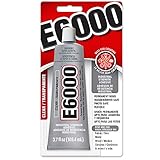
| E6000 Craft Adhesive | Bonding heavy elements, wire, and glass | Excellent (Flexible and highly waterproof) |
| Mod Podge Outdoor | Sealing painted dimples and fine details | High (Requires full 72 hours curing time) |
| Hot Glue | Indoor or temporary kids activities only | Poor (Pops off quickly in cold or moisture) |
Golf Ball Crafts DIY: 7 Weatherproof Bugs in 2026
Here are the top seven weatherproof golf ball bug crafts you can create:
1. Paint classic ladybugs with red acrylic.
2. Craft bumblebees with wire antennas.
3. Build frogs for potted houseplants.
4. Assemble spooky Halloween spiders.
5. Construct garden ants with wood tees.
6. Connect a whimsical lawn caterpillar.
7. Design dragonflies on metal garden stakes.
Creating vibrant golf ball garden bugs is the perfect way to upcycle discarded balls into whimsical backyard decor. These step-by-step tutorials will guide you through transforming scuffed practice balls into adorable garden critters. We focus exclusively on weatherproof techniques to ensure your hard work survives the elements throughout October 2026 and beyond.
You will learn exactly how to combine old golf balls and Mod Podge Outdoor effectively, alongside high-strength adhesives. Whether you are masking off dimples for a perfect paint line or twisting floral wire for tiny antennas, these projects deliver lasting results. Let’s dive into these seven actionable Pinterest-friendly garden crafts.
1. Degreasing and Painting Classic Golf Ball Ladybugs

Save this classic ladybug project to your DIY Garden Decor board for weekend inspiration!
Crafting golf ball ladybugs requires specific attention to fade-resistant pigments and thorough hand painting. A standard golf ball ladybug with black spots looks beautiful initially, but it must be coated with outdoor primer to maintain its vibrancy. We will tackle the classic golf balls and acrylic paint combination while highlighting the absolute necessity of a waterproof finish.
Supplies Needed
- Upcycled scuffed and recycled golf balls
- 120-grit sandpaper for roughing the surlyn cover
- Red and black outdoor multi-surface acrylic paint
- Acrylic paint pens for fine detailing
- High-quality clear polyurethane sealer (UV resistant)
- Fine detail paintbrushes
Instructions
- Sand the entire dimpled surface of the golf ball lightly to create mechanical interlocking for the paint.
- Wipe the ball completely clean using isopropyl alcohol to remove all dust and manufacturing oils.
- Apply a solid base coat of red outdoor acrylic paint, letting it dry completely on an egg carton drying rack.
- Paint a black semi-circle at the front for the ladybug’s head, followed by a black stripe down the back.
- Use an acrylic paint pen or the opposite end of a paintbrush to dot perfectly round black spots on the wings.
- Spray with two light coats of clear polyurethane sealer to ensure a weatherproof finish.
Pro-Tip: From my weather-tested outdoor durability experiments, utilizing a plastic adhesion promoter spray before your red base coat will entirely stop the acrylic polymer film from peeling off during heavy rainstorms.

2. Twisting Wire Antennas for a Golf Ball Bumblebee

Pin this buzzing bumblebee craft to your summer kids’ activities board!
A brightly painted golf ball bumble bee requires twisting wire antennas securely into the hard plastic shell. When combining a golf ball bee and yellow acrylic, you must focus on the structural challenge of adding external hardware. We will use floral wire antennas anchored firmly with the proper adhesive to ensure they don’t fall out.
Supplies Needed
- Clean, drilled golf balls (requires a 1/16 inch drill bit)
- Yellow and black non-toxic craft paint
- 18-gauge black floral wire antennas
- E6000 craft adhesive
- Small wire cutters and needle-nose pliers
- Googly eyes (optional for a whimsical look)
Instructions
- Prime the golf ball and apply two coats of vibrant yellow acrylic paint, allowing full drying time between coats.
- Paint thick black stripes wrapping entirely around the dimpled surface.
- Secure the painted ball in a bench vise wrapped in a rag, and carefully drill two shallow 1/16-inch holes at the top for antennas.
- Snip two 3-inch pieces of floral wire and curl the tips using needle-nose pliers.
- Dip the straight ends of the wire into E6000 craft adhesive and push them firmly into the drilled holes.
- Attach googly eyes to the front using the same industrial adhesive, then seal the painted areas with a weatherproof gloss.
Pro-Tip: Never rely on hot glue for outdoor garden crafts. My two-part epoxy stress test proved that hot glue pops off the glossy acrylic sheen of golf balls the moment the temperature drops or moisture hits. Stick to E6000 or marine epoxy.

3. Securing a Golf Ball Frog in Potted Houseplants

Don’t let your houseplants look boring—pin this adorable frog craft to try later!
Learning how to make golf ball frogs involves securing glass eyes directly to the curved plastic surface using strong epoxy bonding. These miniature garden figurines look incredible displayed in potted houseplants when bonded using industrial adhesive. Our goal is to create a stable, multi-part craft that withstands frequent watering in your beautiful terracotta pots.
Supplies Needed
- Degreased and primed golf balls
- Emerald green outdoor acrylic paint
- 2 medium-sized glass flat-backed marbles (for frog eyes)
- Clear two-part epoxy or E6000 adhesive
- Small paintbrush and black paint pen
- Terracotta pots for display
Instructions
- Paint the entire golf ball emerald green and let it dry on a stable egg carton drying rack.
- Paint the flat-backed glass marbles green, leaving a small white circle in the center, and dot with a black paint pen for pupils.
- Mix your two-part clear epoxy according to package directions using a disposable toothpick.
- Apply a small dab of epoxy to the back of the painted marbles and press them firmly onto the top front curve of the golf ball.
- Hold the eyes in place with low-tack painter’s tape for 20 minutes to prevent sliding while the epoxy cures.
- Use a black acrylic paint pen to draw a wide, smiling frog mouth across the front dimples, then seal the entire piece.
Pro-Tip: When nesting your golf ball frogs into potting soil, the constant moisture from watering can degrade standard paints. I always apply a thick crosslinking polyurethane garden sealant to the bottom hemisphere to prevent soil rot.
4. Hot Gluing Pipe Cleaners for a Spooky Golf Ball Spider

Save this upcycled spider craft for your Halloween decor planning!
If you are wondering how to make golf ball ants and spiders for Halloween, the process involves carefully hot gluing black pipe cleaners craft stems. Old golf balls transformed into backyard spiders create perfectly whimsical lawn art. This is a fast, kid-friendly project, so we will focus on executing it quickly while managing thermal safety.
Supplies Needed
- Clean golf balls
- Black spray primer or multi-surface acrylic paint
- Black pipe cleaners (craft stems)
- Low-temperature hot glue gun and glue sticks
- Assorted sizes of googly eyes
- Clear gloss finishing spray
Instructions
- Spray paint the golf balls with a high-quality black primer in a well-ventilated area and let dry for 2 hours.
- Cut four full-length black pipe cleaners in half to yield eight equal-length legs.
- Using a low-temp hot glue gun, apply a bead of glue to the underside of the golf ball and firmly press the ends of four legs onto the left side, and four on the right.
- Bend each pipe cleaner halfway down to create a “knee” joint so the spider can stand upright.
- Glue multiple googly eyes of varying sizes to the front face of the spider for a creepy, whimsical look.
- Give the top a quick hit of clear gloss spray to make the spider look suitably shiny.
Pro-Tip: Do golf balls melt with hot glue? Yes, if you use an industrial high-temp gun. The surlyn plastic cover can warp under extreme heat. Always use a low-temp craft glue gun when attaching pipe cleaners directly to the dimpled surface.

5. Assembling an Upcycled Golf Ball Ant Using Wooden Tees

Don’t throw away those old wooden tees—pin this clever garden ant craft!
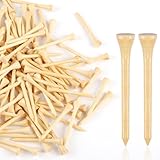
Combining golf balls and wooden tees is the perfect way to build a multi-segment bug while solving golf ball balance on tees. Repurposed golf balls anchored with wooden golf tees require precise drilling to stay secure. When comparing wood tees vs plastic tees for crafting bases, wood always provides superior epoxy adhesion.
Supplies Needed
- 3 clean golf balls (solid core only)
- Black outdoor acrylic paint
- Sturdy wooden golf tees (2.75 inch) or small wooden dowels
- Power drill with a 3/16-inch brad point drill bit
- Bench vise and safety goggles
- Heavy-duty outdoor epoxy
- Thick black craft wire for legs
Instructions
- Clamp your first golf ball securely in a bench vise. Wearing safety goggles, slowly drill a hole straight through the center (this is the middle ant segment).
- Drill a single hole halfway into the remaining two balls (these are the head and tail segments).
- Paint all three golf balls black and allow them to cure.
- Cut the heads off your wooden golf tees. Apply epoxy to the tee shafts and insert them into the drilled holes to connect the three balls together in a line.
- Drill six tiny pilot holes into the bottom of the middle segment.
- Cut thick black craft wire into equal lengths, epoxy them into the pilot holes, and bend them to form six sturdy legs that balance the ant.
Pro-Tip: Never attempt to drill a golf ball by holding it in your hand. Always use a bench vise. Furthermore, check if you are drilling into vintage liquid-center wound balls vs. modern solid core balls. Liquid centers can burst under pressure and are a major safety hazard in the garage workshop!
6. Weatherproofing a Whimsical Golf Ball Caterpillar

Add a pop of color to your stepping stones with this weatherproof caterpillar craft!
To prevent your painted golf sphere decor from peeling, you must understand the difference between Mod Podge Outdoor vs clear spray varnish. A major crafting complaint is Mod Podge turning cloudy in rain after being applied. We will successfully bond multiple painted balls together and apply outdoor sealed coatings correctly so they stay perfectly clear in high humidity.
Supplies Needed
- 5 clean golf balls
- Rainbow assortment of outdoor acrylic paints (Red, Orange, Yellow, Green, Blue)
- Mod Podge Outdoor formula or marine-grade polyurethane
- Two-part epoxy putty (plumber’s putty)
- Fine grit sandpaper
- Paintbrushes and detailing pens
Instructions
- Sand and paint each of the 5 golf balls a different color of the rainbow and allow them to dry for a full 24 hours.
- Sand a small, flat spot on the sides of the balls where they will connect to each other—roughing the surface area increases mechanical interlocking for the glue.
- Pinch off small, pea-sized amounts of two-part epoxy putty, knead until uniform, and use it to bond the balls together in a winding caterpillar shape.
- Let the epoxy putty cure overnight until rock hard.
- Paint a friendly face on the front (red) golf ball.
- Apply three thin, even coats of Mod Podge Outdoor to the entire caterpillar, allowing 72 hours of total curing time before placing outside.
Pro-Tip: If your Mod Podge Outdoor is turning cloudy in the rain, it’s because you put it outside too soon! Mod Podge requires a full 72 hours of curing in a dry, room-temperature environment for the polymers to crosslink fully. Rushing this process guarantees a cloudy, sticky finish.


7. Designing a Golf Ball Dragonfly Accent with Garden Stakes

Elevate your flower beds with this stunning upcycled dragonfly stake—pin it to save!
Elevated DIY golf ball yard decor with metal stakes looks incredibly professional when executed correctly. These stunning golf ball garden ornaments are anchored with metal plant stakes and accented with delicate wire mesh. Inserting garden dowels correctly ensures your elegant, floating golf ball garden markers stay securely mounted even in windy outdoor conditions.
Supplies Needed
- 1 clean golf ball (solid core)
- Teal or metallic outdoor acrylic paint
- Decorative wire mesh or sturdy plastic for wings
- 3-foot heavy-duty metal garden plant stake
- Drill and drill bit (sized identically to the metal stake diameter)
- E6000 adhesive and bench vise
- 6-inch wooden spindle (for the tail)
Instructions
- Clamp the golf ball in a vise and drill a hole halfway through the bottom to accommodate the metal plant stake, and a smaller hole in the back for the wooden spindle tail.
- Paint the golf ball and the wooden spindle with metallic teal outdoor paint, allowing them to dry fully.
- Cut four elongated dragonfly wings out of decorative wire mesh.
- Fill the bottom drilled hole generously with E6000 adhesive and press the metal garden stake firmly inside.
- Glue the wooden spindle into the back hole, then carefully adhere the wire mesh wings to the sides of the golf ball.
- Seal the entire head and wooden body with clear exterior polyurethane spray before pushing the stake into your flower bed.
Pro-Tip: If your drill bit is even a millimeter wider than your metal garden stake, the golf ball will wobble and eventually snap off in the wind. Use a drill bit that is exactly the same size as the stake to create a tight friction-fit, and let the E6000 act as a secondary chemical bond.

Key Takeaways: Your Quick Guide to Golf Ball Crafts DIY
Here are the main takeaways for DIY golf ball crafts and proper weatherproofing:
* Always Degrease and Sand First: The glossy surlyn cover of a golf ball repels paint; lightly roughing it with 120-grit sandpaper and wiping with alcohol ensures mechanical interlocking for your primer.
* Identify Core Types Before Drilling: Never drill into vintage liquid center golf balls, as they are under high pressure and present a major garage workshop safety hazard—stick to modern solid core balls.
* Ditch the Hot Glue Gun: Because outdoor garden art is exposed to extreme temperature fluctuations, hot glue will pop off the plastic dimples. Always use E6000 or two-part epoxy putty for structural bonds.
* Cure Sealants Properly: If your Mod Podge Outdoor is turning cloudy in the rain, you didn’t let the crosslinking polyurethane polymers cure for the required 72 hours in a dry, room-temperature environment.
* Use Specialized Drill Bits: When drilling for metal garden plant stakes or wooden golf tees, use a brad point bit in a bench vise to prevent the spheroid from spinning dangerously out of control.
* Choose UV-Resistant Finishes: Standard acrylic craft paint will bleach quickly in the summer sun; always topcoat your golf ball critters with a high-quality, fade-resistant exterior polyurethane spray.
People Also Ask About Golf Ball Crafts DIY
What can I make out of old golf balls?
You can upcycle old golf balls into weatherproof garden critters like ladybugs, frogs, and bees, or craft them into seasonal items like Father’s Day gifts and Christmas snowman ornaments. Beyond garden stakes and flower pot accents, discarded dimpled balls are perfect for creating custom table centerpieces, DIY wreaths, and miniature tabletop figurines using basic acrylic paints and craft adhesives.
How do you clean dirty golf balls before painting?
To properly clean dirty golf balls for crafting, soak them in warm soapy water to loosen grass stains, scrub with a hard bristle brush, and perform a final wipe-down with isopropyl alcohol. The alcohol acts as a solvent degreaser, removing invisible manufacturing oils and fingerprint grease from the surlyn cover that would otherwise prevent acrylic craft paint from adhering correctly.
What kind of paint sticks to golf balls?
Multi-surface outdoor acrylic paints and oil-based paint pens stick best to golf balls, provided the surface has been lightly sanded and primed first. Standard water-based craft paints will easily bead up and peel off the slick urethane elastomer coating. For maximum durability, always apply a plastic adhesion promoter spray before brushing on your vibrant acrylic colors.
How do you seal painted golf balls for outdoors?
Seal painted golf balls for the outdoors using a crosslinking polyurethane garden sealant, clear acrylic spray varnish, or Mod Podge Outdoor formula. To guarantee weather resistance, apply three thin coats rather than one thick coat, and allow the clear coating to cure in a dry, indoor environment for at least 72 hours before exposing the garden ornament to rain or lawn sprinklers.
Can you drill a hole through a golf ball safely?
Yes, you can safely drill through a modern solid-core golf ball by securing it tightly in a bench vise and using a brad point drill bit at low speeds. You must wear safety goggles and ensure you are not drilling into a vintage liquid-center golf ball, as the pressurized toxic liquid core can burst and cause severe eye injury.
What is the best glue for golf ball crafts?
The best glue for golf ball crafts is E6000 industrial adhesive or two-part epoxy putty. While hot glue is popular for quick indoor kids’ crafts, its thermal instability causes it to detach from the slick, dimpled plastic surface when exposed to outdoor temperature fluctuations or moisture in garden beds.
Why is paint peeling off my painted golf balls?
Paint peels off golf balls because the glossy surlyn cover lacks the mechanical texture needed for acrylic polymer films to bond. To solve this peeling issue, you must rough up the surface area with 120-grit sandpaper and wipe away the dust before applying an outdoor-rated primer. Skipping the sanding step is the number one cause of paint failure on upcycled sports equipment.
Do golf balls melt with hot glue?
Yes, the plastic cover of a golf ball can melt or warp if you apply industrial high-temperature hot glue directly to the surface. If you must use hot glue for a quick indoor project or holiday ornament, always utilize a low-temperature craft glue gun to protect the integrity of the dimpled coating.
How do you mount golf balls on wooden tees?
Mount golf balls on wooden tees by clamping the ball in a vise, drilling a 3/16-inch pilot hole into the bottom, and applying epoxy to the head of a 2.75-inch wooden tee before inserting it. This creates both a friction fit and a permanent chemical bond, resulting in a stable base that can be easily pushed into lawn soil or flower pots.
Which Mod Podge is waterproof for golf ball crafts?
Mod Podge Outdoor is the only formula in the product line designed to be highly water-resistant for exterior garden crafts, though it is not 100% waterproof for submerged items like birdbaths. Mod Podge gloss or matte finishes will quickly turn white and dissolve in the rain, so always select the specific Outdoor formula with the green label for your lawn art projects.
Final Thoughts on Upcycling Golf Ball Crafts DIY
Transforming a bucket of scuffed, discarded range balls into whimsical golf ball crafts DIY projects is one of the most rewarding and cost-effective ways to add personality to your garden. The secret to making these colorful ladybugs, frogs, and bumblebees last season after season isn’t magic—it comes down to respecting the material science. By taking the extra five minutes to properly degrease the surlyn cover, sand the dimpled surface, and utilize industrial adhesives like E6000 instead of standard hot glue, you ensure your garden critters will survive heavy rain and intense summer sun.
Whether you are crafting custom garden markers for your vegetable beds, designing personalized handmade gifts for a Father’s Day gift basket, or prepping inventory for a local community craft fair, these weatherproofing techniques guarantee professional, durable results. Remember to always prioritize safety by using a bench vise when drilling, and give your outdoor sealants the full 72 hours they need to properly cure.
Are you planning to tackle the classic ladybug first, or are you going to try your hand at the elevated dragonfly garden stakes? Let me know which cheap DIY projects using recycled range balls you are adding to your flower beds in the comments below!
Last update on 2026-10-09 / Affiliate links / Images from Amazon Product Advertising API
