

As an Amazon Associate GolferHive.com earns from qualifying purchases.
11 Golf Aesthetic Color Palettes for Design and Apparel 2026
Struggling to capture the serene, sophisticated feeling of a golf course in your designs? You know the palette should be more than just “green and blue,” but translating that natural beauty into a cohesive visual identity feels impossible. This leads to generic, uninspired branding that fails to connect.
A Golf Aesthetic Color Palette is a curated selection of colors designed to visually represent the atmosphere, tradition, and landscape of golf. You’re right to feel frustrated with basic options. The real challenge is moving beyond simplistic choices to a palette that feels both authentic and modern.
The solution is to use palettes derived from the course’s natural elements—like fescue, sand, and twilight mist—and refined with professional color theory. This guide provides 11 expert-curated golf color schemes, complete with hex codes and application tips. You’ll discover how to create a visual identity that is sophisticated, timeless, and deeply connected to the sport.
Contents
show
Why the Golf Aesthetic Requires 2026 Design Sophistication
The modern golf aesthetic demands more than a simple nod to green grass and blue skies. It’s about capturing an intangible feeling—the serenity of an early morning round, the rich heritage of a clubhouse, or the clean lines of modern performance gear. Translating the complex interplay of natural light, varied textures of grass, and atmospheric conditions into precise, usable hex codes is a significant design challenge. This is where sophistication comes in. A well-curated golf visual identity proves you understand the nuances of the sport’s culture. By moving beyond generic choices, you signal a level of expertise and attention to detail that resonates with a discerning audience, whether you’re designing luxury golf branding or selecting trendy apparel.
The Foundation: Golf Color Psychology and Theory
Before diving into specific palettes, understanding the “why” behind color choices establishes true expertise. The most effective golf aesthetic color palettes adhere to foundational principles of color theory and psychology. A core framework is the 60-30-10 rule, which creates visual balance. For golf, this often translates to 60% Course Green, 30% a neutral like Sky Blue or Bunker Sand, and 10% a powerful accent color.
Psychologically, each color plays a distinct role. Green is psychologically linked to feelings of calm, balance, and concentration, which is why it is the dominant color in the sport, promoting a serene environment and aiding focus. Blue evokes serenity and open space, while neutrals like white, cream, and gray provide balance and sophistication. Professional design also considers technical standards. Digital palettes (RGB/Hex) must meet WCAG contrast ratios for accessibility, while print applications (CMYK) require careful color management to ensure hues translate accurately from screen to paper. Understanding these rules is the difference between an amateur design and a professional visual identity.
11 Golf Aesthetic Color Palettes for Elevated Design and Apparel 2026
Here are 11 professionally curated golf color schemes designed for a range of applications, from traditional branding to modern apparel. Each palette is derived from the authentic environments and cultural touchstones of the sport, cross-checked for color harmony, and presented with actionable hex codes and usage guides to elevate your next project.
1. The Canonical Masters Palette (Augusta Green & Azalea)
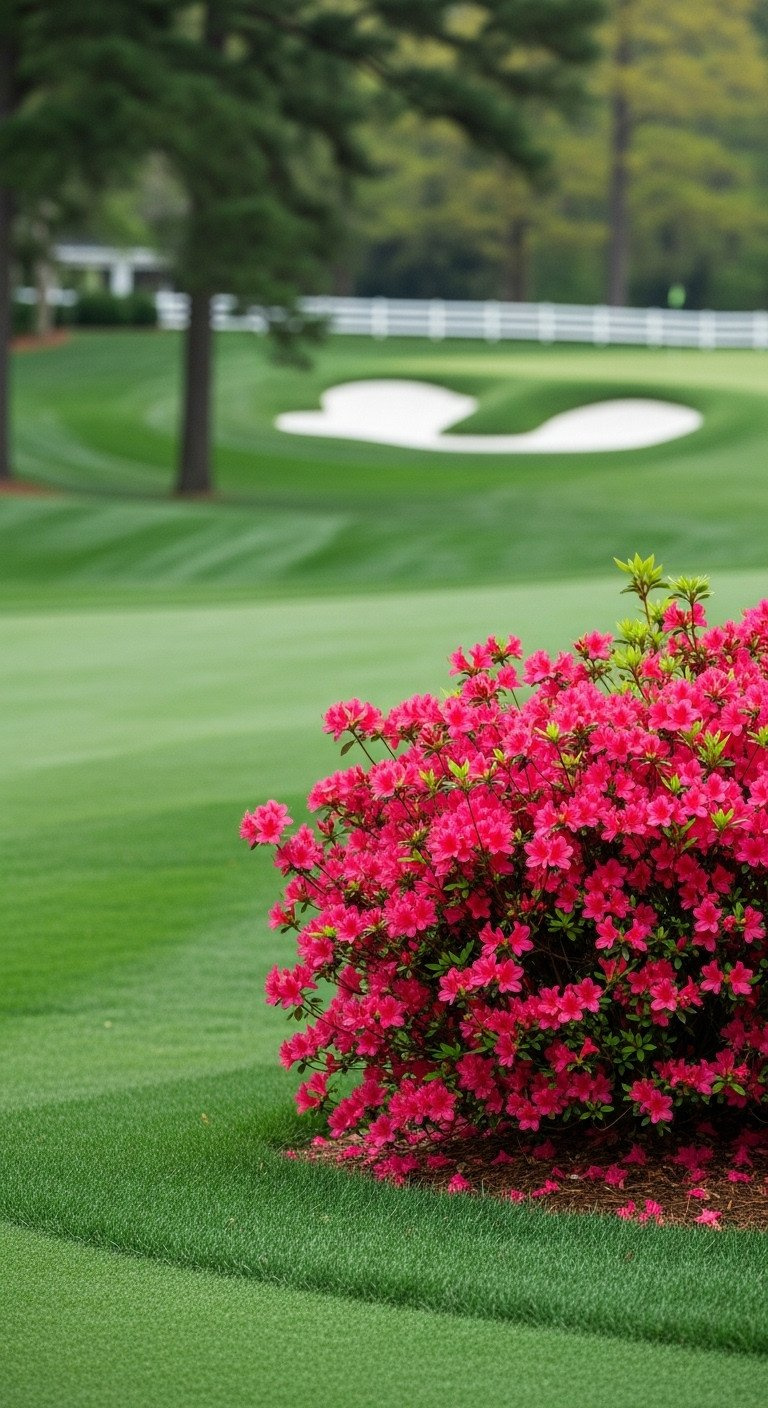
Pin this iconic, sophisticated palette idea!
Palette Components & Rationale:
- Masters Green (#005944): The dominant color, representing heritage, exclusivity, and the manicured course. Use as the 60% base.
- Azalea Pink/Red (#C71585): The vibrant accent color, derived from the flowers along the course. Use as the 10% high-impact pop.
- Pristine White (#FFFFFF): The required neutral for clarity and sophistication, representing classic apparel.
- Muted Brass/Gold (#D4AF37): A subtle tertiary accent color, representing trophies and club prestige.
Application & Usage Guide:
- Branding: Use Masters Green as the primary logo color, reserving Azalea Pink strictly for high-impact Call-to-Action (CTA) buttons or minimal graphic elements.
- Apparel: Pair white or cream trousers with a deep green polo, adding Azalea through subtle trim, stitching, or seasonal accessories (scarves, gloves).
- Web Design: Use a deep green background only for footer or header elements; utilize Pristine White for the main content background for optimal contrast and readability (WCAG compliance).
Pro-Tip: Since Masters Green is dark, use a slightly warmer off-white instead of stark white for web backgrounds to soften the visual tension, ensuring a more serene experience.

2. Fescue & Fieldstone (Traditional Earth Tones)
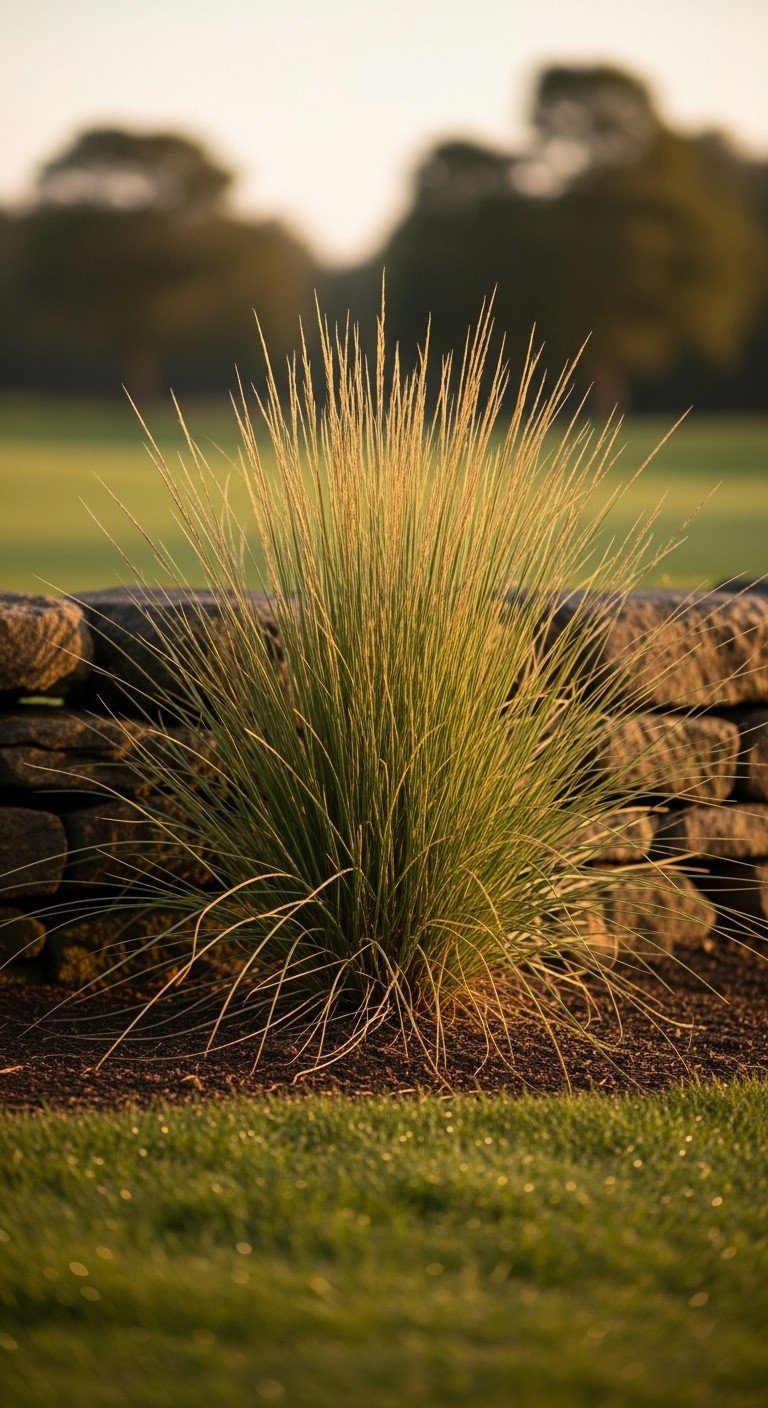
Save this clever organization idea!
Palette Components & Rationale:
- Fescue Olive (#828B26): The core green, derived from wild, sun-bleached rough grass; signifies durability and naturalism.
- Deep Mocha (#5B453E): A grounding, deep brown derived from rich soil and wood; conveys stability and heritage.
- Fieldstone Gray (#A0A09A): A cool, highly flexible neutral, excellent for text backgrounds and large design sections.
- Soft Cream (#FAF8F0): A warm off-white, replacing stark white to maintain an overall grounded, natural feel.
Application & Usage Guide:
- Branding: Ideal for golf architecture firms or organic golf apparel brands. Use the Deep Mocha as the primary text color over Soft Cream backgrounds.
- Apparel: This is a versatile year-round palette. Pair Mocha accessories (leather goods) with Fieldstone Gray slacks, using Fescue Olive for the polo shirt.
- Design Tip: Use the soft contrast between Fescue Olive and Fieldstone Gray to provide visual texture without overwhelming the viewer.
Pro-Tip: This palette excels in print materials (brochures, invitations) because the colors translate accurately to paper and are inherently sophisticated.

3. Links Course Serenity (Coastal Mist & Teal)
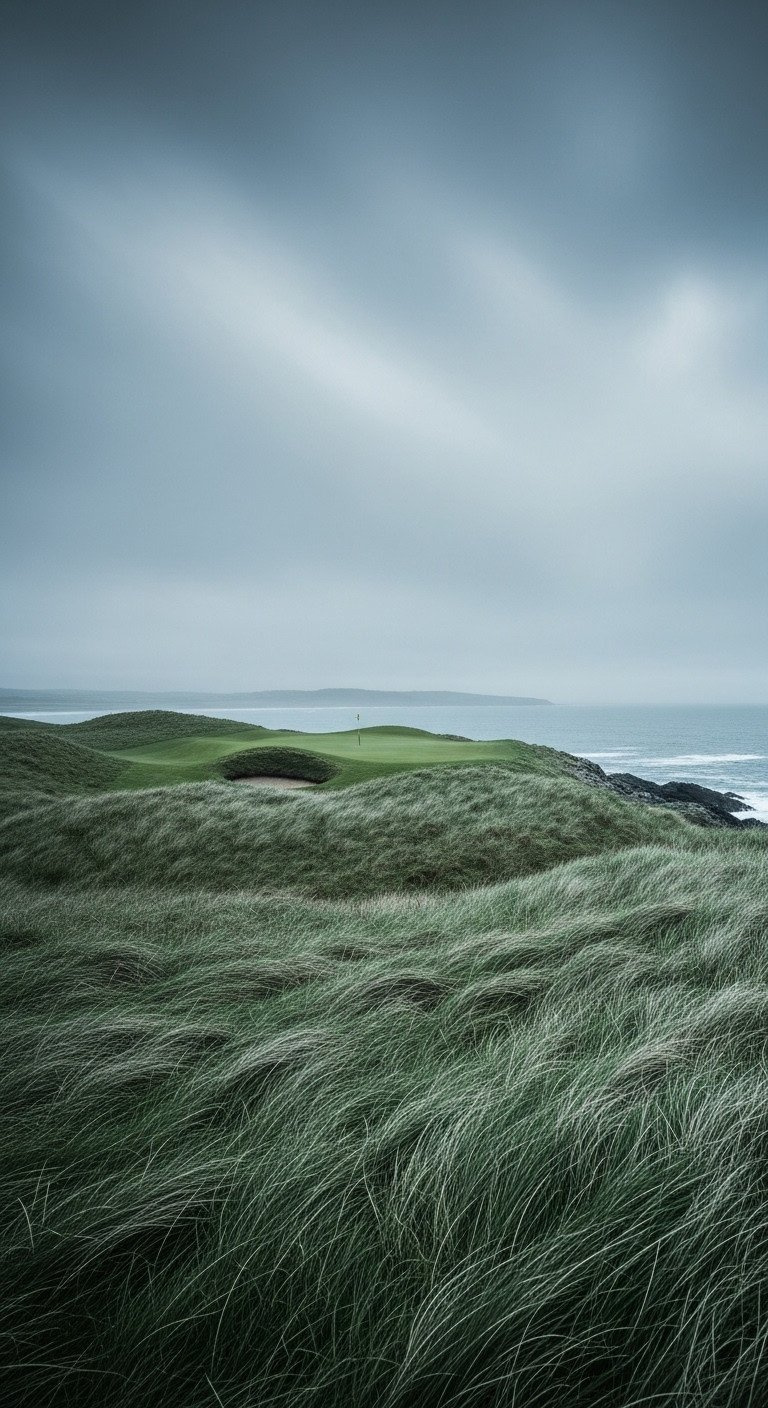
Save this serene design inspiration!
Palette Components & Rationale:
- Slate Gray (#5A6273): The dominant neutral, derived from wet rock and mist; conveys strength, sophistication, and a departure from traditional browns.
- Muted Teal (#43706F): Primary accent color, derived from the reflection of the sky on water hazards; provides depth and visual interest.
- Oatmeal (#E0DDCF): A very warm, soft neutral derived from dry coastal grass; prevents the palette from becoming too cold.
- Deep Navy (#19233A): A grounding accent, often used for text or borders; signifies tradition and professionalism.
Application & Usage Guide:
- Branding: Ideal for maritime or high-end Scottish golf apparel/travel companies. Excellent for dark mode websites.
- Apparel: Utilize Deep Navy or Slate Gray for heavier outerwear (windbreakers, vests). Use Oatmeal for base layers and polos.
- Contrast: The contrast between Slate Gray and Muted Teal is low; use Oatmeal or Oatmeal-colored text on the darker tones for readability.
Pro-Tip: This palette works well when textures (knitwear, rough paper) are incorporated, as the subdued colors need material depth to truly shine.

4. Desert Southwest Terracotta (Warm, Arid Tones)
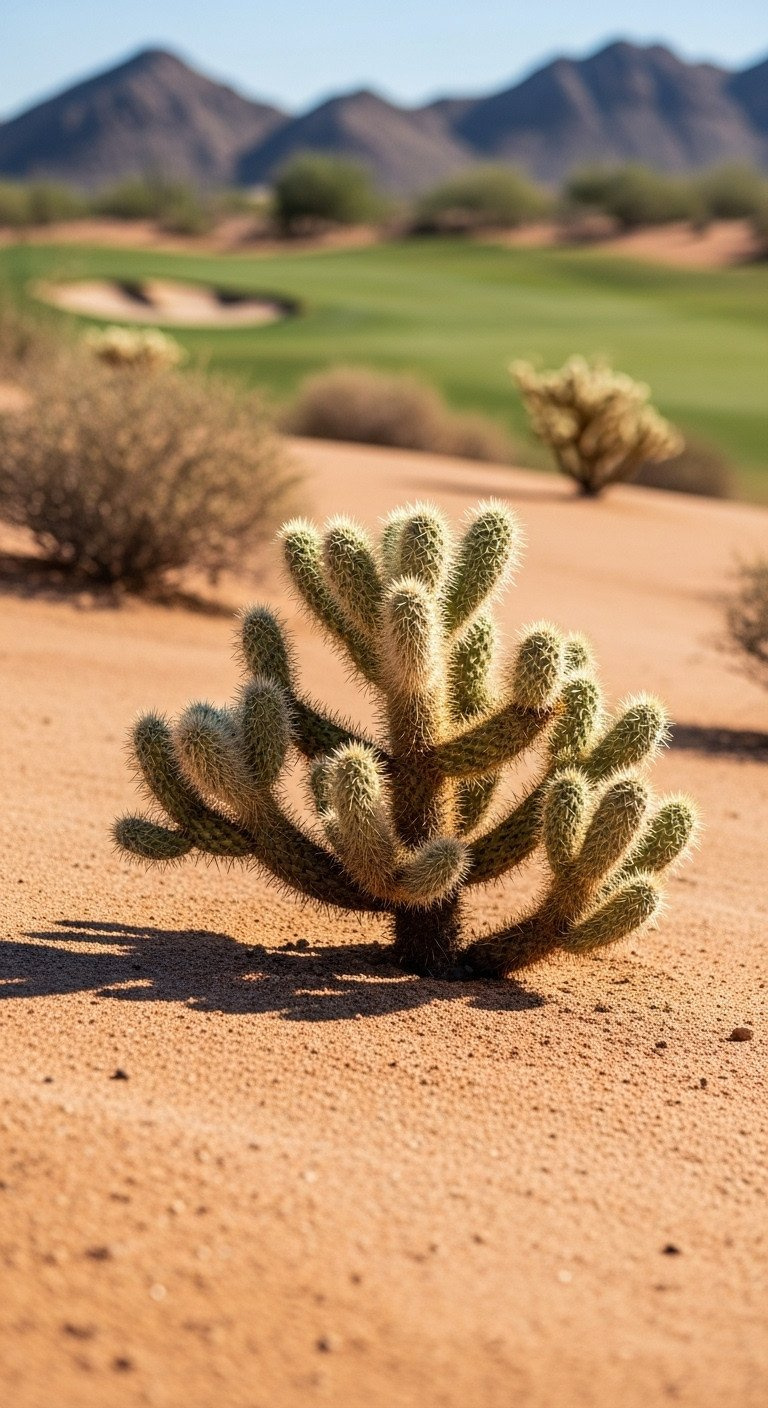
Pin this arid aesthetic to your mood board!
Palette Components & Rationale:
- Desert Terracotta (#B85C38): The powerful dominant color, representing the natural rock and earth; conveys energy and a regional identity.
- Sage Green (#9FB992): The required green accent, derived from drought-resistant plants; provides a necessary cool counterpoint to the warm earth tones.
- Tan Sand (#D8C9A8): The essential neutral, derived from the bunker and surrounding environment; provides balance.
- Charcoal Gray (#36454F): Used sparingly for text and deep shadow accents; grounds the palette.
Application & Usage Guide:
- Branding: Best for resort golf properties or highly regional golf clubs in Arizona, Nevada, or Texas.
- Apparel: Terracotta and Sage Green work exceptionally well together for summer/high-heat apparel. Use Tan Sand as the primary base for pants and shorts.
- Design Tip: Use Desert Terracotta as the primary brand color (60%) and Sage Green as the secondary (30%), allowing the cool and warm tones to create a high-impact, balanced contrast.
Pro-Tip: If using this palette on a website, ensure the Tan Sand neutral is light enough for good text contrast, as low-contrast tan can be difficult to read.

5. Modern Minimalist (High-Contrast Neutral)
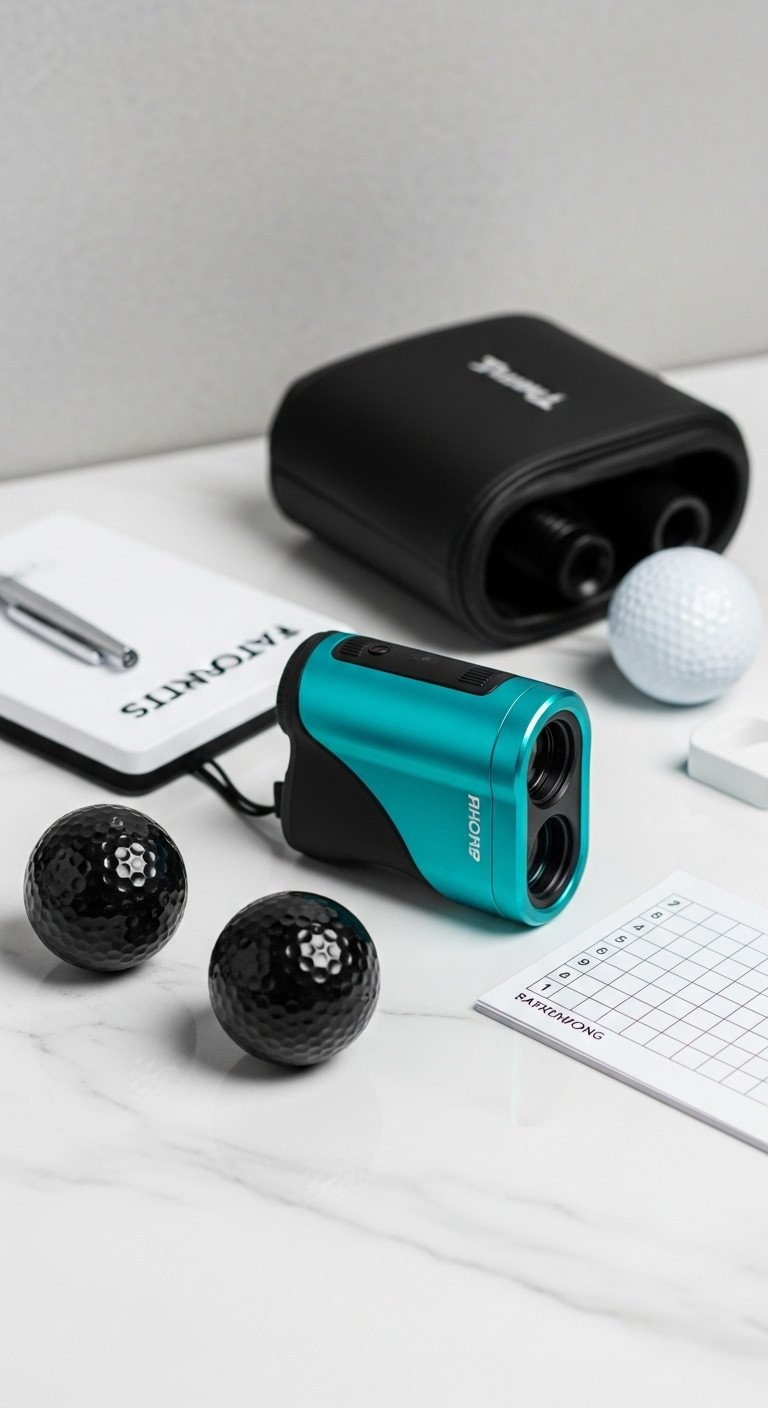
Pin this clean, minimalist branding idea!
Palette Components & Rationale:
- Pure White (#FFFFFF): The dominant neutral background; maximizes readability and cleanliness.
- Matte Black (#1A1A1A): The primary text and foreground color; conveys authority and professionalism.
- Sharp Teal (#008080): A sophisticated, non-traditional color that provides the necessary subtle nod to water/sky and acts as the CTA color.
- Cool Gray (#A9A9A9): A subtle tertiary color used for dividing lines and background shadows.
Application & Usage Guide:
- Branding: Perfect for golf apps, technology, simulators, or contemporary apparel lines. The sharp contrast is excellent for digital interfaces.
- Apparel: Primarily black, white, and gray garments, using the Sharp Teal only for logos, seam piping, or small details (e.g., shoe laces).
- Design Tip: Strictly adhere to the 80% neutral, 20% accent rule. The Teal accent should never dominate the composition, only guide the user’s eye to action points.
Pro-Tip: Use a slightly desaturated green as a tertiary color if you must include a traditional color, but ensure it remains secondary to the Black and White contrast.

6. Retro 90s Club House (Deep Primary Accents)

Save this vibrant throwback fashion scheme!
Palette Components & Rationale:
- Kelly Green (#4CBB17): A bright, true green, moving away from muted forest tones; conveys playfulness and energy.
- Royal Blue (#4169E1): A high-saturation blue accent, historically popular for preppy apparel; provides visual pop.
- Mahogany Brown (#461F1A): A rich, deep brown derived from club house wood and leather; grounds the bright colors.
- Sunshine Yellow (#FFD700): A cheerful, small accent color used for striping or trim detail.
Application & Usage Guide:
- Branding: Best for urban golf experiences, youth-focused brands, or products emphasizing fun and affordability.
- Apparel: This scheme is ideal for color-blocking apparel. Pair a Royal Blue garment with a Kelly Green accessory, grounding the look with Mahogany leather.
- Design Tip: Due to the high saturation, avoid using all three primary colors simultaneously. Use the Mahogany Brown as the 60% base for digital backgrounds (dark mode) to balance the high energy.
Pro-Tip: If using this palette for print, ensure your printing vendor can handle the saturation levels without the colors looking garish; CMYK translation is critical here.

7. Fall Sophistication (Burgundy & Butter)
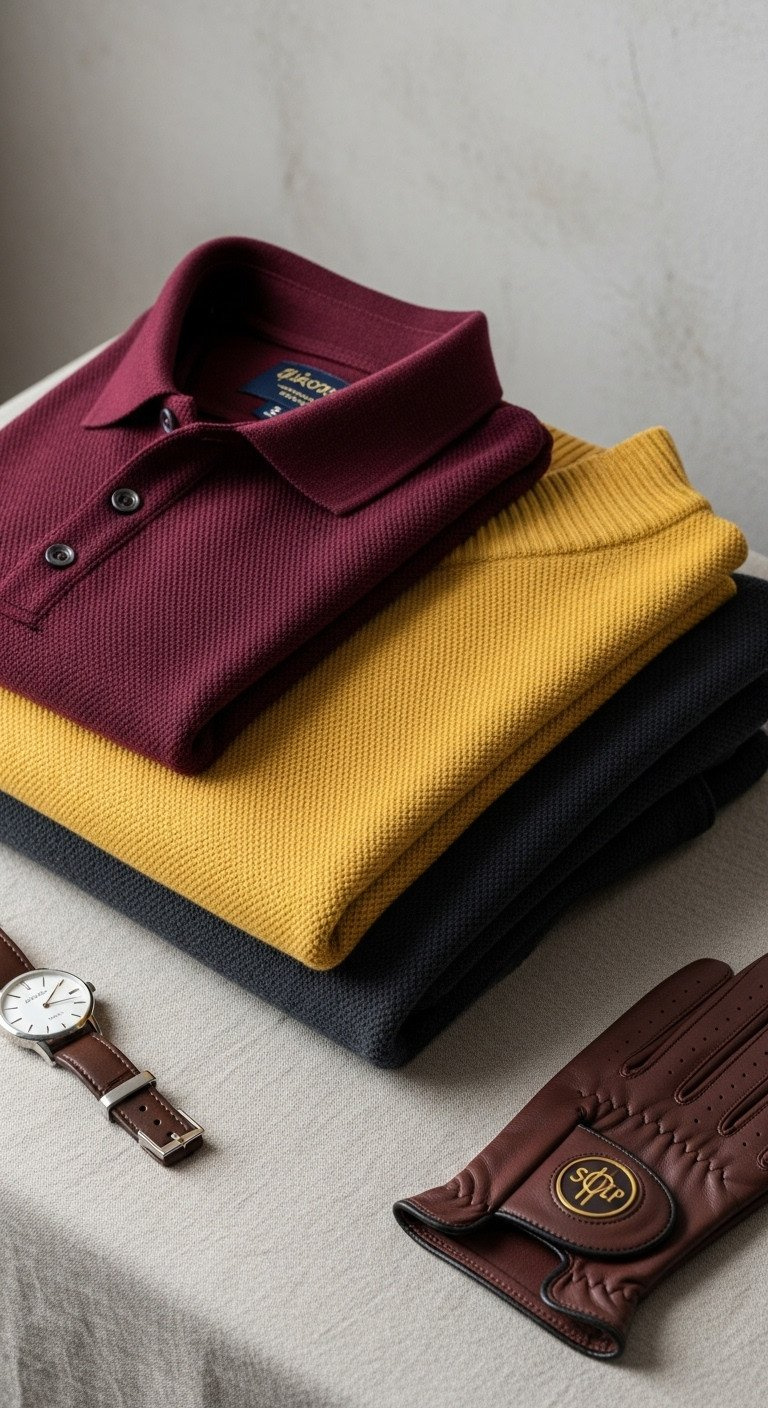
Save this ultimate Fall golf fashion guide!
Palette Components & Rationale:
- Deep Burgundy (#800020): The primary fashion color; conveys luxury, richness, and depth, ideal for cooler weather.
- Butter Yellow (#FAF0BE): The soft, trendy neutral, replacing stark white; adds warmth and sophistication.
- Charcoal Gray (#36454F): A flexible, deep neutral that acts as the grounding, stabilizing base.
- Muted Forest Green (#355E3B): A subtle tertiary color, used minimally to remind the wearer of the course.
Application & Usage Guide:
- Branding: Best used as a seasonal accent palette for promotions, email headers, or limited-edition product launches in the fall/winter.
- Apparel: Pair a Deep Burgundy sweater or vest with Charcoal Gray trousers. Use Butter Yellow for a high-quality polo or a single accessory (e.g., a cap or head cover).
- Fashion Tip: This palette thrives on material texture (cashmere, merino wool). The colors should be deep and muted rather than bright and flat.
Pro-Tip: Because this palette minimizes traditional green, ensure the green you do use is deep and complex (Muted Forest) to maintain the golf context subtly.

8. Twilight Mist (Low-Light Blues & Greys)
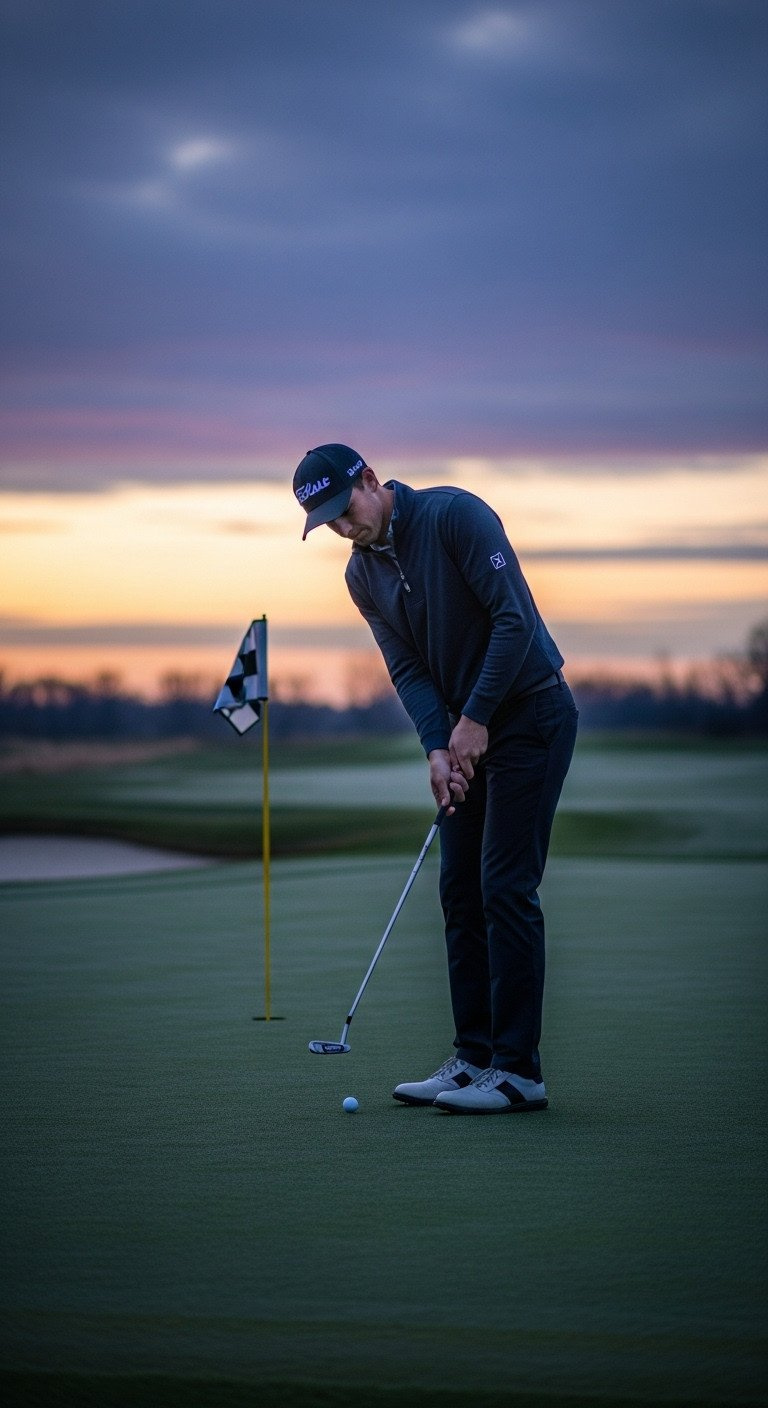
Pin this atmospheric, tranquil aesthetic!
Palette Components & Rationale:
- Deep Charcoal (#36454F): The primary background color; conveys seriousness and solitude.
- Muted Periwinkle (#CCCCFF): A unique, highly desaturated blue derived from the fading sky; provides the required serenity.
- Dusty Lavender (#B57EDC): A tertiary shade that offers an unexpected, subtle warmth against the cool tones.
- Off-Black (#1A1A1A): Used sparingly for text and high-contrast lines.
Application & Usage Guide:
- Branding: Ideal for premium, luxury brands emphasizing performance or exclusive early/late access golf experiences.
- Apparel: Muted Periwinkle is a unique, high-fashion color for women’s golf apparel. Use Charcoal for all base garments (slacks, jackets).
- Design Tip: This scheme is best executed using Dark Mode for web design, utilizing the Muted Periwinkle as a subtle hover or interaction color.
Pro-Tip: The key to this palette is maintaining a very low saturation level across all colors, ensuring they feel “heavy” and contemplative rather than bright.

9. Luxury Leather & Brass (Club Interior)
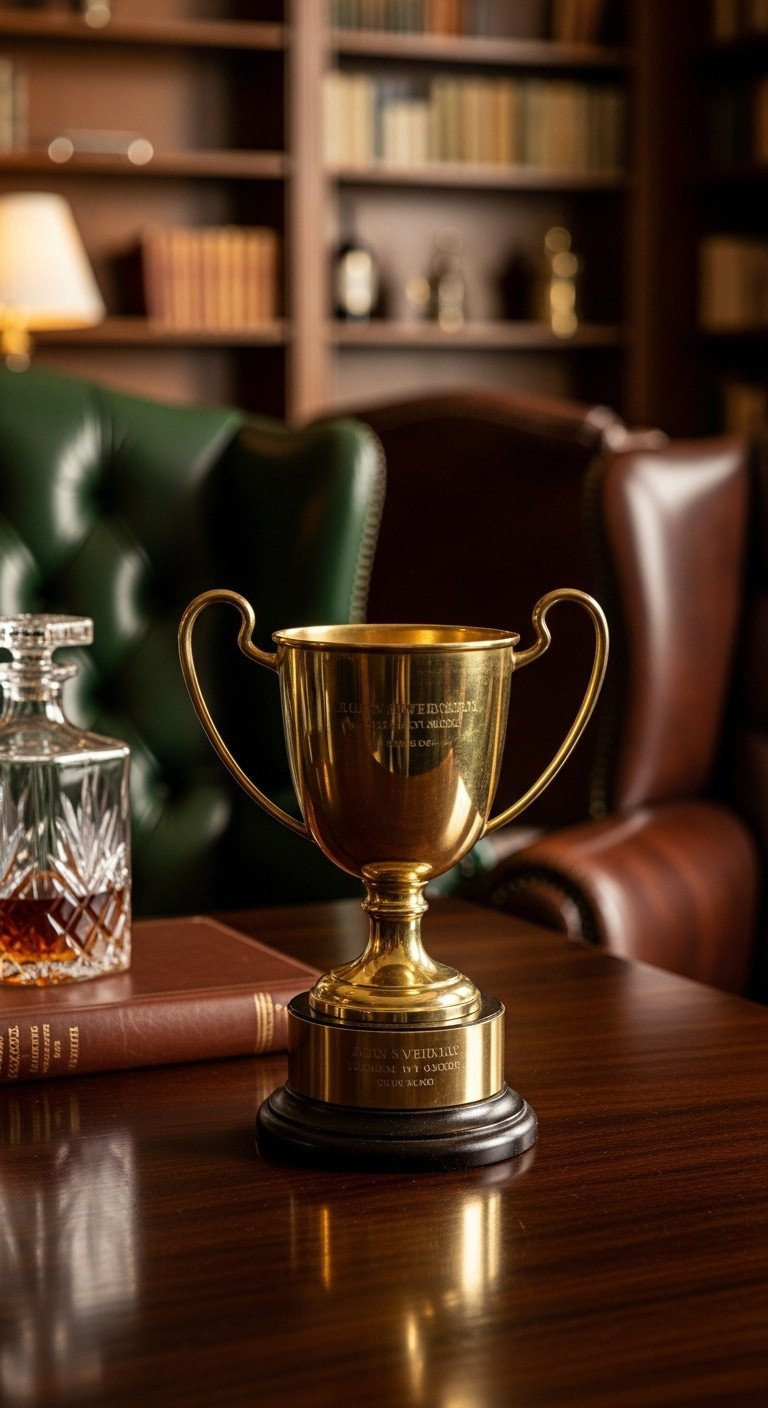
Save this upscale club branding idea!
Palette Components & Rationale:
- Deep Forest Green (#014421): Primary background and brand identity color; conveys wealth and tradition.
- Rich Chestnut (#954535): The dominant neutral, derived from leather and wood; adds necessary warmth and depth.
- Polished Brass (#D4AF37): The key accent color; must be used as a metallic or simulated metallic effect to convey premium status.
- Cream Linen (#F0EAD6): A very light, textured neutral used for backgrounds and text.
Application & Usage Guide:
- Branding: Ideal for private equity firms, exclusive country clubs, or high-cost equipment brands.
- Apparel: Focus on Deep Forest Green and Rich Chestnut. Use Brass only for hardware (buckles, zipper pulls) or subtle logo embroidery.
- Design Tip: This palette works best when combined with textured backgrounds (simulated leather, dark wood grain patterns) to reinforce the opulent interior aesthetic.
Pro-Tip: When using the Brass hex code, employ gradient effects in digital design to simulate the reflection and shine of real metal, adding perceived value.

10. Performance Contrast (High-Visibility Accents)

Pin this energetic, high-performance palette!
Palette Components & Rationale:
- Carbon Gray (#404040): The primary neutral, derived from high-tech materials (carbon fiber, matte finishes); conveys modern engineering.
- High-Viz Neon Green (#7FFF00): The critical accent color; used sparingly to draw attention, signify movement, and link to the grass environment dynamically.
- Crisp White (#FFFFFF): Used for maximum readability on digital interfaces and logos against the dark base.
- Signal Red (#FF0000): A tertiary accent used for warning or error states in applications.
Application & Usage Guide:
- Branding: Essential for equipment, ball manufacturers, fitness/training services, and modern golf shoe/glove companies.
- Apparel: Use Carbon Gray/Black as the dominant color, utilizing High-Viz Neon Green for seam stitching, inner linings, or piping that catches the eye.
- Performance Tip: The High-Viz accent colors improve visibility on the course (e.g., finding equipment in low light) and should be integrated into product design for practical utility.
Pro-Tip: While high-viz is functional, restrict its use to a maximum of 5% of the total design composition to avoid overwhelming the eye and maintaining sophistication.

11. Monochromatic Moss (Depth through Saturation)
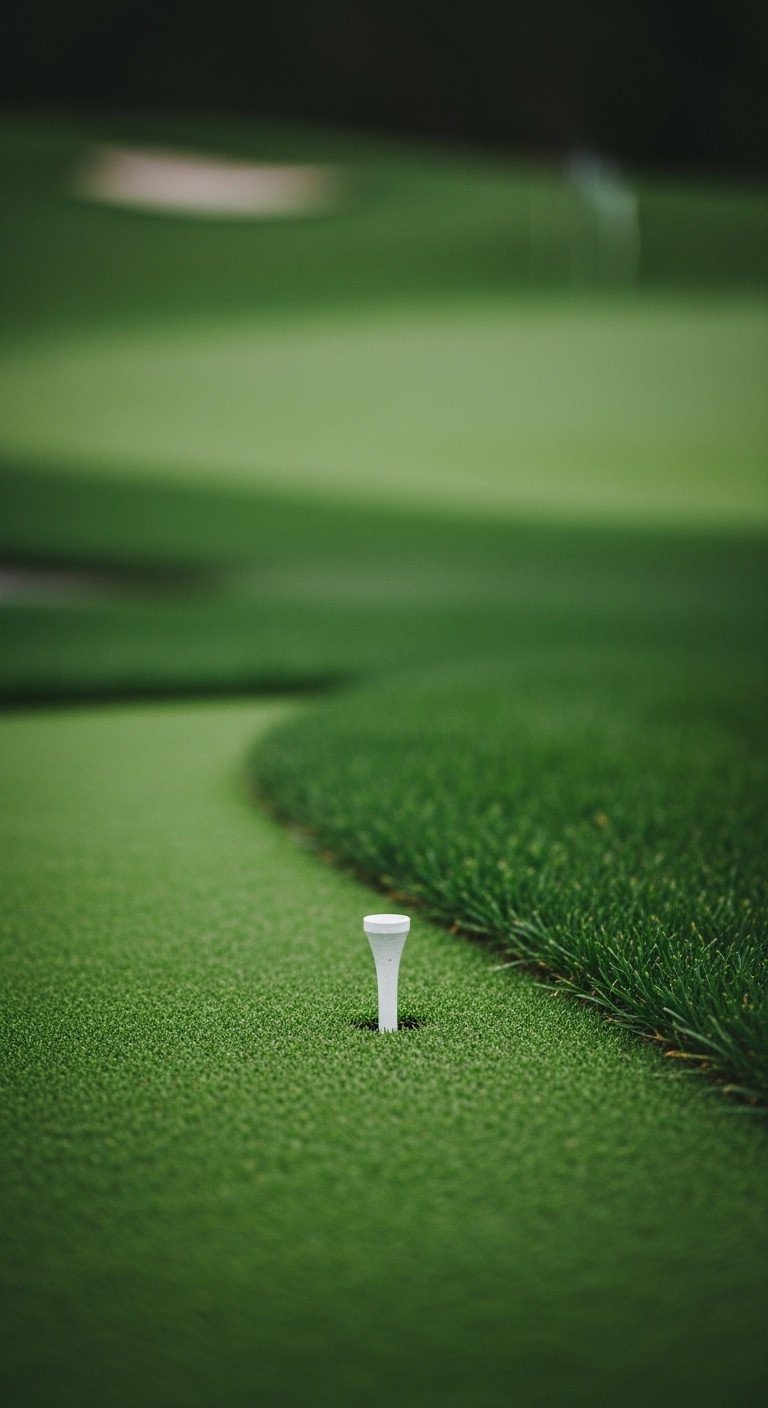
Pin this deeply harmonious green palette!
Palette Components & Rationale:
- Deep Moss (#556B2F): The darkest variant, used as the grounding color and text background (Dark Mode compatible).
- Fairway Emerald (#50C878): A brighter, more saturated variant used as the accent and primary graphic color.
- Celadon Green (#AFE1AF): The lightest variant, used as the neutral background color for light mode interfaces.
- Off-White (#F0F8FF): A simple neutral used for text over the darkest shade.
Application & Usage Guide:
- Branding: Excellent for brands that want to emphasize environmentalism, naturalism, and deep tranquility without distraction. Highly versatile.
- Apparel: Create layering effects by using Deep Moss for base layers and Fairway Emerald for outer layers (vests, jackets).
- Design Tip: Use only the darkest shade for text (Deep Moss) on the lightest background (Celadon) to ensure WCAG accessibility compliance when working with low-contrast greens.
Pro-Tip: Monochromatic schemes derive their visual interest purely from texture and shade; include subtle gradients or photo filters to enhance this depth.

Choosing the Right Palette: Apparel vs. Branding Implementation
Selecting an aesthetic is only the first step; successful implementation depends on the context. The technical requirements for golf apparel colors differ significantly from those for digital branding, and understanding this distinction is crucial for maintaining a cohesive and professional visual identity.
Translating Hex Codes to Physical Fabric (Apparel)
Ensure consistency across mediums. The colors you see in the hex codes on screen (RGB) often look flatter or slightly different when printed on fabric (CMYK/Dyes). Always order physical swatches using the chosen palette. For high visibility and contrast on the course, choose slightly brighter variations of the core palette, prioritizing visibility over subtle aesthetic perfection.
Avoiding the “Generic Green” Trap in Digital Branding
Complexity is key. Avoid using simple, primary green hex codes that appear cartoonish. Instead, opt for tertiary greens (like moss, olive, or teal-infused) derived from high-resolution course photography. Use accompanying neutrals (tan, cream, slate) to ground the palette and add sophistication that signals luxury and expertise.
The Importance of WCAG Contrast for Golf Websites
Accessibility is a professional standard. When designing a golf website or app, ensure that your chosen text and background colors (especially dark greens or grays) meet the Web Content Accessibility Guidelines (WCAG) minimum contrast ratio of 4.5:1. This ensures readability for all users and projects a professional, trustworthy image.
Key Takeaways: Your Quick Guide to Visual Mastery
- The 60-30-10 Rule: Use 60% Course Green, 30% Sky/Sand Neutral, 10% High-Impact Accent (like Brass or Azalea Pink) for balance.
- The Power of Texture: Sophisticated palettes, especially the monochromatic ones, rely on texture (leather, wood, woven fabric) to add depth.
- The Psychology of Serenity: Prioritize desaturated, complex colors over primary hues to evoke feelings of calm, focus, and exclusivity.
- Application Matters: Always translate your digital hex codes to physical swatches or CMYK prints to ensure color consistency across all materials.
- Stay Relevant: Integrate seasonal accent colors (like Butter Yellow or Burgundy in Fall 2026) that align with broader fashion trends to keep the aesthetic modern.
People Also Ask About Golf Color Palettes
What is the emotional impact of black in a golf aesthetic?
Black signifies authority and sophistication. When used judiciously in golf apparel or branding, black conveys a sense of seriousness, professionalism, and luxury. It is most effective when balanced with a crisp neutral like white or cream to prevent it from becoming too heavy or visually distracting.
How many colors should be in a professional golf brand palette?
A professional golf brand palette typically consists of five to seven colors. This range allows for one dominant color, two secondary colors (a neutral and an earth tone), and three to four accent shades that provide flexibility for seasonal or promotional use.
How can I make a traditional golf color palette look modern in 2026?
Introduce a complex, non-traditional neutral. To modernize a traditional green/brown palette, replace stark white and standard beige with sophisticated colors like slate gray, butter yellow, or mushroom taupe. This subtle shift instantly updates the classic tones without losing heritage.
What is the best color combination for a luxury golf website?
A combination of Deep Forest Green, Rich Chestnut, and Polished Brass is ideal for luxury web design. Use Dark Mode with Deep Forest Green or Rich Chestnut as the background, reserving the high-contrast Brass/Gold color exclusively for subtle accents and Call-to-Action buttons.
Final Thoughts
Achieving the perfect golf aesthetic is the final step in presenting a sophisticated and authoritative visual identity—whether on the course or in a branding guide. By choosing palettes grounded in the natural environment but refined by professional design principles, you move beyond generic green to a highly nuanced and effective color story. Now that you have 11 actionable, expert-approved palettes, which specific seasonal trend—the Links Course Serenity or the Fall Sophistication—will you be integrating into your golf designs or wardrobe first this January?
Last update on 2026-01-17 / Affiliate links / Images from Amazon Product Advertising API
