

As an Amazon Associate GolferHive.com earns from qualifying purchases.
Aesthetic Decorated Golf Balls: 7 Pro Tips for Stunning Designs
Tired of playing with plain, boring golf balls that get mixed up with everyone else’s? You want your gear to reflect your personality, but finding ways to create durable, eye-catching designs feels complicated. It’s frustrating when your creative efforts smudge or fade after just one round.
Aesthetic decorated golf balls combine artistic expression with practical utility, transforming standard golf balls into personalized, eye-catching pieces through various DIY techniques like painting, stenciling, or hydro-dipping, ensuring both unique identification and stunning visual appeal. This allows you to stand out on the course.
Drawing from established best practices and proven methodologies, this guide breaks down the art of the decorated golf balls aesthetic. You’ll discover pro tips for creating vibrant, long-lasting designs that express your unique style. Get ready to turn your golf balls into miniature masterpieces.
Contents
show
7 Pro Tips to Design Stunning Aesthetic Decorated Golf Balls
Transforming a simple golf ball into a piece of personalized art is easier than you think. It’s a fantastic way to ensure easy identification on the course and express your creativity. This section provides seven expert DIY tips that cover everything from basic drawing to advanced techniques. We will explore the best materials like Sharpie markers and acrylic paint pens, how to achieve precision with stencils, and the crucial steps for sealing your work to create a durable, long-lasting finish. Whether you’re making them for yourself or as a thoughtful gift, these methods will help you produce professional-looking results every time.
1. Master the Art of Sharpie & Paint Pen Designs for Vibrant Golf Balls
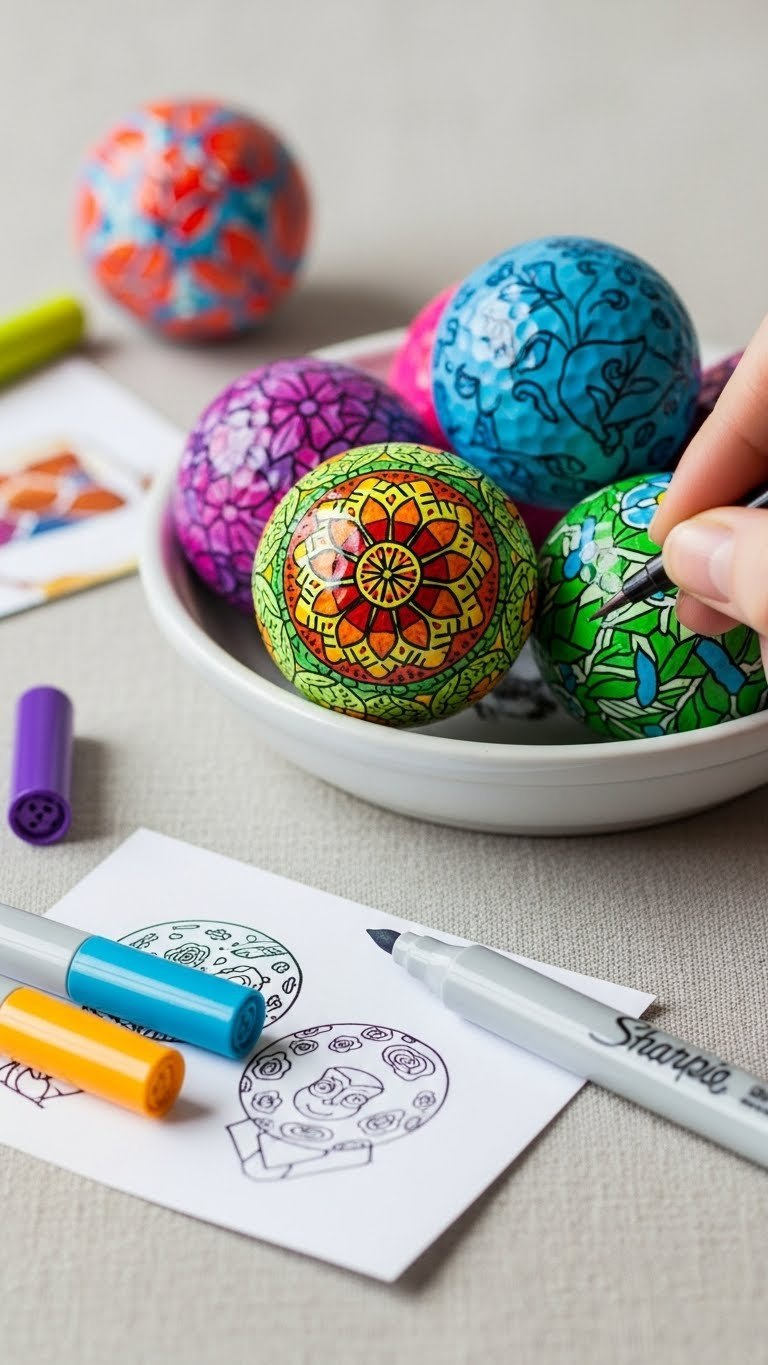
Pin this genius hack to your ‘Creative Golf Art’ board!
Supplies Needed
- Clean, used or new practice golf balls for crafting
- Set of fine-tip permanent markers (e.g., Sharpie industrial markers for maximum durability)
- Set of acrylic paint pens (e.g., Posca paint pens for opaque, vibrant coverage)
- Rubbing alcohol and cotton swabs for corrections
- Pencil for light sketching of initial designs
- Paper towels or a clean cloth
Step-by-Step Directions
- Prepare the Surface: Ensure your golf balls are completely clean and dry. Lightly sketch your desired design onto the ball using a pencil.
- Outline Your Design: For intricate patterns, start by outlining your sketch with a black fine-tip permanent marker.
- Color with Paint Pens: Fill in larger areas using acrylic paint pens. Allow each color to dry completely before applying another coat or neighboring color to prevent bleeding, especially for “vibrant aesthetic” results.
- Add Details: Use the fine-tip markers or specialized paint pens for intricate details, lettering, or adding texture.
- Cure and Correct: Allow the ink and paint to fully cure (Sharpies typically 24 hours, paint pens 1-3 days). Use rubbing alcohol on a cotton swab for small error corrections, but be gentle to avoid smudging.
- Assess Durability: Once cured, gently test the decorated golf ball for adhesion.
Pro-Tip: For truly “durable aesthetic” designs, always prime darker golf balls with a layer of white acrylic paint pen before applying colors. This ensures vibrant, true-to-shade results on any background.

2. Achieve Precision with Stencils & Templates for Uniform Designs
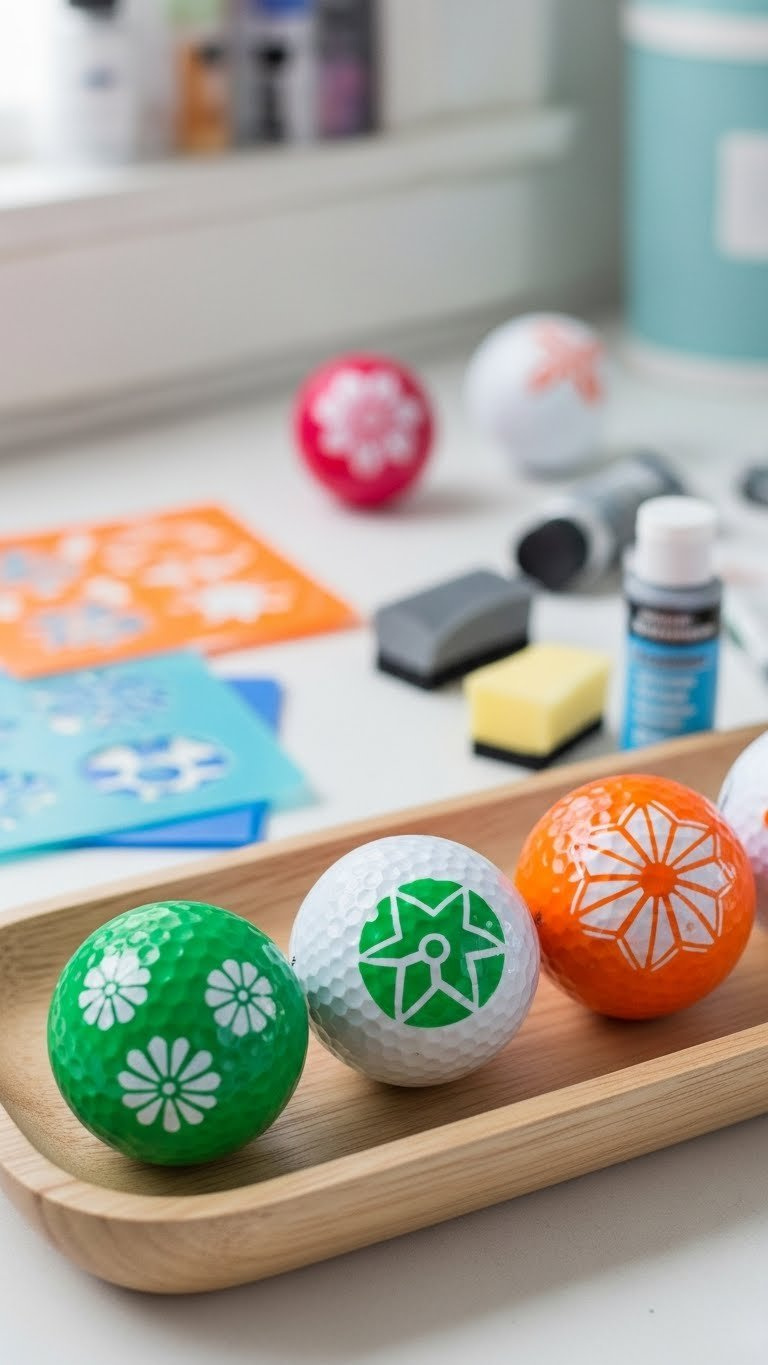
Save this tip for perfectly symmetrical golf ball aesthetics!
Supplies Needed
- Clean golf balls
- Reusable vinyl stencils or small adhesive stencils for crafts
- Acrylic paint or permanent paint pens
- Small dabbing sponges or stencil brushes
- Masking tape (for non-adhesive stencils)
- Tweezers (for intricate stencils)
- Paper towels
Step-by-Step Directions
- Select Your Stencil: Choose a stencil design that fits the curvature of the golf ball. Vinyl or thin plastic stencils work best.
- Position the Stencil: Carefully place your stencil on the golf ball. If it’s adhesive, press firmly. For non-adhesive stencils, secure it with small pieces of masking tape.
- Apply Paint/Ink: Dip your dabbing sponge or stencil brush into a small amount of acrylic paint or use a paint pen. Dab vertically over the stencil opening, applying light, even coats. Avoid swiping to prevent paint bleeding under the edges.
- Remove Stencil: While the paint is still slightly damp (but not wet), gently peel off the stencil using tweezers for precision.
- Clean Up: Immediately clean your stencils with water if using acrylics, or rubbing alcohol for paint pens, to ensure longevity.
- Allow to Dry: Let the design dry completely before handling or applying a sealant.
Pro-Tip: For truly “high-visibility” and crisp stenciled lines, apply several thin layers of paint rather than one thick layer. This prevents paint from seeping under the stencil’s edges, ensuring a sharp “custom golf ball logo” effect.

3. Seal Your Style: The Pro Guide to Durable, Long-Lasting Finishes
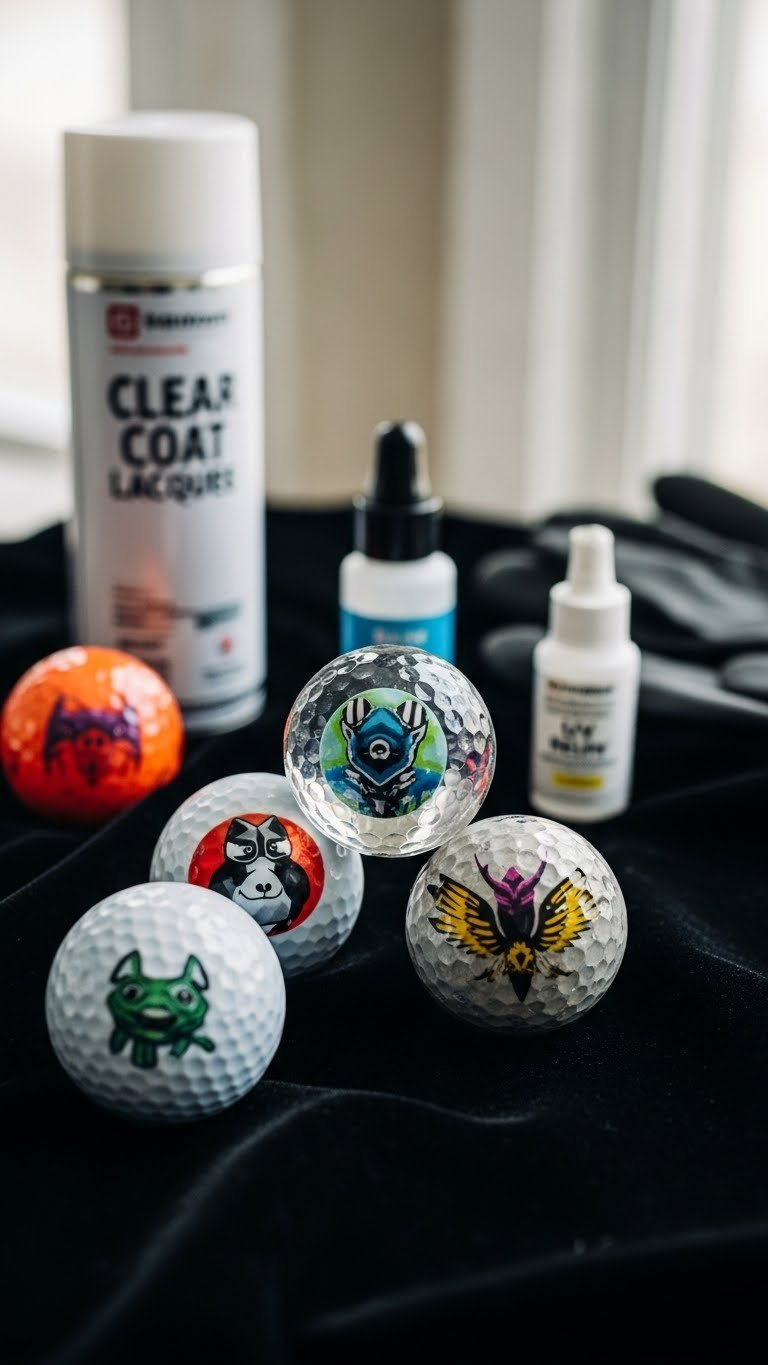
Keep your designs flawless! Pin this guide to your ‘Golf Ball Care’ board.
Supplies Needed
- Fully dried decorated golf balls
- Clear acrylic sealant spray (matte or glossy finish, e.g., Rust-Oleum Clear Coat)
- OR Brush-on polyurethane varnish (e.g., Minwax Polycrylic)
- OR UV resin and UV lamp (optional, for ultra-glossy, hard finish)
- Gloves
- Well-ventilated area or respirator mask
- Small cups or golf tees (to prop up balls for drying)
Step-by-Step Directions
- Ensure Dryness: Confirm your golf ball designs are completely dry (at least 24-72 hours, depending on paint/ink type).
- Prepare Work Area: Work in a well-ventilated area (or outdoors) and wear gloves. Prop up each golf ball on a golf tee or small cup.
- Apply Sealant Spray: Holding the clear acrylic sealant spray 6-8 inches away, apply a light, even coat to the entire ball. Rotate the ball to cover all sides. Let dry for 15-20 minutes.
- Build Layers: Apply 2-3 more thin coats, allowing adequate drying time between each, for maximum “durable clear coating” and UV protection.
- Brush-on Varnish (Alternative): If using brush-on polyurethane varnish, apply thin coats with a soft brush, allowing full dry time between layers. This offers a very “long-lasting finish”.
- UV Resin (Advanced): For an “epoxy resin coating”, carefully apply a thin layer of UV resin, rotating the ball to ensure even coverage. Cure under a UV lamp according to product instructions. This creates a hard, glass-like “glossy finish”.
- Final Cure: Allow the sealed golf balls to cure for at least 24-48 hours before handling extensively or using.
Pro-Tip: To prevent yellowing over time and enhance “uv protection for art”, always opt for clear sealants specifically labeled as non-yellowing and UV-resistant. This ensures your aesthetic decorated golf balls maintain their vibrant colors.

4. Choosing Your Medium: Sharpie vs. Paint Pens vs. Acrylic Paints
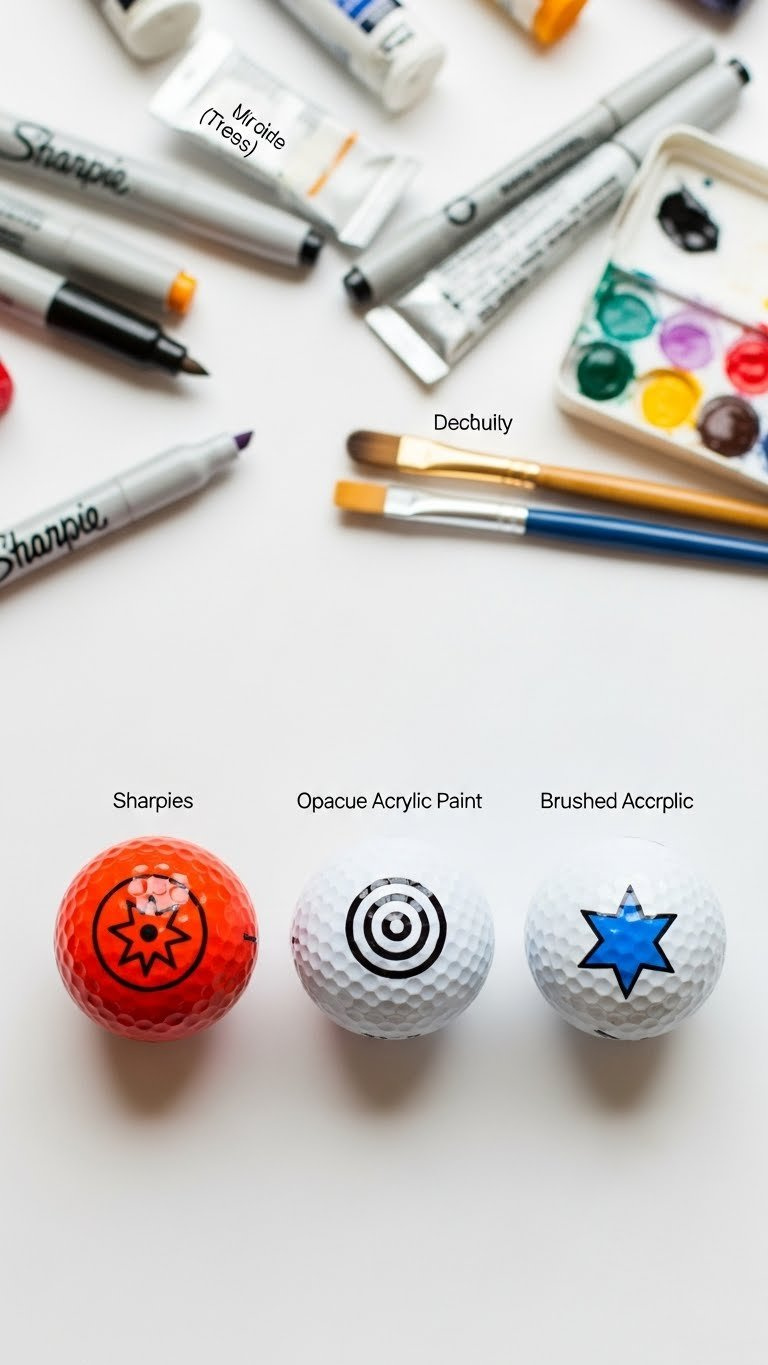
Decisions, decisions! Pin this guide to your ‘DIY Golf Ball Hacks’ board.
Supplies Needed
- A selection of golf balls for testing
- Various Sharpie markers (fine, ultra-fine, metallic)
- Various acrylic paint pens (Posca, Artistro)
- Small tubes of acrylic craft paint and fine paint brushes
- Rubbing alcohol for Sharpie/paint pen cleanup
- Water for acrylic paint cleanup
- Paper towels
How To Evaluate Your Medium
- Test Sharpie Markers: Draw a small design on a golf ball. Observe the transparency, bleed (if any), and how quickly it dries. Note the thin line capability and semi-transparent finish.
- Test Acrylic Paint Pens: Draw a similar design using an acrylic paint pen. Notice the opacity, coverage, and how it handles on the dimpled surface. Evaluate its “vibrant” and “opaque” finish.
- Test Acrylic Paint: Apply a design using a fine brush and acrylic craft paint. Assess the control, potential for blending, and the final “textured” appearance.
- Compare Results:
- Sharpies are great for outlining, thin lines, and subtle color washes. They’re quick-drying and beginner-friendly but less opaque.
- Acrylic Paint Pens offer excellent opacity, bold colors, and ease of use, making them ideal for filling in designs. They achieve a “matte finish” unless sealed.
- Traditional Acrylic Paint provides the most control for blending and custom colors, but requires more skill and a steady hand. It can offer a “handmade” look.
- Consider Durability (Pre-Sealant): Gently scratch each dried test design to get a preliminary idea of adhesion before sealing.
- Choose Your Aesthetic: Select the medium that best fits your desired aesthetic (e.g., intricate Sharpie details, bold paint pen blocks, or painterly acrylic strokes) and project requirements.
Pro-Tip: While Sharpies are convenient, for true “durable aesthetic” and vibrancy, acrylic paint pens or traditional acrylics followed by a strong sealant almost always outperform markers. The opacity of paint provides better UV resistance and a more uniform color layer.

5. Hydro-Dipping 101: Create Unique Swirl Patterns with This Advanced Technique
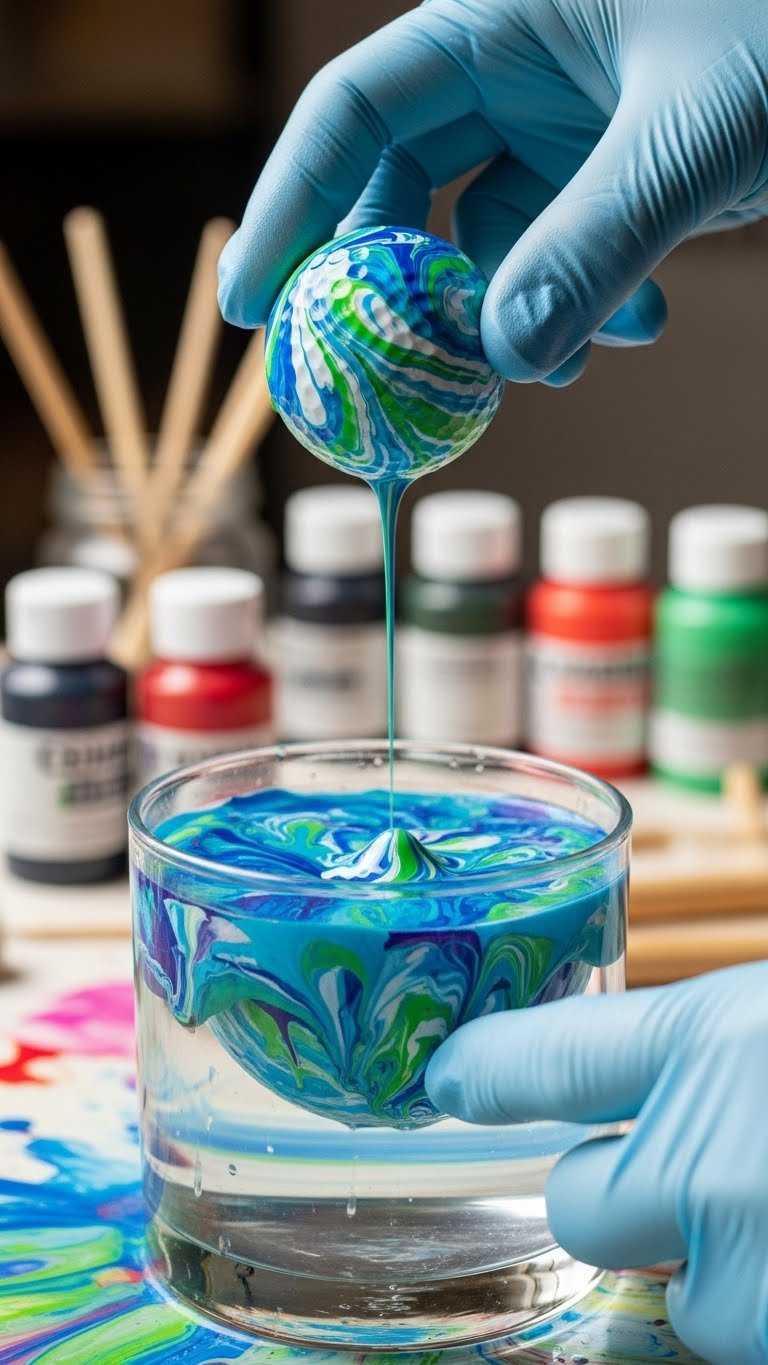
Ready for next-level golf ball art? Pin this advanced technique!
Supplies Needed
- Clean, primed golf balls (white or light base coat recommended)
- Deep container filled with room-temperature water (bucket or tub)
- Several colors of oil-based enamel paint (e.g., Testors Enamel Paint)
- Wooden stir sticks or skewers
- Disposable gloves
- Newspaper or drop cloth
- Clear acrylic sealant spray (from Tip 3)
Step-by-Step Directions
- Prime Golf Balls: For best results, apply a coat of white or light-colored primer to your golf balls and let dry completely.
- Prepare Water Bath: Fill your container with room-temperature water. Lay down newspaper to protect your workspace.
- Drip Paint: Put on gloves. Drip drops of oil-based enamel paint onto the surface of the water, alternating colors. The paint will spread out into thin films.
- Create Swirls: Use a wooden stir stick or skewer to gently swirl the paint on the water surface into your desired “unique swirl patterns”. Do not overmix.
- Dip the Golf Ball: Slowly and steadily dip one primed golf ball into the paint film on the water. Submerge it fully, rotating slightly if needed to pick up the pattern.
- Rinse & Dry: Once submerged, gently pull the golf ball out. The paint will cling to the surface. Gently rinse the ball under very slow-running water to remove any excess paint film that didn’t adhere.
- Cure & Seal: Place the hydro-dipped golf ball on a drying rack. Allow it to air dry for at least 24-48 hours. Once completely dry, apply a clear acrylic sealant spray as described in Tip 3 for a “durable, long-lasting finish”.
Pro-Tip: The key to successful “hydro-dipping golf balls” lies in the water temperature and paint quality. Experiment with a few drops of paint in a small container first to check how the paint spreads. Water that’s too cold will cause paint to clump, while too warm may make it spread too quickly.

6. Displaying Your Art: Creative Ways to Showcase Decorated Golf Balls
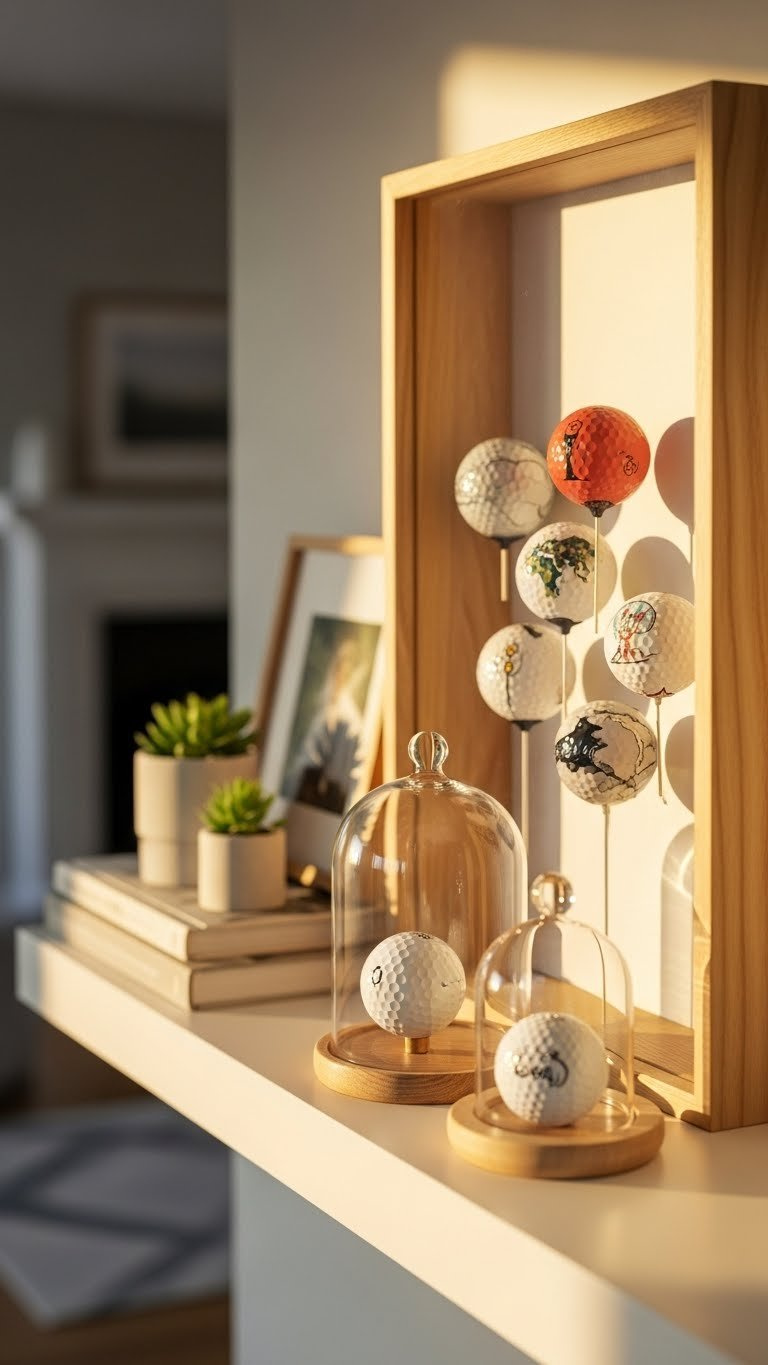
Show off your masterpiece! Pin these display ideas to your ‘Golf Decor’ board!
Supplies Needed
- Your collection of aesthetic decorated golf balls
- Clear acrylic display cases (individual or multi-ball)
- Wooden golf ball racks or stands
- Shadow box frames with a foam core backing
- Hot glue gun and glue sticks (for securing, if needed)
- Floral moss or decorative filler (for craft projects like golf ball trees)
- Styrofoam cones (for golf ball trees)
How To Create Your Display
- Individual Stands: Place each unique decorated golf ball on a small clear acrylic or wooden stand. Arrange them on a shelf, desk, or mantelpiece.
- Display Cases: Organize multiple decorated golf balls in a multi-ball display case. Look for cases with UV protection to preserve the colors.
- Shadow Box Art: Arrange your favorite decorated golf balls inside a shadow box frame. You can use a hot glue gun to secure them in place on a fabric or foam-backed insert, creating a “custom golf ball display”.
- DIY Golf Ball Tree: For a festive or “seasonal/holiday content” display, hot glue decorated golf balls onto a styrofoam cone, filling gaps with floral moss.
- Wall Mounted Racks: Install a wooden golf ball rack on a wall to create a functional and decorative display, showcasing your collection like trophies.
- Cloche or Jar: For a simple yet elegant look, place a few aesthetic decorated golf balls in a clear glass cloche or a wide-mouthed decorative jar.
Pro-Tip: When displaying decorated golf balls, always choose display methods that minimize direct sunlight exposure. UV rays can fade even sealed designs over time, so opt for UV-protective cases or place them in shaded areas to maintain their “vibrant aesthetic”.

7. The Gifting Edge: Personalize Decorated Golf Balls for Every Occasion

Make every gift a hole-in-one! Pin these personalized golf ball ideas!
Gift Details
- Personalized Decorated Golf Balls: Each ball should be a unique creation, reflecting the recipient’s interests, favorite colors, or a special message.
- Key Features: Handmade, unique, thoughtful, customizable, durable if sealed correctly.
- Who it’s Perfect For: Golf enthusiasts, coaches, groomsmen, fathers, mothers, colleagues, anyone who appreciates a thoughtful, custom gift.
- Price Range: Varies greatly depending on materials and complexity, but generally very affordable to create.
Why It Works
- Uniqueness: A personalized decorated golf ball stands out from generic gifts, showcasing the thought and effort put into it. It’s a truly “unique golf gift”.
- Customization: Tailor the design to the recipient’s personality – their favorite sports team logo, a pet’s portrait, an inside joke, or a simple elegant monogram for a truly “custom aesthetic”.
- Memorable Keepsake: Even if not used on the course, a beautifully decorated golf ball can serve as a cherished keepsake or a decorative item, especially if displayed as per Tip 6.
- Cost-Effective Thoughtfulness: DIY decorated golf balls offer a high impact gift without a high price tag, perfect for a personalized yet budget-friendly present.
- Presentation Matters: Enhance the gift’s appeal with creative packaging. Use small, clear gift boxes, fill with crinkled paper, or tie with a beautiful ribbon to create an “aesthetic golf ball packaging idea”.
- Practical & Fun: For golfers, it’s a great way to identify their ball easily on the course. For non-golfers, it’s a quirky piece of “sports memorabilia” or “diy home decor”.
Pro-Tip: When creating personalized golf ball gifts, always consider the recipient’s typical golf ball usage. If they’re a serious player, focus on subtle markings or designs that won’t impact flight. For casual players or decorative use, feel free to unleash full artistic creativity for a truly “aesthetic” statement.

FAQs About Aesthetic Decorated Golf Balls
What are the best markers to use for aesthetic decorated golf balls?
For durable and vibrant aesthetic decorated golf balls, acrylic paint pens like Posca or Artistro are highly recommended for their opacity and adherence. Fine-tip permanent markers such as Sharpies are excellent for outlining and intricate details, but may offer less opacity on darker balls. For full coverage, traditional acrylic paints applied with a fine brush are also effective, especially when followed by a strong sealant.
How can I make my decorated golf balls more durable?
To ensure your decorated golf balls are durable and long-lasting, applying a protective sealant is crucial after the design is completely dry. Options include clear acrylic sealant sprays (matte or glossy), brush-on polyurethane varnishes, or for an ultra-hard finish, UV resin cured under a UV lamp. Proper curing time for both paint and sealant is essential for maximum resilience against wear and elements.
Are decorated golf balls legal for tournament play?
Generally, extensively decorated golf balls that significantly alter the ball’s aerodynamic properties or weight are not legal for official tournament play. However, minor markings for identification, such as small dots, initials, or simple lines made with a fine-tip marker, are usually permissible by golf governing bodies. Always consult the specific tournament rules or the USGA/R&A regulations if playing competitively.
How do you put a custom logo or image on a golf ball?
You can put a custom logo or image on a golf ball using either stencils for precise application or by freehand drawing with paint pens for artistic freedom. For more professional, printed-like results, vinyl stencils can be applied, and then acrylic paint dabbed over them. Advanced methods include hydro-dipping or even specialized UV printing services for highly detailed and permanent custom imagery.
What’s the difference between using Sharpies vs. paint pens on golf balls?
Sharpies offer semi-transparent, quick-drying lines, ideal for intricate details or outlining, but may fade over time and offer less vibrant color on dark surfaces. Acrylic paint pens, in contrast, provide opaque, bold color coverage with better vibrancy and durability, making them suitable for filling larger areas and achieving a more solid “aesthetic design.” Both require sealing for longevity.
How do I prevent paint from smudging or fading on decorated golf balls?
To prevent smudging or fading on decorated golf balls, ensure each layer of paint or ink is completely dry before applying the next, and always finish with a durable clear sealant. Using high-quality, permanent art supplies designed for plastic surfaces helps. Additionally, storing decorated balls away from direct sunlight and extreme temperatures will prolong the vibrancy and integrity of the designs.
What are some creative ways to display aesthetic decorated golf balls?
Aesthetic decorated golf balls can be creatively displayed in various ways, transforming them into unique home decor pieces. Options include clear acrylic display cases, sleek wooden golf ball racks, or custom shadow boxes to highlight individual designs. For a craftier approach, hot-gluing them onto a styrofoam cone creates a “golf ball tree,” or placing them in glass cloches adds an elegant touch.
Can I use regular acrylic paint to decorate golf balls?
Yes, you can use regular acrylic paint to decorate golf balls, but it’s often more challenging to apply smoothly due to the ball’s dimpled surface and non-porous nature. For best results, choose artist-grade acrylics, use fine brushes for control, and consider priming the ball first. Multiple thin coats are better than one thick coat, and a strong clear sealant is absolutely essential for durability.
How do you hydro-dip a golf ball for unique patterns?
To hydro-dip a golf ball, slowly drip oil-based enamel paints onto the surface of room-temperature water, then gently swirl the colors to create unique patterns. Carefully submerge a primed golf ball into the swirled paint film, allowing the paint to adhere to its surface. After removing, rinse off excess surface paint, let it dry completely for 24-48 hours, and then seal with a clear coat for protection.
What golf balls are best for decorating to achieve an aesthetic look?
For decorating to achieve an aesthetic look, clean, white or light-colored golf balls (new or practice balls) typically provide the best canvas for vibrant designs. While any golf ball can be decorated, a smooth, uniform surface without excessive scuffs will allow for cleaner lines and more vivid colors. Consider inexpensive practice balls for extensive customization, as their playability isn’t the primary concern.
Final Thoughts on Aesthetic Decorated Golf Balls
Transforming a simple golf ball into a miniature work of art is a truly rewarding endeavor, offering both creative expression and practical utility. As we’ve explored, achieving stunning aesthetic decorated golf balls is well within reach, whether you’re a seasoned crafter or a beginner looking to add a personal touch to your game. From mastering the precision of paint pens and stencils to venturing into advanced techniques like hydro-dipping, the possibilities for customization are endless. Remember that proper preparation, careful application, and a durable clear sealant are the pillars of long-lasting, eye-catching designs.
Beyond the course, these personalized creations make exceptional gifts and unique decorative pieces, showcasing your individuality or celebrating a loved one’s passion. By applying these 7 pro tips, you’re not just decorating a golf ball; you’re crafting a statement. So, gather your supplies, unleash your inner artist, and get ready to impress with your truly one-of-a-kind custom golf ball designs. What unique design will you create first?
Last update on 2026-01-16 / Affiliate links / Images from Amazon Product Advertising API
