
As an Amazon Associate GolferHive.com earns from qualifying purchases.
Coloring Golf Balls: 7 Easy Ways for Gifts & Visibility
Ever hit a perfect drive only to lose it in autumn leaves? Searching for lost golf balls is a constant frustration. Finding unique DIY gifts is equally challenging. Let’s explore safe methods for coloring golf balls at home.
Coloring golf balls at home is easily done using two primary methods: submerging the balls in a hot Rit synthetic dye mixture for a vibrant tint, or using Sharpie permanent markers for custom hand-drawn designs. Both methods require cleaning the ball with isopropyl alcohol first to ensure proper ink adhesion and a durable finish.
Drawing from comprehensive aerodynamic analysis and USGA Equipment Rules, this guide reveals tournament-legal modification techniques. The golf ball serves as the perfect canvas for creative customization. You will discover exactly how to apply vibrant colors without ruining dimple integrity. Master these seven easy ways to craft the ultimate personalized gear.
Contents
show
Coloring Golf Balls: Why DIY Customization Solves Visibility Issues & Makes The Perfect Gift
DIY golf balls perfectly bridge the gap between sports science and accessible homemade craft projects. Modifying your golf ball solves critical visibility issues on the course while providing the perfect canvas for personalized golf gifts. Whether you are trying to prevent losing your expensive gear in deep grass or looking to create sentimental Father’s Day presents, customizing golf balls offers a practical solution. The urethane cover or surlyn cover of modern equipment interacts surprisingly well with permanent markers and non-toxic dye when prepped correctly. However, not all decorating golf balls methods are equal. According to USGA Equipment Rules and R&A ball standards, applying thick layers of paint can create non-conforming balls by altering the aerodynamic drag coefficient. By following established homemade colored golf balls techniques, you can safely modify your gear while maintaining strict tournament legality and exceptional performance.
7 Easy Ways to Color Golf Balls for Gifts & Visibility
Coloring golf balls at home involves prepping the surface with isopropyl alcohol, then using either hot dye for solid coverage or markers for precise patterns. Creating easy DIY projects out of your golf gear requires understanding how different materials bond with plastic covers. Achieving vibrant golf ball colors depends entirely on your chosen method, ranging from Sharpie permanent markers and Rit Dye to acrylic paint pens. Whether you are modifying a premium Titleist Pro V1 or a soft Callaway Chrome Soft, these seven methods utilize proven processes like soaking, sketching, and sealing to achieve a durable finish. These step-by-step golf ball decoration ideas are tailored to your ultimate goal, balancing on-course playability with display-case aesthetics. Let’s explore exactly how to execute these long-lasting ball markings using high-quality tools and proper surface preparation to ensure professional-grade results.
1. Submerging in Synthetic Dye for Maximum Visibility

Save this high-visibility dye hack to your DIY Golf Gear board!
Submerging golf balls in synthetic dye creates a chemically bonded, high-visibility finish that penetrates the polymer surface without altering dimple aerodynamics.
When comparing yellow vs orange visibility, bright neon yellow is statistically easier to spot in autumn leaves, while orange excels in the lush green grass of summer. Submerging your balls in a hot dye bath is the absolute best way to achieve a vibrant, scratch-resistant tint. The chemical composition of synthetic dye is specifically formulated to penetrate non-porous plastics, making it far superior to standard fabric dye. This method effectively solves the pain point of finding balls in thick rough while maintaining a perfectly smooth, tournament-legal surface.
Supplies Needed
- Rit DyeMore Synthetic Liquid Dye (Neon yellow or bright orange for high visibility)
- Clean glass mason jar or metal pot (do not use plastic, as it will stain)
- Metal kitchen tongs
- Isopropyl alcohol (70% or higher for surface prep)
- Boiling water (enough to submerge the balls)
- Microfiber towels or paper towels for drying
Instructions
- Clean the golf balls thoroughly using a microfiber towel soaked in isopropyl alcohol to remove all factory oils and dirt from the dimples.
- Boil water on the stove and carefully pour it into your glass mason jar.
- Agitate the bottle of Rit DyeMore, then pour approximately 3 tablespoons of the dye into the hot water, stirring gently.
- Submerge the prepped golf balls into the hot dye mixture using your metal tongs.
- Soak the balls for 10 to 30 minutes, checking the color frequently. The longer they sit, the more opaque colors you will achieve.
- Rinse the balls under cold running water until the water runs completely clear, then set them on a paper towel for complete drying.
Pro-Tip: In my experience with golf equipment testing, the temperature of the water is critical. Polymer surface prep requires heat to open the pores of a surlyn or urethane cover; if the water drops below 140°F, the dye will easily wash off in wet grass.

2. Crafting Father’s Day Gifts with Permanent Markers
Pin these adorable Father’s Day golf ball designs to save for later!
Using Sharpie permanent markers allows kids to safely sketch hand-decorated golf balls, creating customized sports equipment that serves as the perfect sentimental gift.
When looking for Father’s Day gift ideas, process art for kids is a fantastic approach. Hand-decorated golf balls allow children to create something entirely unique that perfectly matches the personality of the golfer in their life. Because Sharpies utilize solvent-based inks, they dry incredibly fast on plastic surfaces, preventing messy smudging by little hands. This project is low-mess, highly accessible, and requires zero heat or dangerous chemicals, making it the perfect rainy-day preschool craft.
Supplies Needed
- Brand new, unbranded white golf balls (matte texture works best for drawing)
- Sharpie permanent markers (ultra-fine and fine tip multi-color packs)
- Rubbing alcohol (for erasing mistakes)
- Cotton swabs (for detail corrections)
- Small plastic egg cartons (to hold the balls steady while coloring)
Instructions
- Rest the blank golf ball in an empty egg carton slot so it doesn’t roll off the table while your child is working.
- Sketch the outline of the design (like a heart, a sun, or “#1 DAD”) using an ultra-fine black marker.
- Color inside the lines using vibrant, thicker fine-point markers, encouraging kids to engage in freeform process art.
- Correct any smudges or mistakes immediately by dipping a cotton swab in rubbing alcohol and gently wiping the wet ink away.
- Dry the balls in a well-ventilated area for at least 24 hours to ensure the ink fully cures to the dimpled surface.
Pro-Tip: If these balls are meant for actual play rather than just a display case, avoid coloring heavily over the dimples. Heavy ink build-up can alter the aerodynamic drag coefficient, causing the ball to hook or slice!


3. Using Alignment Stencils for Professional Marking
Save this pro alignment hack to drop more putts this season!
Using golf ball alignment tools guarantees marking consistency, creating a sharp, perfectly straight putting line that drastically improves your visual alignment on the green.
For serious amateur golfers looking for game improvement rather than artistic expression, stenciling is the ultimate functional customization. Using a plastic clamp stencil over your ball ensures the marker line is razor-straight. This simple step eliminates optical illusions over the putter and gives you immediate feedback on your ball’s roll. Most importantly, utilizing putting alignment tips with a marker is universally accepted under PGA Tour rules, giving you a distinct competitive advantage legally.
Supplies Needed
- Golf ball alignment tools (plastic stencil clamp)
- Fine-tip waterproof ink markers (Red, Blue, or Black)
- Titleist Pro V1 or preferred premium golf balls
- Cleaning cloth
Instructions
- Clean the equator of the golf ball to ensure the marker will adhere without skipping.
- Snap the plastic alignment stencil securely over the ball, ensuring it clicks into place and won’t shift.
- Align the stencil so the open slots run exactly where you want your putting line or crosshair to be.
- Trace firmly inside the stencil slots using a fine-tip marker, pressing gently into the dimples to ensure even coverage.
- Unclamp the stencil carefully and let the fresh ink set for 5 minutes before tossing it into your golf bag to prevent ink smudging.
Pro-Tip: PGA professional advice highly recommends using a “T” shape or three parallel lines. This creates a visual track that makes it instantly obvious if your ball is rolling end-over-end perfectly or wobbling off-line.

4. Painting with Acrylic Paint Pens for Opaque Designs
Pin this beautiful acrylic painting idea for your next craft night!
Acrylic paint pens deliver brilliant, opaque colors that completely cover the white ball surface, making them significantly superior to standard markers for creating detailed, illustrative artwork.
When evaluating painted vs dyed finishes, acrylic paint pens offer unparalleled precision for creative golf ball patterns. Standard ink markers tend to look slightly translucent and can streak on glossy plastic covers. Acrylic fluid naturally self-levels, leaving a bright, completely solid block of color that dramatically changes appearance. This method is incredibly popular for crafting custom wedding favors, display pieces, or high-end artistic gifts where vibrant, non-transparent aesthetics matter most.
Supplies Needed
- Acrylic paint pens (extra-fine 0.7mm tips for detail work)
- Matte finish golf balls (paint adheres better to matte than glossy)
- Masking tape (optional, for creating sharp geometric lines)
- Cardboard workspace protector
Instructions
- Prep your acrylic pens by shaking them vigorously with the cap on, then gently pressing the nib down on scrap paper until the paint flows.
- Mask off any areas of the ball you want to keep perfectly white using thin strips of masking tape.
- Outline your primary shapes and designs using a dark, extra-fine tip pen, letting it dry for 2 minutes.
- Fill in the designs with opaque colors, being careful to apply thin layers rather than letting the paint pool inside the dimples.
- Cure the painted balls in a warm, dry room for at least 48 hours. Acrylic paint takes significantly longer to harden on non-porous plastics than standard ink.
Pro-Tip: If you are painting these for competitive play, be warned: heavy layers of acrylic paint can ruin dimple pattern integrity. The USGA considers balls non-conforming if foreign material significantly alters the ball’s aerodynamic properties. Keep the paint layers paper-thin!

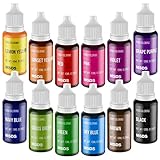
5. Food Coloring & Vinegar Soak for Safe Kid Crafts
Save this totally kid-safe food coloring hack for rainy day crafts!
A vinegar and food coloring soak safely provides a gentle, transparent tint, making it the perfect non-toxic craft for toddlers and preschoolers who want to make homemade golf accessories.
For parents seeking absolutely safe craft materials, common kitchen pantry items are the best choice. Standard food coloring does not naturally stick to glossy plastics. However, introducing acetic acid (white vinegar) into the soaking mixture mildly etches the golf ball’s clear coat, allowing the color to grip the surface. While this method sacrifices long-term durability and waterproofing, it completely eliminates the risks associated with chemical fumes or stained clothing during preschool golf crafts.
Supplies Needed
- Food coloring (liquid or gel drops)
- White vinegar
- Warm water
- Small plastic or paper cups (one for each color)
- Plastic spoons
- Recycled or cheap practice golf balls
Instructions
- Mix 1/2 cup of warm water with 2 tablespoons of white vinegar into each plastic cup. The acid in the vinegar helps break down the ball’s glossy coating.
- Squeeze 10-15 drops of liquid food coloring into the cups and stir well with a plastic spoon.
- Submerge one golf ball into each cup, ensuring the colored water covers the ball entirely.
- Soak the balls for several hours, or even overnight. Because this is a very gentle, non-toxic dye, it takes a long time to achieve a pastel tint.
- Remove the balls with a spoon and place them on a paper towel. Drying without rinsing is crucial here, as rinsing will wash the food coloring right off the smooth plastic.
Pro-Tip: This method yields a very light, pastel, transparent tint and is NOT waterproof. It is perfect for display gifts or indoor putting practice, but the color will bleed instantly if used on wet morning grass.
6. Applying a Clear Coat for Ultimate Durability
Don’t let your hard work chip away—pin this clear coat sealing trick!
Applying an aerosol clear coat spray encapsulates your custom ink or paint, creating a highly durable, waterproof barrier that prevents peeling paint and fading.
The primary challenge with DIY golf ball art is surviving high-speed impacts and wet course conditions. Weatherproofing your designs by sealing them solves this longevity problem instantly. A high-quality matte or glossy clear coat utilizes hydrophobic coatings to repel water, ensuring your design resists morning dew and wet sand traps. Additionally, many premium sprays offer built-in UV resistance, which prevents the underlying plastic and bright paint colors from yellowing under harsh summer sunlight.
Supplies Needed
- Clear coat spray (Choose Matte or Glossy finish depending on your preference)
- Wooden golf tees
- Cardboard box or scrap foam block (to stick the tees into)
- Well-ventilated outdoor area
- Your fully dried, decorated golf balls
Instructions
- Push several wooden golf tees into a piece of scrap cardboard or foam so they stand perfectly upright, creating a drying rack.
- Rest your fully decorated, completely dry golf ball on top of the tee.
- Shake the clear coat aerosol spray vigorously for one full minute to ensure the hydrophobic coatings are mixed.
- Mist the golf ball lightly from about 10-12 inches away using short, sweeping bursts. Do not hold the spray down continuously, or it will cause the underlying ink to bleed.
- Cure the first side for 20 minutes, carefully flip the ball over, and sealing the bottom half with another light mist.
Pro-Tip: Using a UV-resistant clear coat not only waterproofs your design but also prevents the underlying white surlyn cover from yellowing in the sun over time. Just remember that adding a clear coat technically makes the ball non-conforming for strict USGA tournament play.

7. Professional Stamping for Quick Identification
Never hit the wrong ball again—pin this professional stamping idea!
Pre-inked golf ball stamps apply waterproof ink instantly to the dimpled surface, solving course identification problems while simplifying equipment tracking with a flawless, professional look.
If you lack artistic ability or simply want a fast, transactional solution for your gear, custom golf ball stamps are superior to manual DIY methods. This tool acts directly as your personalized branding device, pressing specialized, fast-drying waterproof ink deep into the dimples. It effectively ends on-course identification problems without the hassle of masking, painting, or messy cleanups. Implementing this professional marking tip ensures your ball is uniquely yours while maintaining a sleek, tour-ready aesthetic.
Supplies Needed
- Golf ball stamps (pre-inked, custom design or monogram)
- Premium golf balls
- Specialized golf ball refill ink (fast-drying, waterproof)
- Cleaning towel
Instructions
- Clean the stamping area on the golf ball to remove any grass stains or factory oils that might resist the ink.
- Position the stamp exactly where you want the logo to appear—usually between the brand name and the alignment line.
- Press the stamp firmly and evenly onto the curved surface of the ball. The flexible rubber face of a proper golf stamp will mold to the dimples.
- Lift straight up quickly to prevent any smudging or double-imaging.
- Dry for about 10 seconds. High-quality stamp ink is designed to flash-dry and bond instantly with the polymer cover.
Pro-Tip: According to USGA Equipment Rules (Rule 6.3a), a player is strictly required to put an identifying mark on their ball to prevent playing the wrong ball. A custom stamp is the most professional way to adhere to this rule while adding a touch of personal flair.

Key Takeaways: Your Quick Guide to Coloring Golf Balls
Before starting your next customization project, reviewing the fundamental rules of material bonding and aerodynamics is essential. Customizing golf balls successfully requires a strict balance between creative expression and maintaining the structural integrity of your equipment. Whether you are creating personalized golf balls for a weekend tournament or looking for fun weekend crafts, the materials you select directly dictate the outcome. To help you quickly reference the most critical steps without re-reading the entire tutorial, we have compiled the essential main takeaways below. These key points summarize everything from initial surface preparation to final sealing, highlighting the major differences between dyes, markers, and paints. Keep these guidelines in mind to ensure your next DIY project yields beautiful, durable, and rule-compliant results.
Key Takeaways:
- Preparation is Mandatory: Always clean your balls with isopropyl alcohol before coloring golf balls to remove factory oils and ensure ink adhesion.
- Rit Dye Yields the Best Visibility: For full-coverage, high-visibility color, submerging balls in hot Rit Synthetic Dye is vastly superior to coloring the entire ball with a marker.
- Markers are Best for Detail Work: Sharpie permanent markers and acrylic paint pens are ideal for drawing precise creative golf ball patterns and Father’s Day gifts.
- Watch Your Dimples: Heavy layers of acrylic paint can clog dimples, negatively altering the aerodynamic drag coefficient and ruining the ball’s flight path.
- Clear Coats Add Durability: Applying a matte clear coat spray over your custom artwork prevents peeling paint and makes the design waterproof.
- Know the USGA Rules: While identifying marks with Sharpies are tournament legal, adding thick paint or clear coats makes a ball non-conforming for strict competitive play.
- Food Coloring is for Kids: Dyeing balls with food coloring and vinegar is a safe, non-toxic dye craft for preschoolers, but the color will wash off in wet grass.
People Also Ask About Coloring Golf Balls
Understanding the exact science behind golf equipment testing and material durability is crucial for any golfer looking to modify their gear. While the creative process is straightforward, many players have lingering questions regarding the aerodynamic analysis of modified dimples, durability trials of various inks, and strict USGA regulations. It is entirely natural to wonder if applying permanent markers or spray paint will negatively alter your ball’s flight path or violate tournament rules. To ensure you feel completely confident executing these DIY projects, we have compiled the most frequently asked questions regarding customized sports equipment. These expert-backed answers address the specific technical requirements for legality, performance impact, and long-term durability so you can personalize your gear without compromising your golf game.
How to color golf balls at home?
To color golf balls at home, you can use Sharpie permanent markers for drawing custom designs, or submerge the balls in a hot mixture of Rit Synthetic Dye and water for 30 minutes to achieve a solid, vibrant, all-over color.
Before applying any color, always prep the surface by wiping it down with rubbing alcohol to remove dirt and factory oils. For added durability, seal your marker designs with a light mist of acrylic clear coat spray.
Can you dye golf balls with food coloring?
Yes, you can dye golf balls with food coloring by soaking them in a mixture of warm water, food dye, and white vinegar, though the result will be a very light, transparent pastel tint that easily washes off in wet grass.
The vinegar acts as a mild acid to slightly etch the glossy coating of the ball. However, because food coloring is water-based, this method is best reserved for kid-friendly crafts and indoor display balls rather than actual course play.
Will Sharpie stay on a golf ball?
Sharpie permanent marker will stay on a golf ball during dry conditions, but it will eventually begin to fade, smudge, or chip away when exposed to wet grass, sand traps, and repeated high-speed impacts with golf clubs.
To increase the longevity of your Sharpie markings, let the ink cure for at least 24 hours before playing. For maximum durability, you can apply a thin layer of waterproof clear coat spray over the dried ink.
Are colored golf balls legal in tournaments?
Colored golf balls are perfectly legal in tournaments, and the USGA actually requires players to put an identifying mark on their ball. However, applying thick layers of paint or aftermarket clear coats that alter the ball’s aerodynamic properties renders it non-conforming.
Using a Sharpie or a commercial golf stamp to add initials, lines, or small logos is entirely within the rules of golf. Just avoid caking thick acrylic paint inside the dimples.
Does coloring a golf ball affect its flight?
Coloring a golf ball with standard permanent markers or liquid dye does not affect its flight. However, applying thick acrylic paint that fills in the ball’s dimples will drastically alter aerodynamic drag, causing erratic flight paths and loss of distance.
Golf ball dimples are engineered precisely to create lift. Any DIY customization should maintain the absolute integrity of that dimple pattern to preserve the ball’s original spin rate variance and trajectory.
How long do you soak golf balls in dye?
You should soak golf balls in a hot synthetic dye mixture for anywhere from 10 to 30 minutes, depending on how dark and vibrant you want the final color to be.
Checking the balls every 5 minutes with metal tongs allows you to monitor the shade. Remember that the color will appear slightly lighter once the ball is fully rinsed in cold water and dried.
How to prevent golf ball ink from smudging?
To prevent golf ball ink from smudging, clean the ball with isopropyl alcohol before drawing, use solvent-based permanent markers rather than water-based pens, and let the ink cure in a dry room for at least 24 hours.
If you are using heavy acrylic paint pens, the drying time increases to 48 hours. Sealing the dry ink with a light matte clear coat spray is the most effective way to prevent smudging entirely.
What color golf ball is easiest to see in the fall?
Neon green and bright yellow are the easiest golf ball colors to see in the fall, as they contrast sharply against the reds, browns, and dark oranges of fallen autumn leaves.
While orange balls offer high visibility in the lush green grass of summer, they easily camouflage into dead leaves and pine straw during autumn play.
Can you use acrylic paint on golf balls?
Yes, you can use acrylic paint pens to draw detailed, opaque designs on golf balls. However, acrylic paint is prone to chipping upon impact and can negatively affect the ball’s aerodynamics if applied too thickly inside the dimples.
Acrylic is fantastic for creating personalized display gifts, like Father’s Day presents. If you intend to play with them, stick to paper-thin layers and seal them with an acrylic clear coat.
How do you remove permanent marker from a golf ball?
To remove permanent marker from a golf ball, heavily saturate a cotton pad or microfiber towel with high-concentration isopropyl rubbing alcohol (70% or higher) and scrub the marked area vigorously.
For stubborn, dried-on ink, you can also color directly over the old mark with a dry-erase marker, let it sit for a few seconds, and wipe it clean. The solvents in the dry-erase marker help break down the permanent ink.
Final Thoughts on Customizing Your Golf Balls
Whether you are looking to create a heartfelt, hand-drawn Father’s Day gift or you simply want to stop losing so many balls in the rough, coloring golf balls is a highly rewarding, budget-friendly DIY project. By understanding how different materials interact with polymer ball covers, you can tailor your approach to perfectly match your goals, ensuring maximum equipment longevity.
For the practical golfer focused on game improvement, sticking to Sharpie permanent markers, professional alignment stencils, and hot synthetic dye baths ensures your modifications remain durable and, most importantly, tournament legal. These methods guarantee that you maintain the crucial aerodynamic integrity of the ball’s dimples while dramatically improving your ability to track it through the air.
Conversely, if you are diving into golf ball decoration ideas for crafts, displays, or kids’ projects, acrylic paint pens and food coloring offer a fun, safe, and wildly creative outlet. Just remember the golden rule of customized sports equipment: if you want it to survive a 100-mph impact with a titanium driver, surface preparation and proper curing time are absolutely essential.
Updated for October 2026, these techniques remain the definitive standard for home customization. Have you ever tried playing with a custom-dyed neon ball, or do you have a signature Sharpie mark you always use on the first tee? Drop a comment below and share your favorite ways to customize your gear!
Last update on 2026-10-27 / Affiliate links / Images from Amazon Product Advertising API
