

As an Amazon Associate GolferHive.com earns from qualifying purchases.
Your Ultimate 90s Golf Style Guide Mock Neck to Pleats
Feeling trapped in a sea of slim-fit, technical polos? You’re not alone. The endless parade of modern golf clothes can feel uninspired and restrictive.
This feeling of fatigue is what’s driving the return of the 90s golf aesthetic, a style defined by a transition to bolder, looser, and more athletic sportswear. It’s a nostalgic look that prioritizes comfort and individuality over conformity.
The 90s Golf Aesthetic is a style movement defined by a bold, oversized silhouette, utilizing geometric patterns, synthetic fabrics, and iconic pieces like the mock neck and pleated pant. This ultimate guide will show you exactly how to recreate this iconic look for the modern course, ensuring you look stylishly vintage, not simply outdated.
Contents
show
Are Modern Golf Clothes Too Boring? Defining the 90s Aesthetic
If you’ve found yourself looking at the current landscape of golf fashion and thinking it all looks the same, you’ve hit on the very reason the 90s golf aesthetic is making a comeback. The modern uniform of ultra-slim fits and muted technical wear can feel one-dimensional. The 90s offered a dramatic alternative, marking a critical shift in golf fashion history toward performance fabrics and undeniable celebrity influence.
The core of this nostalgic golf attire is the “Big Shirt, Big Pants” silhouette. This was a radical departure from the tailored looks that came before. Fit was intentionally loose and boxy, a choice that emphasized comfort and freedom of movement. This retro golf style also embraced a new generation of materials. The industry moved away from traditional cottons toward synthetic polyester blends, which held vibrant colors better, resisted wrinkles, and were seen as the pinnacle of performance technology in the 2026. This shift is what gave 90s golf fashion its signature sheen and allowed for the explosion of bold patterns and color blocking.
The Iconography of the 90s: Tiger Woods and Michael Jordan’s Influence
The 90s golf aesthetic wasn’t born in a vacuum; it was forged by two of the biggest sports icons on the planet. Their influence cemented the key garments of the era into the golf fashion history books.
Tiger Woods was the minimalist icon. His partnership with Nike Golf brought the mock neck shirt to the forefront. When he won the 1997 Masters, his solid red mock neck paired with black pleated trousers became an instant uniform for a new generation of golfers. His style was clean, powerful, and athletic, using solid, high-contrast colors to create a look that was both intimidating and impossibly cool. The mock neck’s rise was a subtle act of rebellion, bypassing the traditional collar rule while offering a streamlined, modern silhouette.
On the other side of the spectrum was Michael Jordan, the maximalist icon. When he took to the golf course, he brought his signature high-volume fit and bold style with him. Jordan was known for his statement pants—often featuring loud patterns and vibrant colors—paired with a simple, oversized polo. His golf outfits were unapologetic and confident, bridging the gap between celebrity athletic culture and the traditionally conservative world of golf.
Your 7 Essential Steps to Recreating the 90s Golf Look Today
Ready to build your own 90s-inspired golf outfit? This is your ultimate guide to the essential pieces. Each step breaks down exactly what you need and how to style it to achieve an authentic, course-compliant look.
1. Mastering the Iconic Mock Neck Silhouette

Pin this iconic look to your ‘Golf Style Inspo’ board!
The mock neck golf shirt is the single most defining garment of the era. Popularized by Tiger Woods, it’s a minimalist statement that screams 90s confidence.
Outfit Pieces Needed:
- Performance Mock Neck Shirt (Solid Red, Black, or White)
- High-Quality, Lightweight Pleated Trousers (Black or Khaki)
- Clean, White Leather Belt (must be wide, 1.5 inches)
Styling Tips:
- Tuck It In: The mock neck must be neatly tucked into the trousers. This maintains the sharp, iconic look and clean 90s silhouette that defined the Tiger Woods golf style.
- Prioritize Performance: Choose modern mock necks made from technical stretch fabric. These replicate the 90s look without the thick, hot synthetic materials of the original era.
- Check the Collar: Ensure the collar stands at least 1-1.5 inches tall. This short, standing band confirms course compliance at most public and resort courses.
- Monochromatic Base: Pair a single, bold mock neck color (like Tiger’s signature red) with a neutral trouser color (black or stone) for maximum impact and authenticity.
Pro-Tip: If playing a highly conservative private club, have a traditional polo ready, but the mock neck is almost universally accepted now due to its iconic status.

2. Sourcing and Tailoring the Perfect Pleated Trouser

Stop scrolling! Save this tailoring trick!
Baggy golf trousers are the foundation of the 90s silhouette, but there’s a fine line between stylishly vintage and just plain sloppy. The secret is tailoring.
Materials Needed:
- Vintage Double-Pleated Trousers (look for high waist and generous thigh room)
- Performance Stretch Golf Trousers (modern interpretation with light pleats)
- Professional Tailor/Seamstress
Step-by-Step Directions (The Tailoring Formula):
- Source by Waist: Buy vintage trousers that fit your waist exactly. Ignore the labeled length, as it will likely be too long for a clean, modern look.
- Keep the Volume: Instruct your tailor to preserve all the volume in the hips and thighs created by the pleats. This is the defining 90s characteristic.
- Set the Break: Have the trousers hemmed to ensure a slight break or no break over the shoe. This removes the “pooling” fabric at the ankle that instantly dates an outfit.
- Consider the Cuff: For maximum authenticity, ask for a 1.5-inch cuff or roll the cuff yourself to clean up the ankle line and add structure.
Pro-Tip: The highest volume 90s pants often have double pleats. Search specifically for this term on vintage marketplaces for the most authentic relaxed fit golf trousers.

3. The Oversized, Geometric-Print Polo

Save this color combination for your next round!
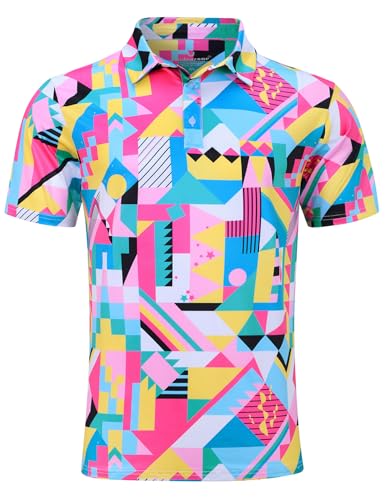
While the mock neck defines the minimalist side of the 90s, the oversized golf polo with loud golf prints represents its maximalist heart. Think bold geometric patterns and vibrant color blocking.
Outfit Pieces Needed:
- Oversized Polo Shirt (boxier than modern shirts; check arm volume)
- Plain, Solid Color Trousers or Shorts (Black, White, Cream, or Navy)
- Wide Brim Visor or Structured Baseball Cap (optional)
Styling Tips:
- Go Boxy: The 90s fit is all about volume. Look for a boxy fit golf shirt where the shoulder seam is slightly dropped and the sleeve circumference is generous. If it feels tailored, it’s not right.
- One Statement Piece: If your shirt has a bold pattern, your pants and accessories must be neutral (black, white, or navy). This allows the shirt to be the focus and avoids a chaotic look.
- Choose Your Length: The oversized fit often meant a longer torso length. If wearing it untucked on a more casual course, the hem should land no lower than the halfway point of your fly.
- Embrace Synthetics: Authentic 90s polyester blend golf shirts have a distinct, shiny texture that enhances the bold colors. It’s a key detail that separates the look from modern matte performance fabrics.
Pro-Tip: The collar stand on 90s polos was often higher than today’s. This helped the collar retain its structure, giving it a crisp look even when unbuttoned.
4. The Chunky Shoe: Completing the 90s Footwear Look

The “Big Shirt, Big Pants” silhouette requires a substantial shoe to anchor the look. Chunky golf shoes with a bulky profile are essential for achieving the correct proportions.
Products & Materials Used:
- Retro-Inspired Golf Sneakers (look for thick sole and visible tongue/collar padding)
- Classic Saddle Shoes (in white/black or white/brown contrast)
- Long White Crew Socks (an essential accessory for the period)
How to Style:
- Avoid Minimalism: The 90s golf shoe style requires a “heavy bottom” to balance the “boxy top.” Sleek, lightweight, minimalist modern golf shoes will look out of place.
- Embrace Bulk: Look for bulky golf footwear with a profile similar to late-90s basketball or tennis sneakers. Prioritize designs with visible cushioning and a substantial sole.
- Sock Rule: ALWAYS pair chunky shoes with long white crew socks, pulled up slightly above the ankle. Invisible or no-show socks completely break the period-correct aesthetic.
- Keep it Clean: A pristine pair of white leather golf shoes was a status symbol. Whether you choose vintage or new retro, ensure the upper is clean and not severely cracked or yellowed.
Lesson Learned: Modern shoe technology has far surpassed the 90s era. It’s often best to opt for modern retro designs that incorporate technical comfort into a vintage silhouette.

5. The Wide Belt and High-Profile Headwear Combo

Accessories are the final details that make the 90s look authentic. A wide golf belt and the right headwear are non-negotiable.
Materials Needed:
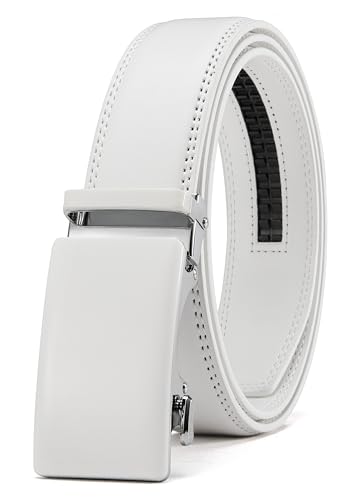
- Wide Leather Golf Belt (1.5 inches wide, solid color—White is classic 90s)
- Simple Belt Buckle (avoid overly ornate modern buckles)
- Structured Visor or Deep-Crowned Baseball Cap (optional)
Styling Tips:
- Define the Waist: Since shirts are tucked in, the belt becomes a defining feature. A wide belt, especially a white one, creates a high-contrast separation between your top and bottom half.
- Avoid Braided Belts: Stick to solid, clean leather or synthetic belts. The braided, slim belt is a pre-90s look; the wide belt with a chunky belt buckle is crucial for the decade.
- Headwear Options: The 90s favored the high-profile visor with a long bill or a structured, often logo-heavy baseball cap. The classic bucket hat also saw a resurgence late in the decade.
- Match Your Line: For a cohesive look, match your belt color to the trim of your shoe or a secondary color in your patterned shirt.
Pro-Tip: For the full Michael Jordan aesthetic, opt for a long bill visor. Its exaggerated length provides the perfect amount of 90s maximalism and attitude.
6. Layering Up: Integrating the 90s Knit Vest

For cooler days, the knit golf vest was the go-to layering piece. Often featuring bold patterns, the oversized golf vest adds another dimension of texture and color to the look.
Outfit Pieces Needed:
- Patterned Knit V-Neck Vest (geometric, striped, or abstract designs)
- Solid Color Mock Neck or Polo (to wear underneath)
- Standard Pleated Trousers (Khaki or Black)
Styling Steps:
- Maximize the Pattern: The patterned V-neck vest is your statement piece. The shirt underneath should always be a solid, neutral color (black, white, or cream) to ground the look and prevent clashing.
- Allow for Drape: 90s vests were not fitted. Look for a style that hangs loosely over the shirt, maintaining the overall voluminous silhouette of the vintage golf outerwear.
- Check the Length: The vest should end right around your belt line. If it’s too long or short, the proportions will look off when paired with high-waisted pleated pants.
- Fabric Check: Many vintage vests are heavy wool/acrylic blends. For modern play, search for a light knit that offers the aesthetic without the heat retention.
Pro-Tip: Match the primary color of the vest’s pattern to your pants or belt color. This creates visual unity amidst the maximalist design.

7. Defining Authenticity: Applying Bold 90s Color Palettes

Pin this color palette guide!
The final step is mastering the vibrant color palette. The 90s embraced high-contrast jewel tones and neon accents, made possible by the sheen of new synthetic fabrics.
Color Palette & Focus:
- Primary Neutrals: White, Black, Cream, Navy (The Base)
- 90s Accents: Teal, Magenta, Royal Blue, Neon Yellow (The Pop)
- Texture Focus: Shiny Polyester Blends (The Sheen)
Styling Steps:
- The 70/30 Rule: Ensure about 70% of your outfit is composed of neutrals, like cream pleated trousers and white shoes. This creates a clean canvas.
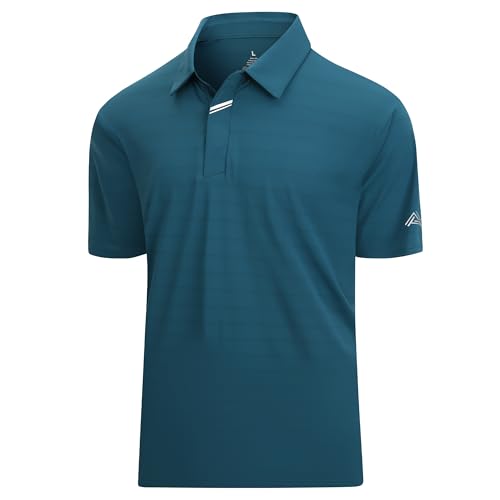
- Inject a Jewel Tone: Select one major piece—a polo or vest—in a vibrant color like teal, magenta, or royal blue. These were the definitive high-fashion colors of the era.
- Use Neon as an Accent: Incorporate neon yellow or lime green only in small details, such as the edge of a visor, the trim on a shoe, or a logo detail.
- The Synthetic Sheen: True 90s fabrics have a subtle, reflective sheen that enhances color vibrancy. This texture is a key detail that separates the look from modern matte performance fabrics.
Pro-Tip: Do not overlook the color combination of black and bright neon yellow. This pairing screams late-90s athletic wear and provides a powerful, authentic contrast.
The Modern 90s Revival: Sourcing Strategies and Dress Code Compliance
Bringing the 90s look to the course today comes with a few practical challenges. Here’s how to source your gear and ensure you’re always course-compliant.
Vintage vs. New Retro Brands: A Sourcing Comparison
Authenticity vs. Performance: To source the look, you must choose between hunting for genuine vintage apparel (eBay, specialized online resellers) and buying from modern golf lifestyle brands (e.g., Malbon, Random Golf Club) that reinterpret the 90s fit in technical, performance materials. Vintage offers unparalleled authenticity but requires tailoring; New Retro offers modern comfort and consistent sizing at a higher price point. Always consult a vintage sizing chart, as 90s American sizing often runs larger and longer than contemporary cuts.
Avoiding the ‘Sloppy’ Look: The 90s Fit Index
The key to avoiding sloppiness is intentional structure. The volume in 90s golf wear must be contained at the waist and ankle. Use this simple index: 1. Chest: A boxy fit is required, but armholes should not drop below the mid-bicep. 2. Waist: Pants must be high-waisted and fit perfectly. 3. Break: Trousers must be tailored to have zero or slight break over the shoe. 4. Material: Clothes should be crisp, not faded, pilled, or excessively wrinkled. Achieve a score of 4/4 to maintain the intentional, clean 90s structure.
Course Compliance: Is the Mock Neck Still Acceptable?
Yes, the mock neck is widely accepted today. Thanks to its iconic status and decades of use by professional athletes, most public and resort courses view the standing collar of a mock neck as meeting the “collared shirt” requirement. However, if playing at a highly traditional private club, it’s always wise to check their specific dress code online for explicit mentions of mock neck prohibition or the requirement of a full fold-over collar.
Key Takeaways: Your Quick Guide to the 2026 90s Fit
- The Formula: Boxy Shirt + Pleated Volume Trousers + Chunky Shoes.
- The Fit Rule: Tailoring the length of the trousers is non-negotiable for a clean, modern look.
- The Icon: The Mock Neck is the single most defining garment—wear it tucked and high contrast (Red/Black).
- The Sourcing Choice: Vintage for authenticity (requires effort), New Retro brands for comfort/performance (higher cost).
- The Color Palette: Use bold jewel tones (teal, magenta) or neons, but balance them with 70% neutrals.
FAQs About 90s golf aesthetic
Where can I find genuine 90s-era golf polos and clothing?
The best sources for genuine 90s golf apparel are online vintage marketplaces like eBay and Etsy. Searching requires specific terminology like “Nike Silver Tag,” “90s Izod golf,” “vintage pleated khakis,” or “polyester blend polo.” Always prioritize buying based on exact chest and waist measurements rather than labeled size, as vintage sizing is inconsistent.
Why did golfers start wearing mock neck shirts in the 1990s?
Golfers, primarily Tiger Woods, adopted the mock neck shirt as a statement of athletic modernity and comfort. It provided a cleaner, more streamlined silhouette than the traditional polo while technically fulfilling the “collared shirt” rule with its short, standing neck band. It quickly became associated with the youth takeover of the sport.
How do the synthetic fabrics of 90s golf clothes compare to today’s performance wear?
90s synthetic fabrics (heavy polyester blends) offered superior wrinkle resistance and durability but lacked the advanced four-way stretch and moisture-wicking technology of modern performance wear. While authentic, vintage items can be hot and restrictive compared to current technical fabrics, which is why many modern retro brands use updated performance synthetics in 90s silhouettes.
Final Thoughts
The 90s golf aesthetic is more than nostalgia; it’s a deliberate choice to prioritize comfort, volume, and bold self-expression on the course. By adhering to the crucial fit rules—especially the tailoring of your pleated trousers and the clean line of the tucked mock neck—you can achieve a style that is both historically authentic and perfectly course-compliant in 2026. This look offers a unique, confident alternative to the modern slim-fit uniform, proving that “baggy” can indeed be sophisticated and stylish.
What is your favorite iconic 90s golf look: the Tiger Woods Mock Neck or the Michael Jordan Statement Trouser? Tell us in the comments
Last update on 2026-08-25 / Affiliate links / Images from Amazon Product Advertising API
