

As an Amazon Associate GolferHive.com earns from qualifying purchases.
2026 4th of July Golf Cart Parade Route Planning: 7 Steps
Are you overwhelmed by organizing a massive neighborhood holiday event? Coordinating a fleet of low-speed vehicles often creates severe safety hazards. Avoid chaotic traffic congestion during your 4th of july golf cart parade route planning.
4th of July golf cart parade route planning requires mapping a continuous, low-speed circuit through residential streets, securing municipal permits, and establishing a structured staging parking lot. The safest routes maintain a maximum speed of 5-10 mph and avoid major public intersections to ensure a family-friendly event.
Drawing from comprehensive analysis of municipal guidelines and logistical expertise, this blueprint prevents common event failures. A properly organized golf cart parade promotes safety while keeping the community engaged. Discover the exact seven steps you need to execute a flawless celebration.
Contents
show
How To Master 4th of July Golf Cart Parade Route Planning (And Prevent Traffic Congestion)
Organizing a community celebration with dozens of decorated carts requires far more than just hanging flags and streamers. To successfully execute an independence day golf cart procession, event coordinators must prioritize strict safety protocols and logistical expertise. Without a strategic residential parade layout, your Homeowners Association (HOA) could face severe traffic congestion, depleted batteries, and serious safety hazards. This guide provides a comprehensive blueprint to seamlessly map, organize, and execute a neighborhood event.
By anticipating common bottlenecks and adhering to local municipal permits, you can transform a chaotic gathering into a highly structured, memorable family-friendly event. We will walk you through the essential steps to secure your local police department escort, manage spectator viewing areas, and distribute your route map PDF. Moving from a rough idea to a fully functioning motorcade takes precise coordination, but following this established framework guarantees a safe environment for both drivers and pedestrians.
2026 4th of July Golf Cart Parade Route Planning: 7 Steps
Implementing a step by step guide to planning a golf cart parade requires a sequential, foolproof blueprint. To establish an official parade route, coordinators must bridge the gap between casual neighborhood fun and professional event management. We will explore advanced operational planning skills, addressing everything from battery endurance planning to turn radii and pace car coordination. Each phase demands specific logistical actions to drive momentum, ensuring you secure the right permits and designate the optimal staging parking lot.
Whether you are navigating a marina harbor or utilizing a local community center for your start and finish line, following these exact steps guarantees a legally compliant, beautiful judged cart competition. You must account for standard low-speed vehicle (LSV) constraints while maximizing community engagement. Let’s break down the exact seven phases required to execute your holiday golf cart parade management seamlessly.
1. Mapping a Circular, Low-Speed Parade Route

Pin this route-mapping inspiration to your HOA Event Planning board!
How to design a parade route for residential areas involves mapping a continuous, circular path that minimizes steep inclines and sharp turns. A well-planned loop route prevents severe battery drainage and eliminates navigation errors by bringing participants right back to the start and finish line.
Tools & Resources Needed
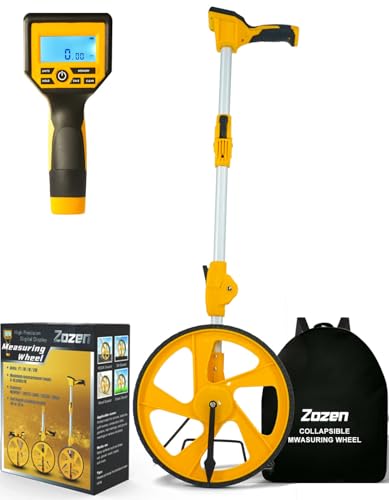
- Digital Measuring Wheel: A heavy-duty surveyor wheel to physically walk and measure the exact paved parade path mileage.
- Route Mapping Software: Apps like MapMyRide or Google Maps to plot the scenic coastal route.
- HOA Community Map: A high-resolution blueprint of your neighborhood for marking spectator viewing areas.
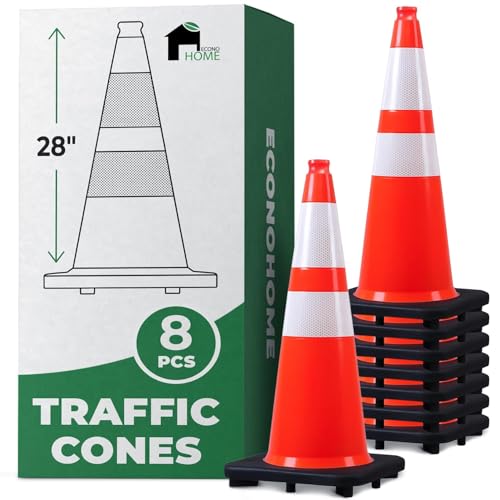
- Traffic Cones: Brightly colored markers for designating sharp corners and the start and finish line.
Action Plan & Workflow
- Survey the terrain: Drive the proposed route in a standard golf cart to check for steep inclines or aggressive speed bumps that could cause equipment failure.
- Calculate total distance: Keep the official parade route between 1.5 to 3 miles to prevent electric cart battery drainage.
- Choose the layout format: Opt for a circular parade route (loop) rather than a linear point-A-to-point-B route, so participants end up exactly where they parked their trailers.
- Identify pinch points: Mark all narrow neighborhood gates, roundabouts, or cul-de-sacs that might cause bottlenecks.
- Finalize the path: Highlight the finalized route digitally to prepare for the permitting phase.
Pro-Tip: Pay strict attention to turn radius logistics. A standard golf cart needs at least a 10-foot turning radius, but carts pulling small floats or trailers require a minimum of 20 feet to safely navigate 90-degree neighborhood corners without hopping curbs.
2. Securing Municipal Permits and Police Escorts

Save this permit checklist to your community organizing board!
Securing local government requirements for cart parades requires differentiating between private vs public parade permits based on road ownership. Filing applications 60-90 days in advance prevents permit denials and ensures you have time to acquire proper liability waivers.
Tools & Resources Needed
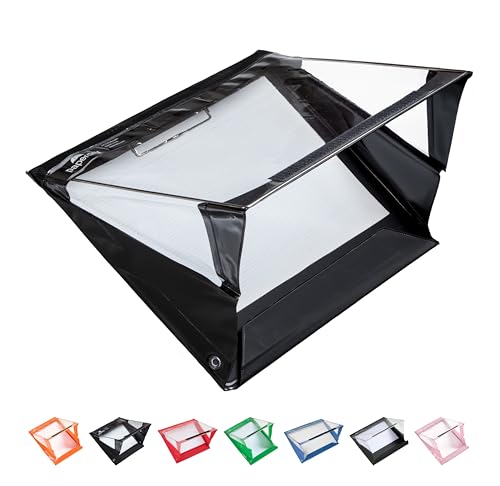
- Permit Application Folder: A weatherproof organizational clipboard to hold municipal applications.
- Event Insurance Policy: Proof of special event liability coverage (usually required by the City Recreation Board).
- HOA Liability Waivers: Standardized forms that all cart drivers must sign before participating.
- Route Blueprint: The mapped route from Step 1 to present to the Local Police Department.
Action Plan & Workflow
- Determine road ownership: Identify whether your route uses private HOA streets or public municipal roads, as this dictates the private vs public parade permits required.
- Submit applications early: File your special event permit with the city at least 60-90 days prior to the 4th of July to avoid permit denials.
- Request a police escort: Coordinate with local law enforcement to secure an officer to block major intersections where the route crosses a bridge or public highway.
- Draft driver waivers: Have a legal professional draft liability waivers that outline rules against reckless driving or driving under the influence.
- Secure event insurance: Purchase a one-day special event insurance rider to protect the Homeowners Association (HOA) from localized liability claims.
Pro-Tip: Familiarize yourself completely with local low speed vehicle (LSV) statutes. Many municipalities strictly classify standard golf carts differently than street-legal LSVs, which heavily impacts what roads your official parade route is legally allowed to traverse.
3. Organizing the Staging Parking Lot and Lineup Area

Pin this staging area setup to remember for parade day!
Coordinating a golf cart parade at a marina or community center demands a structured lineup to manage high vehicle density. Designating a massive footprint with precise event staging time prevents pre-parade chaos and ensures clear emergency vehicle clearance.
Tools & Resources Needed
- Traffic Cones: High-visibility 18-inch orange cones to create driving lanes.
- Chalk or Field Paint: To mark individual parking bays for the structured lineup.
- Check-in Tent: A 10×10 pop-up canopy for cart registration and checking waivers.
- PA System: A portable bullhorn or speaker for making announcements over the engine noise.
Action Plan & Workflow
- Select a massive footprint: Choose a large, open area like a Marina Harbor, high school parking lot, or Community Centers grounds as your hub.
- Paint the grid: Mark diagonal parking slots measuring at least 6×10 feet per cart to allow room for vibrant decorations to hang without tangling.
- Establish an entrance/exit: Create a one-way flow of traffic into the staging area to prevent front-end collisions and traffic congestion.
- Group by category: If you are hosting a judged cart competition, group carts by their categories (e.g., Best Classic, Most Patriotic) for easier judging.
- Manage the timeline: Mandate an event staging time at least 60 minutes prior to rollout so judges have time to evaluate and drivers can mingle safely.
Pro-Tip: Implement strict staging density calculations. Allow exactly 120 square feet per standard golf cart in your staging grid. More importantly, you must leave a continuous 15-foot wide fire lane down the center of your staging area to guarantee immediate emergency vehicle clearance.
4. Setting Up Safe Spectator Viewing Zones

Keep your spectators safe with these crowd management tips!
Managing crowds during a holiday golf cart procession requires setting up a defined spectator corridor at least three feet from the street. Establishing these physical boundaries prevents safety hazards and ensures excellent crowd control throughout the event.
Tools & Resources Needed
- Barricade Tape/Pennants: Colorful, non-adhesive boundary flags to visually mark the spectator corridor.
- Portable Trash/Recycling Bins: To manage waste management logistics in high-density areas.
- First Aid Kit: A fully stocked trauma kit stationed at the main viewing hub.
- Signage: Clear directional indicators for restrooms and parking.
Action Plan & Workflow
- Identify prime viewing spots: Choose wide sidewalks, Town Square greens, or community parks where the Residents + Spectators naturally gather.
- Establish a buffer zone: Place barricade tape or rope at least 3 feet back from the street curb to prevent excited children from stepping into the march route.
- Set up accessibility zones: Designate flat, paved areas specifically for wheelchairs, elderly residents, and strollers near the front of the viewing area.
- Communicate candy rules: Explicitly tell drivers they must toss candy completely over the buffer zone into the grass, never dropping it on the street where kids might run under cart wheels.
- Monitor noise levels: If carts are playing patriotic music playlists, ensure speakers are pointed appropriately and not violating community noise ordinances.
Pro-Tip: When planning spectator viewing areas, always prioritize ADA accessibility for spectators. Ensure curb cutouts are left completely unobstructed by trash cans or seating, allowing smooth access for wheelchairs and mobility scooters throughout the event.

5. Establishing Safety Rules and Pace Car Coordination

Pace cars are the secret to preventing parade traffic jams!
Best practices for managing low speed vehicle events center on appointing a Grand Marshal to enforce safety rules and regulations. Flawless pace car coordination dictates the speed and flow of the parade, preventing dangerous gaps and rear-end collisions.
Tools & Resources Needed
- Pace Car Beacon: A battery-operated, magnetic amber flashing light for the roof of the lead cart.
- Safety Handouts: Printed index cards with the top 3 safety rules handed to every driver at check-in.
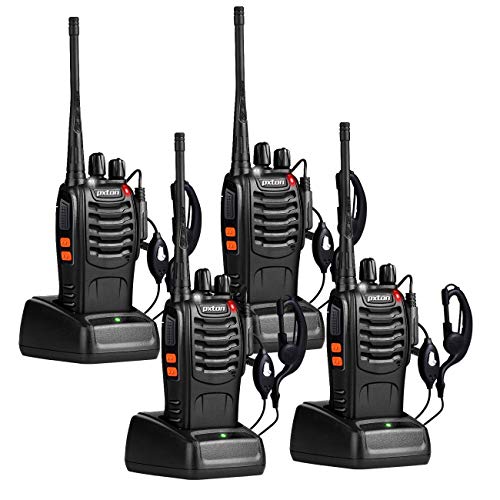
- Two-Way Radios: For communication between the lead pace car and the tail vehicle (the “sweeper”).
- Fire Extinguisher: A compact automotive fire extinguisher mounted in the lead and sweep vehicles.
Action Plan & Workflow
- Appoint a Grand Marshal/Pace Driver: Select an experienced, trusted driver to lead the vehicle rally. This person controls the entire speed of the event.
- Establish the speed limit: The pace car must maintain a strict, unwavering speed of 4 to 5 MPH. Any faster, and carts in the back will have to speed dangerously to catch up.
- Ban hazardous modifications: Strictly prohibit drivers from using open flames (like BBQ grills on trailers), fireworks, or overly heavy standard vs oversized cart rules that compromise braking distances.
- Deploy the sweep vehicle: Place a designated safety cart at the very end of the line. Their job is to radio the pace car if a participant breaks down or if gaps become too large.
- Brief the drivers: Before rolling out, use your PA system to announce the mandatory safety rules and regulations, including maintaining a 2-cart-length distance at all times.
Pro-Tip: Flawless pace car coordination requires constant communication. The lead driver and the sweep driver must perform a radio check before departure. If the sweep driver notices the “accordion effect” (carts stopping and sprinting to catch up), the pace car must temporarily halt to let the procession compress and stabilize.
6. Recruiting and Briefing Parade Marshals

Great volunteers make the whole parade run smoothly!
How to recruit volunteers for parade marshals involves contacting local civic groups to manage critical traffic control intersections. Empowering your Volunteers + Staff with strict radio protocols ensures smooth communication and protects the procession from outside vehicular traffic.
Tools & Resources Needed
- High-Visibility Apparel: Matching neon vests or t-shirts so marshals are instantly recognizable by both drivers and police.
- Two-Way Radios: Earpiece-equipped walkie-talkies for hands-free communication across the march route.
- Traffic Wands: Light-up LED wands for directing carts, especially crucial if you are planning a twilight or nighttime parade.
- Whistles: Standard referee whistles to get immediate attention in loud, crowded spectator viewing areas.
Action Plan & Workflow
- Recruit strategically: Reach out to the local high school ROTC, neighborhood watch members, or the City Recreation Board to combat a lack of volunteers.
- Assign intersection posts: Place at least two Parade Marshals at every major intersection where the parade crosses a cross-street to physically block incoming residential traffic.
- Train on radio etiquette: Instruct all staff to keep radio chatter strictly business-related, using clear terms to report gaps or hazards.
- Establish emergency protocol: Give volunteers explicit instructions on how to react if an ambulance or fire truck needs to cross the parade route (immediately pull all carts to the right).
- Equip for the weather: Provide your Volunteers + Staff with bottled water and sunscreen to prevent heat exhaustion during the hot July afternoon.
Pro-Tip: Establish strict volunteer radio protocols before the event begins. Use a “Channel 1 for Logistics, Channel 2 for Emergencies” system. Teach marshals to use the “Hey You, It’s Me” format (e.g., “Pace Car, this is Intersection 3…”) to avoid confusion over the airwaves.
7. Drafting and Distributing the Route Map PDF

A beautifully designed map ensures no one gets lost on the route!
Drafting a printable 4th of july golf cart parade route map requires marking the physical path, staging areas, and event itinerary. Distributing this parade flyer template extensively guarantees that all participants understand the logistical expectations and contingency planning.
Tools & Resources Needed
- Graphic Design Software: User-friendly platforms like Canva to design the parade flyer template.
- Digital Map Embed: Google My Maps for creating an interactive, zoomable digital version of the route.
- Weatherproof Holders: Acrylic outdoor brochure boxes for distributing physical copies at the community clubhouse.
- QR Code Generator: To link physical flyers directly to your printable 4th of july golf cart parade route map.
Action Plan & Workflow
- Design the visual path: Use high-contrast colors (red and blue on a white background) to trace the exact path on your community map graphic.
- Mark critical waypoints: Clearly iconify the staging area, judging stand, public restrooms, and prime spectator viewing areas.
- Include the timeline: List the exact staging time, rollout time, and post-parade awards ceremony schedule directly on the map.
- Add safety reminders: Dedicate a small corner of the PDF to the top three safety rules (e.g., “5 MPH Max,” “No Throwing Candy in Streets”).
- Distribute aggressively: Email the route map PDF to the HOA listserv, post it on the community Facebook page, and physically leave copies in clubhouse flyer boxes two weeks in advance.
Pro-Tip: Always include contingency planning details directly on your route map PDF. Clearly list a “Rain Date” and a designated SMS text-alert number so participants know exactly where to check if severe summer thunderstorms threaten to delay the rollout.

Key Takeaways: Your Quick Guide to 4th of July Golf Cart Parade Route Planning
Mastering 4th of july golf cart parade route planning overview involves balancing creativity with meticulous logistical execution. To ensure a seamless Independence Day golf cart procession, event coordinators must follow stringent official guidelines. From understanding municipal legalities to ensuring ADA compliance, your event itinerary needs solid structural support. Review these critical insights before finalizing your planning a community golf cart parade timeline.
- Map for Battery Life and Turning Radii: Keep your Independence Day golf cart procession under 3 miles to prevent battery drainage, and ensure all corners accommodate a 20-foot turn radius for carts pulling trailers.
- Secure Municipal Permits Early: Differentiate between private HOA roads and public streets to determine your municipal permits, submitting applications 60-90 days in advance.
- Execute Strategic Staging Area Density: Utilize a large space like a marina or community center, allocating 120 square feet per cart while maintaining strict emergency vehicle clearance lanes.
- Establish Safe Spectator Corridors: Protect viewers by setting up physical barricade tape 3 feet from the curb, ensuring clear ADA accessibility for spectators throughout the viewing zones.
- Control Speed with a Pace Car: Appoint a Grand Marshal to lead the parade at a strict 4-5 MPH, preventing the dangerous accordion effect and keeping the procession tight.
- Equip and Train Parade Marshals: Combat a lack of volunteers by recruiting early, and train them on strict radio protocols and intersection management to prevent traffic congestion.
People Also Ask About 4th of July Golf Cart Parade Route Planning
Addressing 4th of july golf cart parade questions helps coordinators avoid major logistical pitfalls and legal liabilities. From understanding proper pacing speeds to navigating local permits, common parade queries often revolve around keeping the event safe and compliant. Review these golf cart event FAQs to round out your operational expertise and ensure you’re prepared for any day-of challenges.
How do I plan a golf cart parade route?
To plan a golf cart parade route, you must map a 1.5 to 3-mile circular path through low-traffic residential streets, avoiding steep inclines and major public intersections.
Start by surveying the terrain in a golf cart to check for tight turns or hazards. Use digital mapping tools to plot the course, ensuring you connect a large staging area (like a community center) to safe, accessible spectator zones. Finally, finalize the blueprint to submit for your municipal permits.
What safety rules are needed for a golf cart parade?
Essential safety rules include a strict 5 MPH speed limit, mandatory distance of two cart-lengths between vehicles, and a total ban on tossing candy directly onto the street.
Additionally, all drivers should sign liability waivers acknowledging that reckless driving, open alcohol containers, or dangerously overloaded decorations are prohibited. Implementing a pace car and a sweep vehicle ensures these safety standards are maintained throughout the event.
Do I need a permit for a community golf cart parade?
Yes, you almost always need a special event permit if your parade route crosses or utilizes any public, city-owned roads.
If your route is entirely contained within private, gated HOA streets, municipal permits might not be required, but you will still need official approval from the HOA board and localized event insurance. Always verify local low speed vehicle (LSV) statutes with your police department before finalizing plans.
How do you organize a golf cart parade staging area?
Organize your staging area by choosing a massive footprint, like a school parking lot, and painting diagonal parking bays that allow 120 square feet per vehicle.
Create a one-way entrance and exit to prevent traffic congestion as carts arrive. Group the vehicles by judging categories as they check in, and always maintain a clear 15-foot fire lane down the center for emergency vehicle access.
How long should a golf cart parade route be?
The ideal golf cart parade route should be between 1.5 and 3 miles in total length, taking approximately 30 to 45 minutes to complete at a 5 MPH pace.
Routes longer than 3 miles risk severe battery drainage for older 36V or 48V electric carts, especially when carrying heavy loads of passengers and decorations in the July heat.
What is the best speed for a golf cart parade?
The optimal speed for a community golf cart parade is between 4 and 5 MPH, controlled strictly by a designated lead pace car.
This walking-pace speed allows spectators to safely view the vibrant decorations, prevents the procession from stretching out too far, and gives drivers ample time to react to children who might run toward the curb.
Can kids drive in a golf cart parade?
No, only licensed drivers aged 16 or older should operate vehicles in a golf cart parade to comply with safety standards and liability insurance policies.
While kids can absolutely ride as passengers and help with the patriotic decorations, allowing underage or unlicensed drivers behind the wheel during a dense, high-distraction community event is a severe safety hazard and violates most municipal laws.
How to manage traffic during a golf cart parade?
Manage traffic by securing local police escorts for major intersections and deploying trained volunteer Parade Marshals at every residential cross-street.
These marshals use high-visibility vests, whistles, and stop signs to physically block incoming neighborhood traffic until the entire motorcade has safely passed, preventing civilian vehicles from accidentally breaking the parade line.
How to handle golf cart battery life during a parade?
Prevent battery issues by strictly limiting the route to under 3 miles, avoiding steep hills, and reminding participants to fully charge their carts 24 hours prior.
You should also require participants to limit excess electrical drain by running custom stereos or heavy lighting off separate, auxiliary 12V batteries rather than pulling from the cart’s main drive battery.
Is a golf cart parade legal on public roads?
A golf cart parade is only legal on public roads if the municipality classifies the vehicles as street-legal LSVs, or if a specific special event permit and police escort are secured.
Standard golf carts are generally not street-legal on roads with speed limits over 25 MPH. You must work closely with local law enforcement to ensure your official parade route complies with all local traffic ordinances.
Final Thoughts on 4th of July Golf Cart Parade Route Planning
Executing flawless 4th of july golf cart parade route planning is the difference between a chaotic neighborhood traffic jam and a beloved, safe community celebration. While the creative energy will naturally flow into the patriotic decorations and vehicle themes, the true success of your annual golf cart parade organization relies entirely on the invisible logistics you establish behind the scenes.
By taking the time to map a battery-friendly route, secure the proper municipal permits, and establish a highly organized staging area, you protect your community from safety hazards and liability. Remember that the ultimate goal of holiday golf cart parade management isn’t just to put on a show—it’s to create a deeply inclusive, family-friendly event where spectators and participants alike feel safe and engaged.
Print out your route maps, brief your marshals, and get ready to lead a spectacular motorcade. What theme is your neighborhood choosing for the “Best Decorated Cart” this year? Drop your ideas in the comments below!
Last update on 2026-08-18 / Affiliate links / Images from Amazon Product Advertising API
